- The UN development chief says the Gulf must build new trade and energy routes to withstand future crises
- Abdallah Al-Dardari argues that a lack of investment-ready projects, not funding, is the region’s biggest obstacle
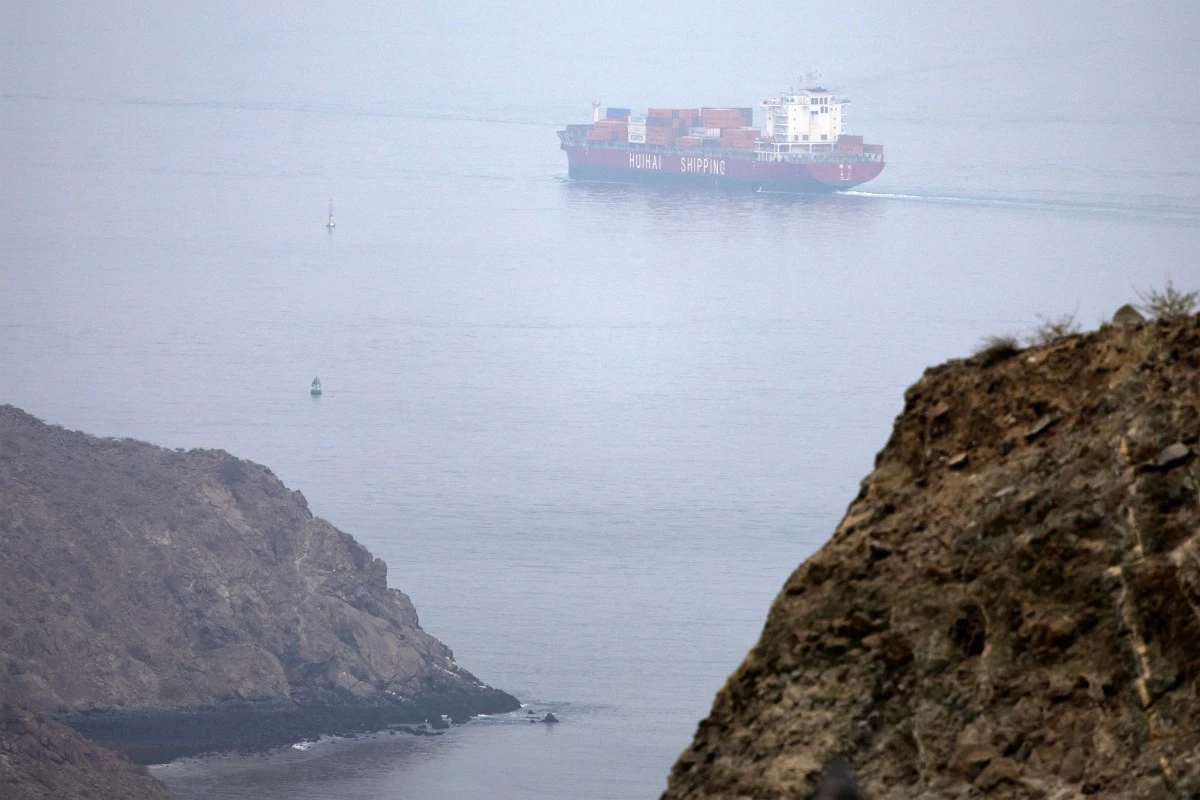
DUBAI: When Abdallah Al-Dardari travelled to Riyadh in April, the Gulf was caught in the middle of the US-Israeli war with Iran, which had shut down one of the world’s most important shipping lanes, the Strait of Hormuz.
Talks with the Gulf Cooperation Council during that visit produced an idea that is now taking shape as a joint initiative to establish new trade and energy routes across the region to bypass this vulnerable chokepoint.
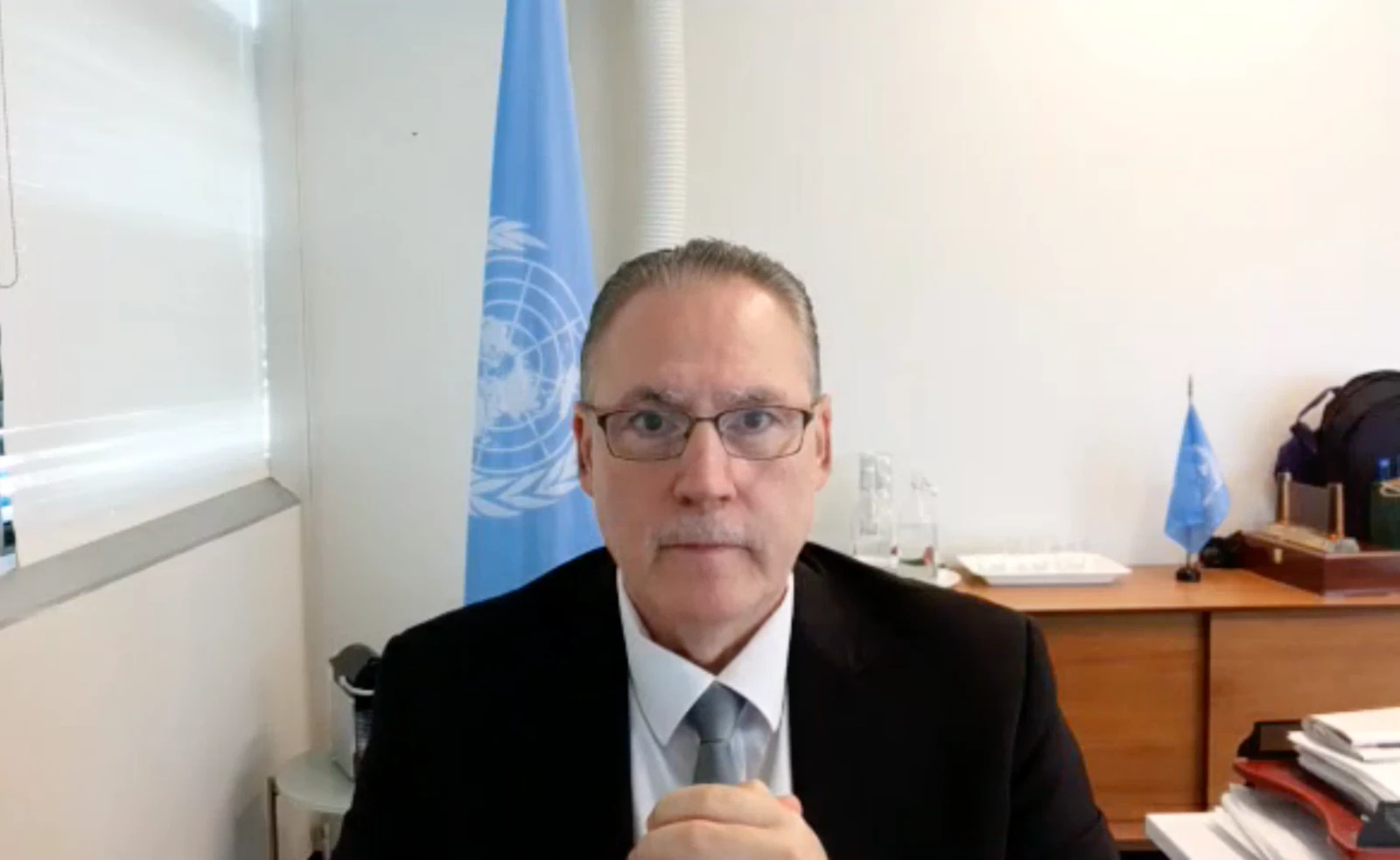
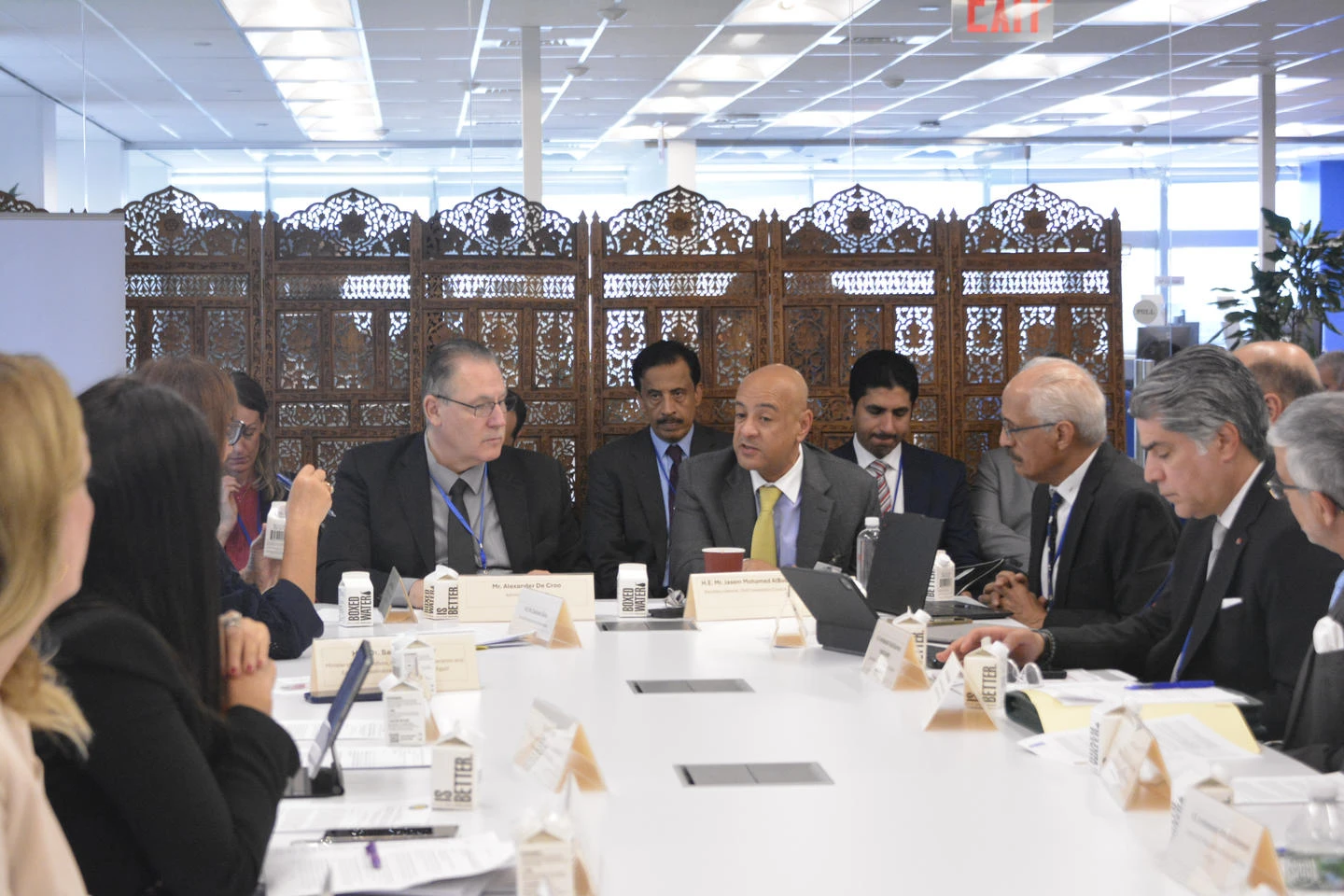
“The genesis of the idea came during a visit I had to Riyadh in April and had excellent discussions with the GCC,” Al-Dardari, UN assistant secretary-general and director of the UN Development Programme’s Regional Bureau for Arab States, told Arab News.
“At that time, missiles were still falling on Riyadh.”
Six months later, the Strait of Hormuz remains effectively closed to commercial shipping. IMF PortWatch data recorded just one transit through the strait on Sept. 27, compared with a pre-crisis average of 85 a day.
For Al-Dardari, the crisis has exposed a gap the region should have addressed decades ago.
“I’m actually surprised, why did we wait 47 years to think about alternatives to Hormuz?” he said.
The initiative is not intended to make the strait redundant.
“We want Hormuz to be open for trade and we want it to flow, but the region needs much more in connectivity and diversification,” Al-Dardari said.
“The closure of Hormuz is the incentive.”
The long-term benefits, in his view, lie in unlocking the region’s potential for diversification, trade, productivity, job creation and economic growth.
Saudi Arabia’s experience this year illustrates why a single alternative route is not enough.
The Kingdom’s East-West pipeline, which can transport about 7 million barrels of oil a day from its eastern oil fields to the Red Sea port of Yanbu, became a crucial outlet for Gulf crude after Hormuz closed, according to Bloomberg.
But even at full capacity, the pipeline could only partly compensate for the roughly 15 million barrels of crude that passed through the strait daily before the war.
In September, that lifeline was hit too. Drone attacks forced Saudi Arabia to shut down the pipeline on Sept. 13, halting crude loadings at Yanbu, before operations resumed at a reduced rate on Sept. 22, Reuters reported.
Al-Dardari did not address the pipeline directly, but his emphasis on developing multiple routes rather than relying on a single alternative reflects the same vulnerability.
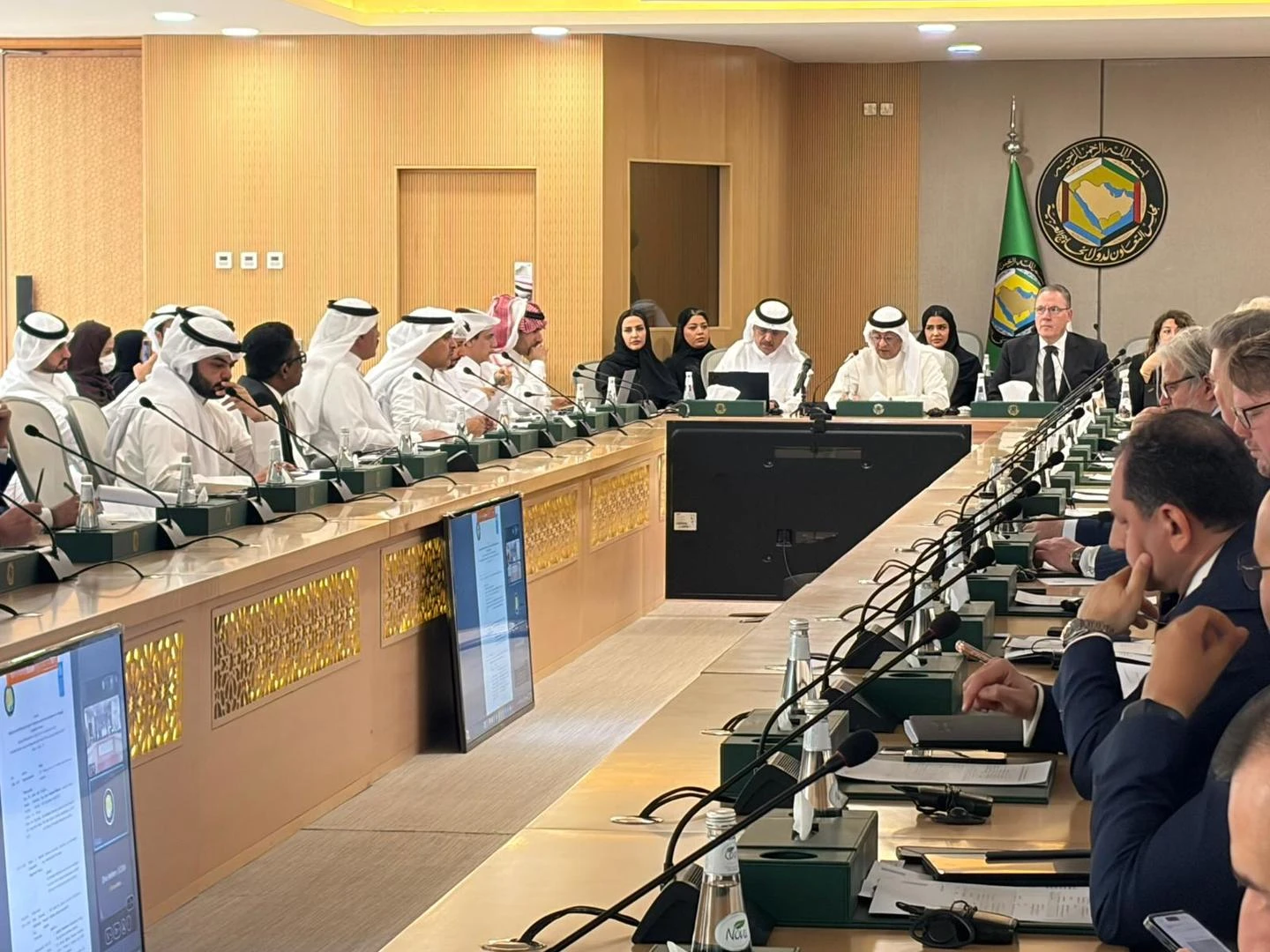
The initiative, formally known as the Regional Convergence Initiative for Energy, Trade and Connectivity, was presented at a high-level roundtable at the GCC secretariat general’s headquarters in Riyadh in late June, according to UNDP.
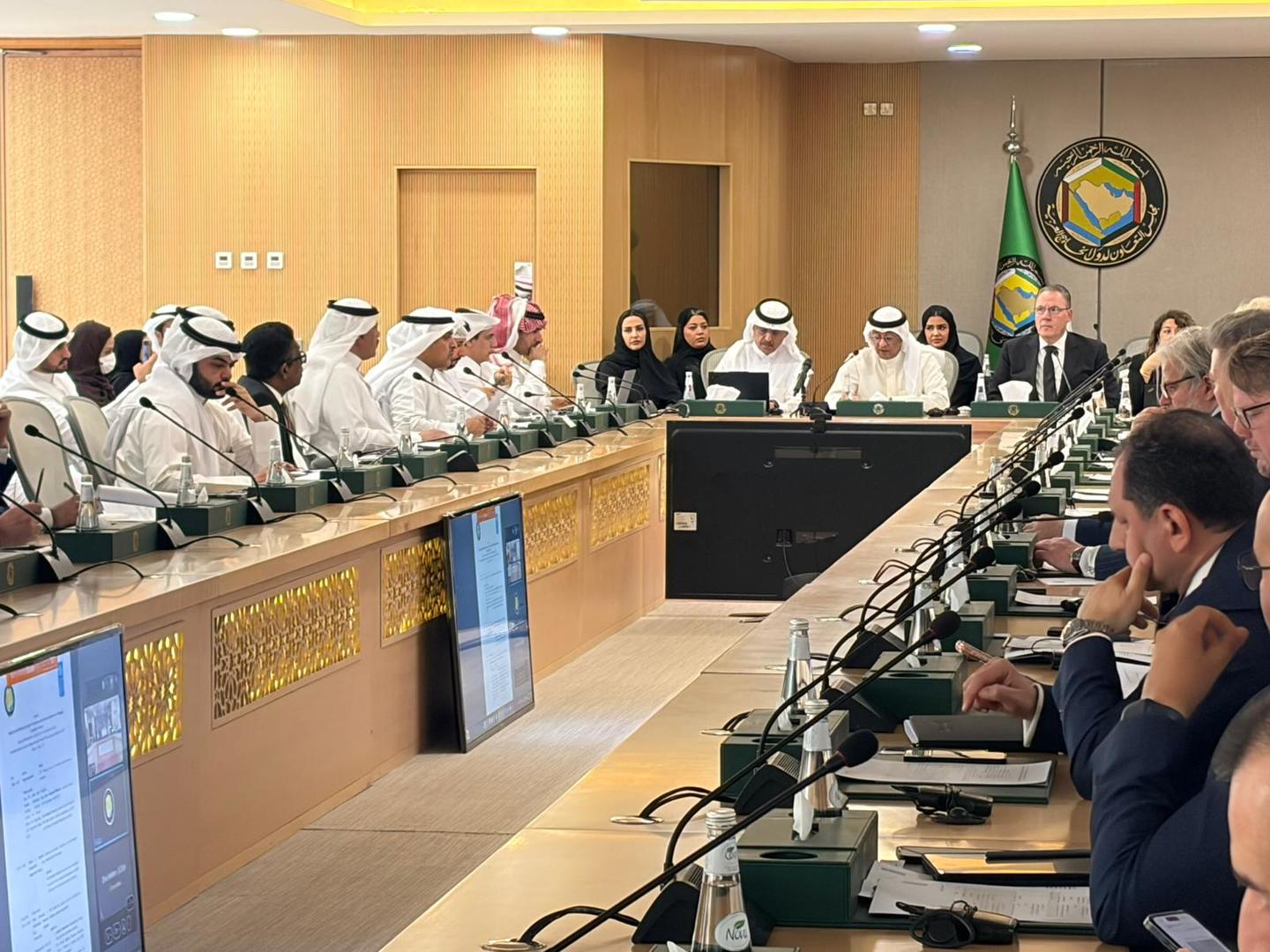
Its priority areas include regional electricity interconnection, multimodal transport, digital trade facilitation and resilient food supply systems.
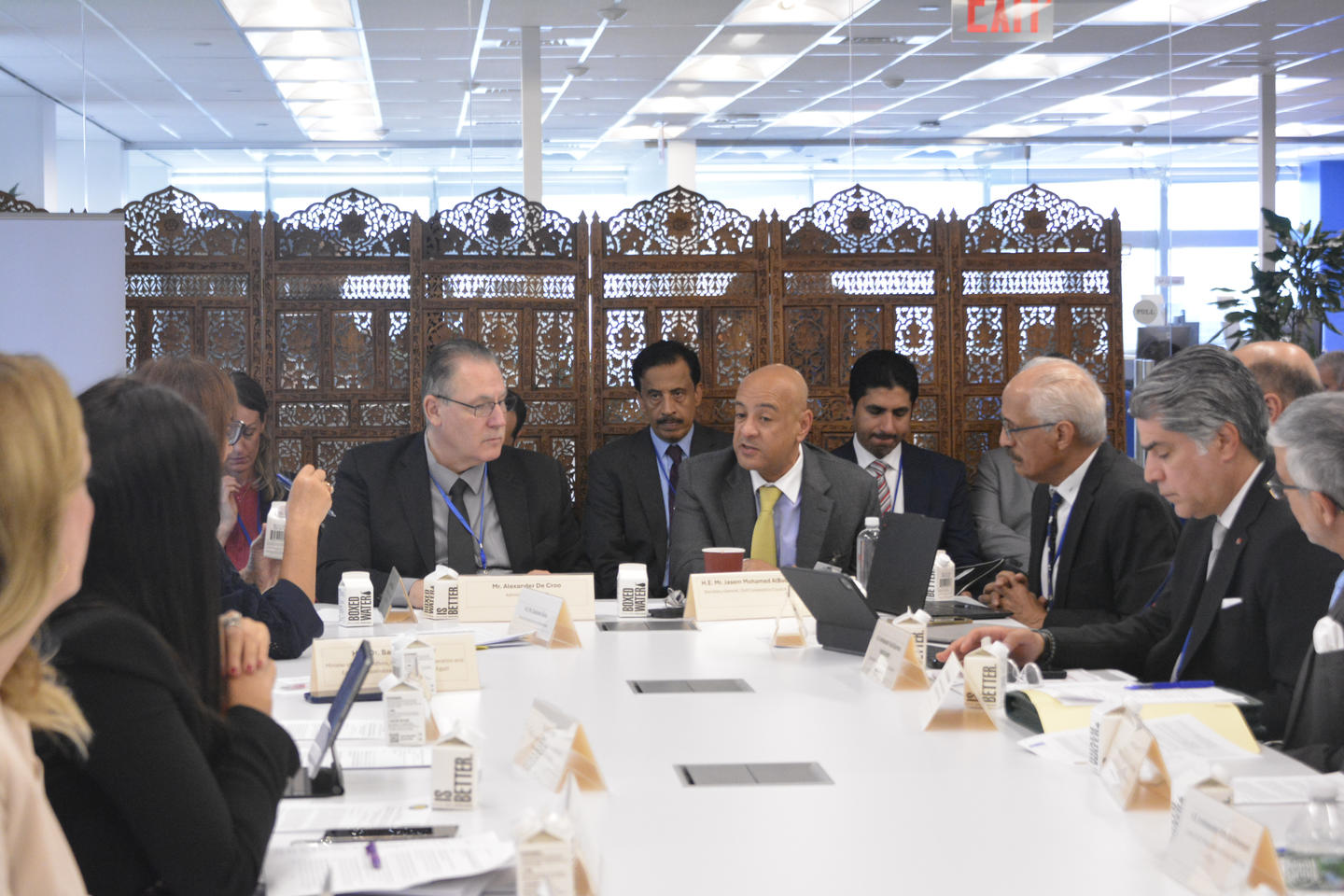
A high-level dialogue held on the sidelines of the UN General Assembly in New York in late September moved the initiative into its next phase.
Al-Dardari described it as a platform for sharing knowledge, training and capacity building, as well as identifying projects that investors could finance.
Technical meetings are planned between now and the end of the year.
From early next year, Al-Dardari said, UNDP will begin discussions with governments, the private sector, international financial institutions, regional sovereign wealth funds and regional development banks like the Saudi Fund for Development and Islamic Development Bank.
“We assess the bankability of projects, and then we present them to all of these stakeholders,” he said.
Asked which project would be prioritized, Al-Dardari declined to name one.
“If I tell you now … it means I’m not being scientific and I’m not being honest with our partners in the GCC,” he said.
He stressed that none of the projects would resolve the immediate crisis. “These projects take years to materialize,” he said.
Funding, Al-Dardari argued, is not the main obstacle.
“There’s still going to be money for good projects, for good investable and bankable projects,” he said. “The private sector is very interested. They want to invest, but it is actually the shortage of very good projects ready for investments.”
The greater challenge is developing the skills, institutions and regulatory frameworks needed to deliver cross-border projects.
Such ventures also face long-term financing requirements of 15 to 20 years, political instability and exchange-rate risks, as currencies across the region vary in stability.
According to UNDP estimates, cross-border transport accounts for almost 40 percent of trade costs in the region, compared with about 8 percent between US states and 16 percent in Europe.
Aligning regulations is one part of the solution. Permitted truck weights, for example, vary between countries, complicating cross-border transport.
“It may sound simple, but believe me, it’s a nightmare when you want to send a convoy of 100 trucks from one country to another,” he said.
The economic damage from the war has already been substantial. According to Al-Dardari, the region lost 40 percent of its crude oil production, which fell from 23.5 million barrels a day to 14 million in April.
Qatar, he added, lost 73 percent of its liquefied natural gas production in July.
Even if the war ended completely, he said, it would take at least two to three years for production and revenue to return to pre-crisis levels.
Meanwhile, some East Asian markets have been captured by American oil and gas companies, leaving regional producers with the challenge of developing strategies to win them back.
With no diplomatic solution in sight, UNDP is preparing for a range of possible outcomes, from the crisis ending within three to 12 months to a prolonged closure of Hormuz.
“We are planners, so we plan for different scenarios,” Al-Dardari said.
UNDP is also preparing a new estimate of the crisis’s economic cost to the Arab region. Its earlier assessment found that four weeks of conflict could reduce regional gross domestic product by about 7.1 percent, or roughly $194 billion.
Al-Dardari cautioned against simply multiplying that estimate by the number of months that have passed since the crisis began.
Before the crisis, the region’s economy grew by an average of 3 percent a year. To maintain its 3.8 percent share of the global economy, he said, it would need to grow by 7 percent annually.
That gap, more than the closure itself, is ultimately what the initiative is intended to address. The region needs new arteries of trade and energy, Al-Dardari said, “with the closure of Hormuz or without.”