- Egypt's falling gas output is manageable as long as new discoveries are made to replace lost production, according to former Minister Tarek El Molla.
- Egypt's gas import costs nearly tripled due to the war, escalating from $560 million to about $1.65 billion by March.
- The country is currently focusing on offshore drilling and exploration to significantly boost local gas production and reserves.
- Eni's April discovery of an estimated 2 trillion cubic feet of gas offshore Egypt highlights potential for restoring production levels.
- Egypt aims to have renewables constitute 42% of its energy mix by 2028, while emphasizing the need for upgrades to the electricity grid.
- Leveraging its strategic geography, Egypt is positioned as an energy hub for crude and LNG transport, maximizing throughput and revenue.
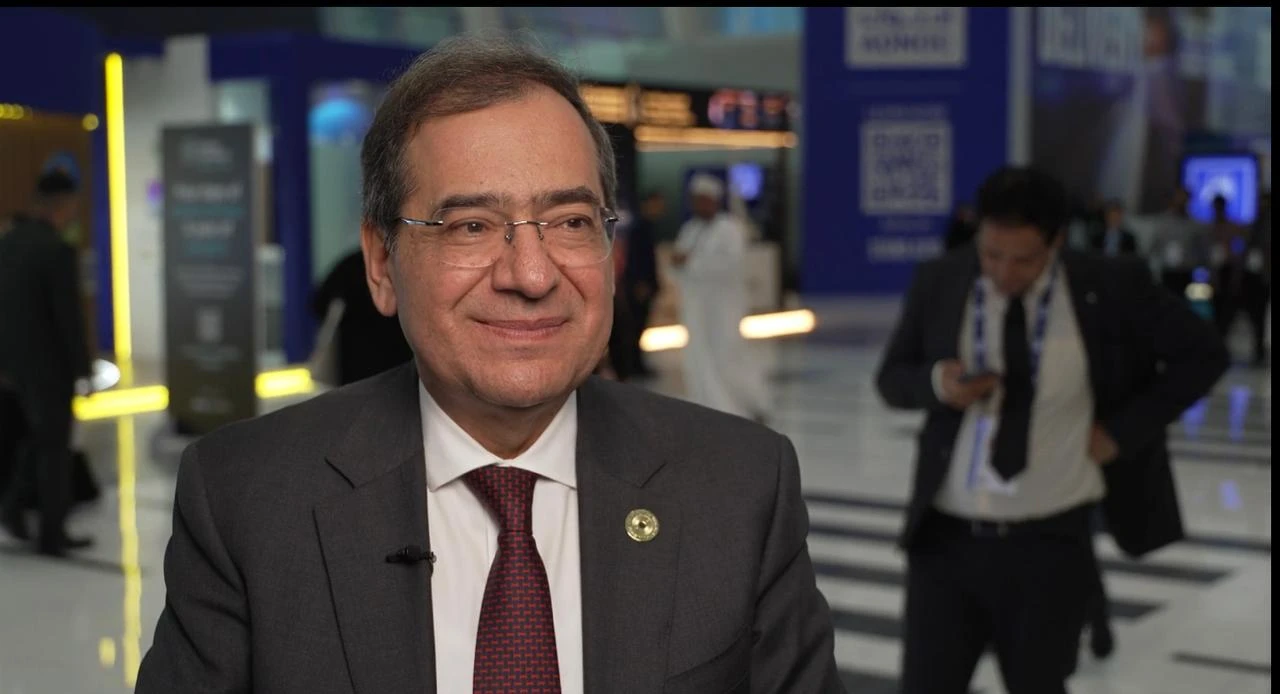
ABU DHABI: Egypt’s falling gas output is not the crisis markets make it out to be, according to Tarek El Molla, the country’s former minister of petroleum and mineral resources.
Every field declines, he argues. What matters is how fast Egypt can replace what it loses.
“The behavior of the reservoirs of any oil and gas field is natural decline,” El Molla told Arab News. “Unless you drill, continue drilling, find more discoveries and put them into production, you will always face this decline.”
The cost of that decline is rising. Reuters calculated in July that Egypt’s gas import bill nearly tripled after the war with Iran began, from about $560 million before the conflict to roughly $1.65 billion in March for the same volumes.
On Oct. 30, trading sources told Reuters that the Egyptian General Petroleum Corporation had secured six cargoes of high-sulfur fuel oil for November and December delivery, as the war squeezed global liquefied natural gas supply.
That reverses a shift El Molla described. Egypt moved to LNG, he said, because it replaced fuel oil with “a form of energy which is easier to handle and had competitive prices then.”
Drilling for a reset
His answer starts offshore. Egypt is now in a phase of offshore drilling and exploration, El Molla said, adding: “Hopefully we reach a position where we can have some significant finds whereby we can restore an acceptable level of local production.”
There are early signs. In April, Eni said it had found an estimated 2 trillion cubic feet of gas offshore Egypt, and that the discovery would support the country’s goal of boosting reserves and production, Reuters reported.
El Molla was careful not to promise a quick turnaround. Balancing local production “is not necessarily happening tomorrow,” he said. It remains a priority for the government, and it depends on international oil companies continuing to drill.
The grid, not the money
His second lever is renewables, as protection against the kind of LNG price swings now hitting Cairo. Egypt set a target years ago for renewables to make up 42 percent of its energy mix, he said. “We were a little bit slow, but now we are catching up.” He said the deadline is now being brought forward to 2028.
He does not see financing as the obstacle. “It is all about the schedule of installing these capacities,” he said. The bigger task is the electricity grid, which “needs modification and upgrading.”
A hub already at work
The third lever is geography. El Molla said Egypt already moves crude and refined products from the Red Sea to the Mediterranean for most Arab Gulf producers.
Saudi Arabia leads that list, he said, as a main shareholder in the SUMED pipeline company. He said Egypt can do the same with gas and LNG, using its Red Sea access and its LNG plants on the Mediterranean.
That route carries extra weight this year. An Iranian official told Reuters on Nov. 3 that Iran and the US remain far from a deal to end the war.
The official said Tehran’s conditions must be met if Washington wants the Strait of Hormuz reopened.
“We are an energy hub,” El Molla said, adding: “We have proven the concept.”
The task now, he said, is to raise throughput and maximize the revenue the hub earns.