- Her appointment as Morocco’s first woman prime minister follows decades of legal reform
- But her historic ascent comes as the government faces unemployment and economic pressure
LONDON: In May 1993, the French journalist Anne Sinclair sat opposite King Hassan II on the television program “7 sur 7” and asked whether Morocco would one day have a female prime minister.
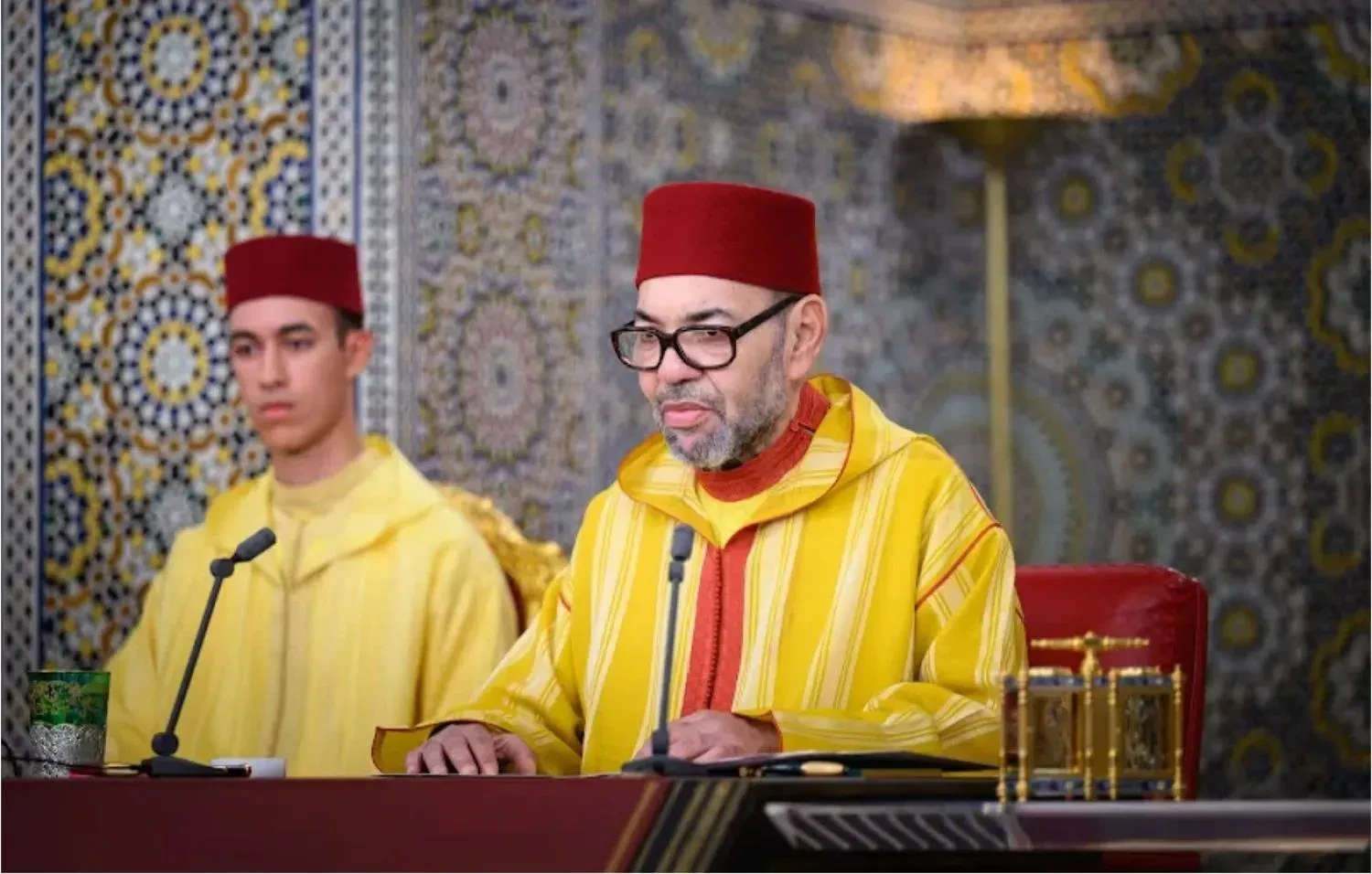
The King answered with characteristic pragmatism. Nothing in the constitution or in Islamic jurisprudence stood in the way of it, he said, adding that “nothing can prevent a woman from being a prime minister in Morocco.”
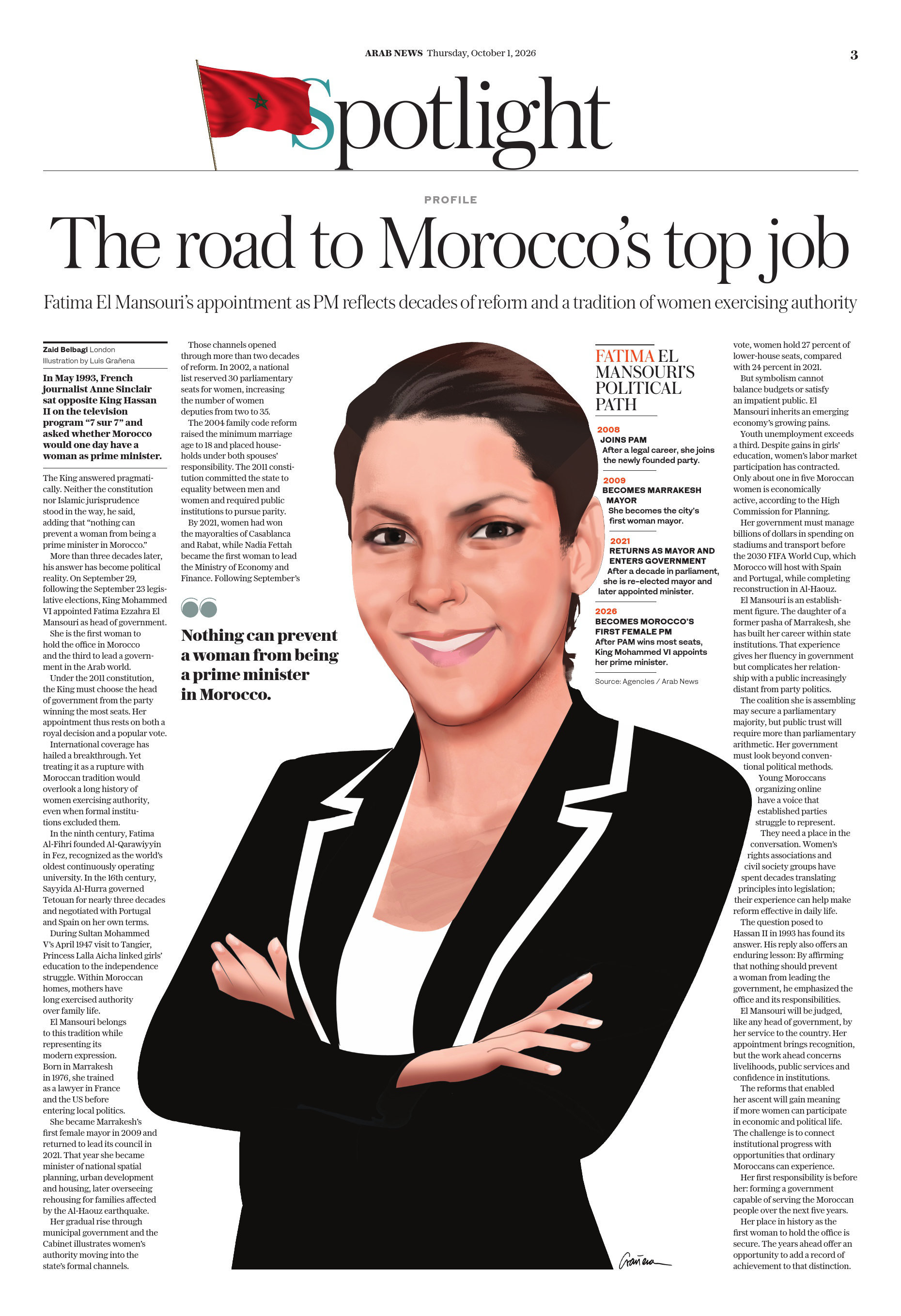
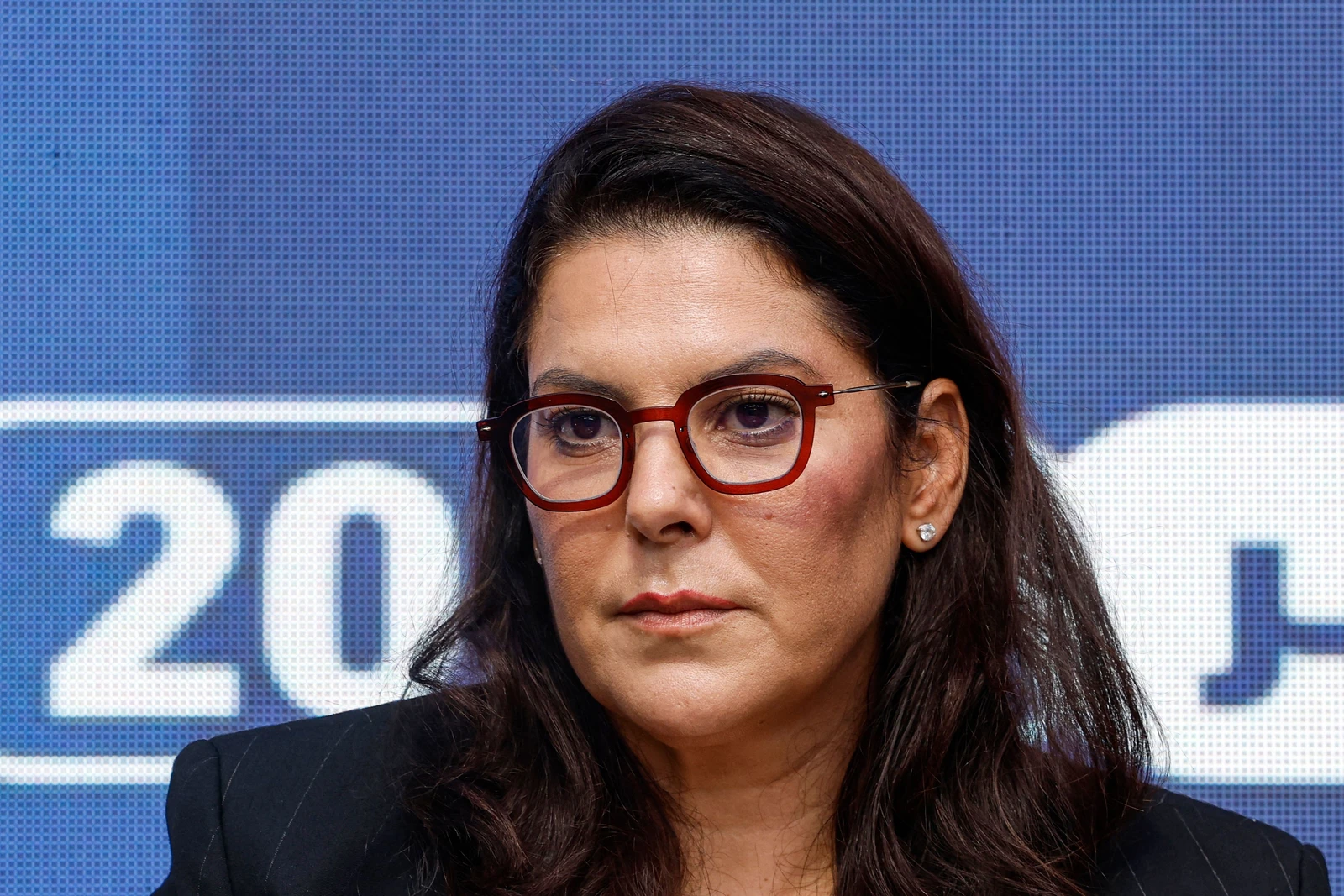
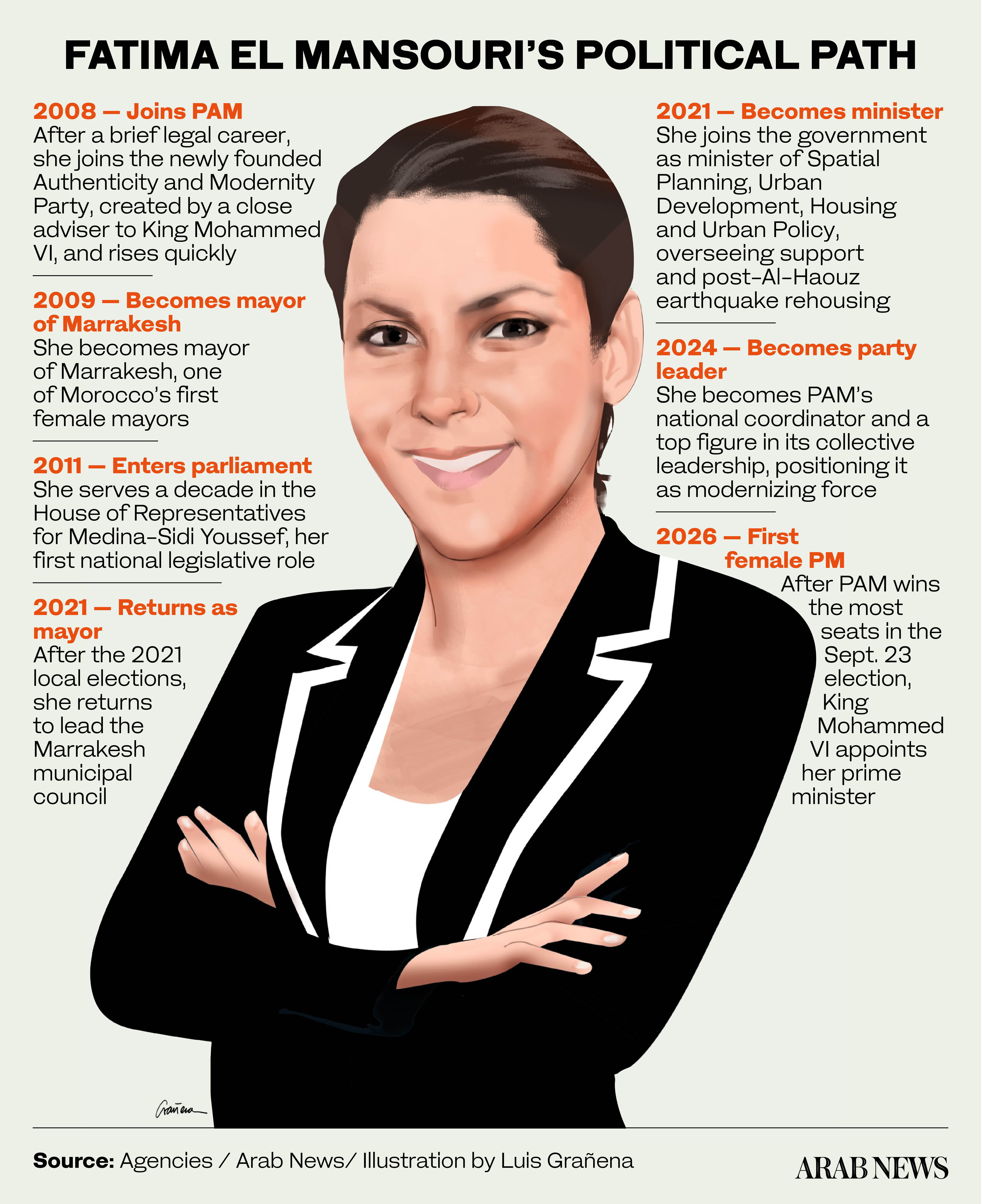
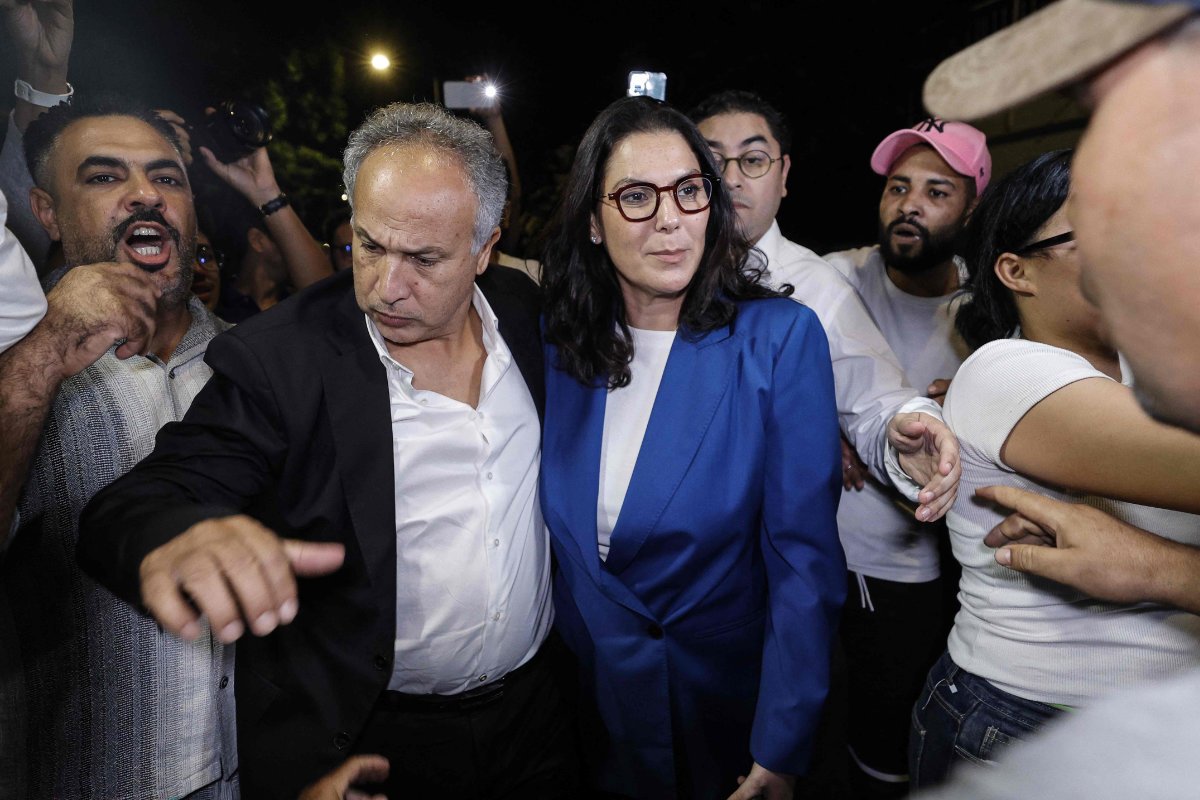
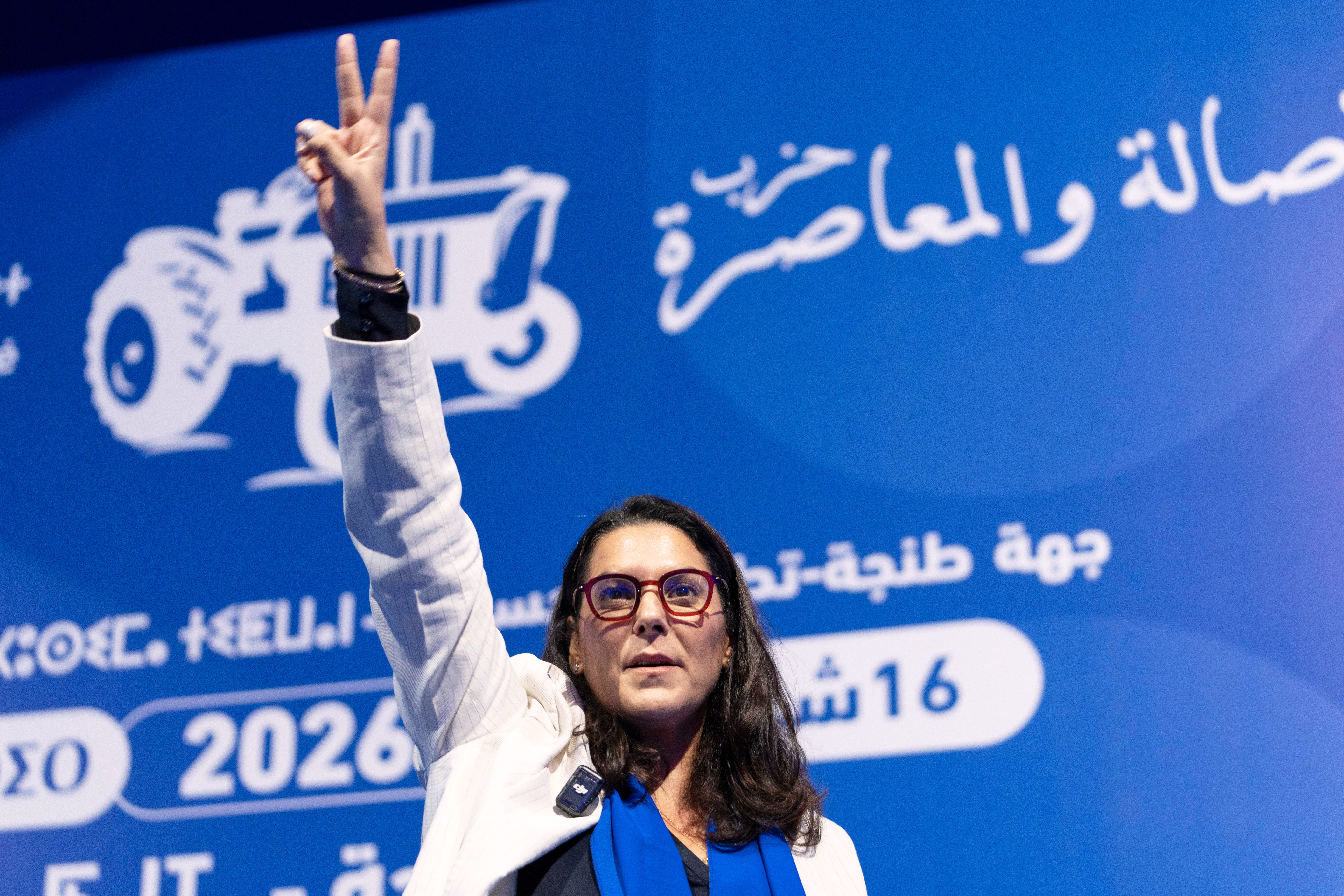
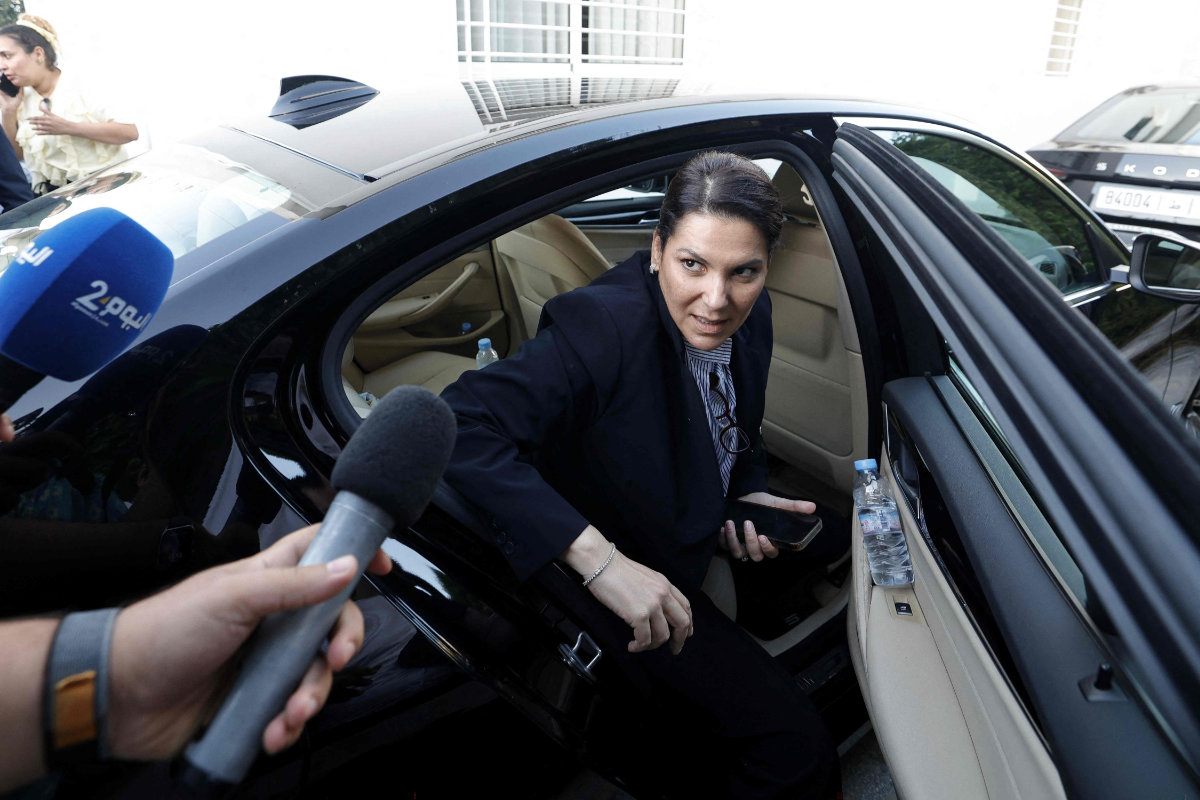
More than three decades later, the late King’s acknowledgment of the possibility has become a political reality in Morocco. On Sept. 29, following legislative elections on Sept. 23, King Mohammed appointed Fatima Ezzahra El-Mansouri as head of government.
She is the first woman to hold the office in Morocco, and the third to lead a government in the Arab world.
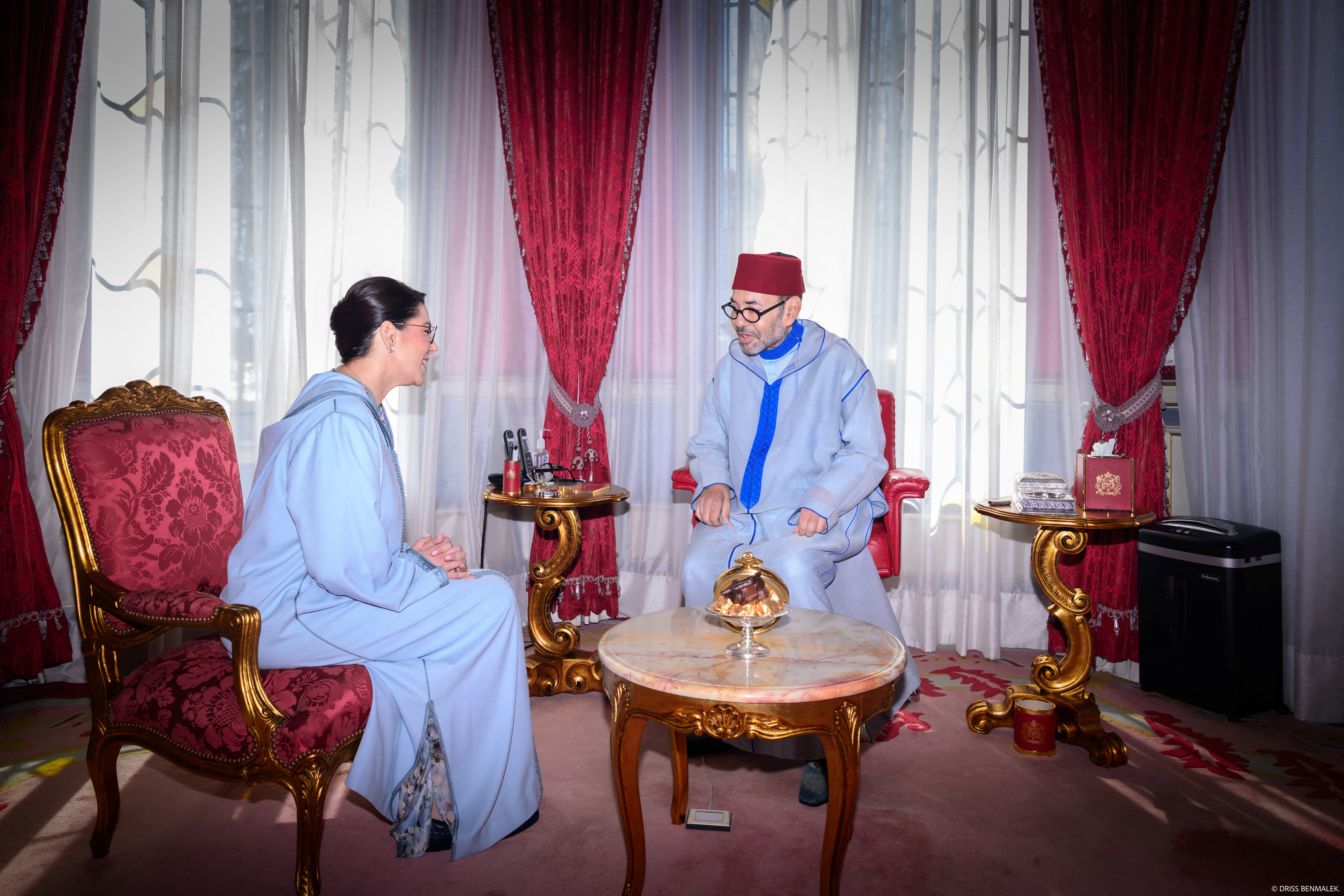
Because the country’s 2011 constitution requires the King to choose the head of government from the party that won the most seats, her appointment rested on two sources of legitimacy: the popular vote and a royal decision.
International coverage has presented the appointment as a breakthrough. It would be a misreading, however, to treat it as a rupture with Moroccan tradition; the country has a long history of women exercising authority, even when formal institutions left them out of the record.
In the 9th century, Fatima Al-Fihri founded Al-Qarawiyyin in Fez, recognized as the oldest continuously operating university in the world.
In the 16th century, Sayyida Al-Hurra governed Tetouan for close to three decades, and negotiated with the Portuguese and the Spanish on her own terms.
In April 1947, during Sultan Mohammed V’s visit to Tangier, Princess Lalla Aicha gave a public address that linked the education of girls with the struggle for independence.
Inside Moroccan homes, meanwhile, the mother has long been the anchor whose authority governs family life.
El-Mansouri belongs to this tradition and represents its modern form. Born in Marrakesh in 1976, she trained as a lawyer in France and the US before entering local politics. In 2009 she became the first woman to be elected mayor of Marrakesh and continued to do so until 2015.
She returned to lead the city council again in 2021, and that same year joined the government as minister of national spatial planning, urban development and housing, a portfolio that meant she was responsible for rehousing families affected by the Al-Haouz earthquake in 2023.
Her political rise has been gradual and institutional, built first within her city’s municipal council and then at the Cabinet table. That trajectory matters. It shows that the authority Moroccan women have long exercised informally is now moving through the formal channels of the state.
Those channels were opened up to women by more than two decades of legal and institutional reform. In 2002 a national list reserved 30 parliamentary seats for women, and the number of female deputies rose from two to 35 in a single election.
Two years later, the reformed Moroccan family code, the Moudawana, raised the minimum age of marriage to 18 and placed households under the joint responsibility of both spouses. The 2011 constitution then committed the state to the promotion of equality between men and women, and tasked public institutions with pursuing parity.
By 2021, women had won the mayoralties of Casablanca and Rabat, and Nadia Fettah had become the first woman to lead the Ministry of Economy and Finance.
Following the election in September, women hold 27 percent of the seats in the lower house, an increase from 24 percent in 2021.
Symbolism though, however significant, will not balance a budget or satisfy an impatient public; and El-Mansouri inherits the growing pains of an emerging economy.
The youth unemployment level remains above 33 percent. Despite major gains in girls’ education over the past two decades, women’s participation in the labor market has contracted and only about one in five Moroccan women is active in it, according to the High Commission for Planning.
The new government must also manage billions of dollars in public spending on stadiums and transport infrastructure ahead of the 2030 FIFA World Cup, which Morocco will co-host with Spain and Portugal, while also completing reconstruction in Al-Haouz.
The new head of government is, by any measure, a candidate of the establishment. She is the daughter of a former pasha of Marrakesh, a powerful municipal governor, and has spent her career inside the institutions she now leads. That experience gives her fluency in the workings of the state; but it also complicates her relationship with a public that has grown distant from party politics.
The coalition government El-Mansouri is now assembling will give her a working majority in parliament. It will not automatically give her the trust of the public, however. To close that gap, her government will have to look beyond the conventional political playbook.
Young Moroccans who organize online command a legitimacy that no party currently enjoys, and they will need a place in the conversation.
Women’s rights associations and civil society groups spent two decades turning principles into law, and their experience can help reforms take hold on the ground.
Still, the question that was put to Hassan II more than 30 years ago has now found its answer. The King’s reply also offers a lesson that remains relevant today: In affirming that nothing should prevent a woman from leading the government, he placed the emphasis on the office itself, and on the responsibilities that come with it.
El-Mansouri will therefore be assessed by the service she renders to the country, as every head of government is, whether the office is held by a woman or a man. Those responsibilities are considerable, and the first of them is already before her.
She must form a government able to serve the Moroccan people over the next five years. Her place in history as the first woman to hold the office is secure. The years ahead offer her the opportunity to add a lasting record of achievement to that distinction.