- The agreement will help cut the funds to Sudan’s warring parties, particularly the RSF
At first glance, a local tribal association stepping in to end informal gold mining in southern Egypt and peacefully resolve a standoff between the army and prospectors seems to be a purely domestic security issue, but the initiative proposed by the Association of Arab Tribes will reshape security along Egypt’s southern frontier, and its impact will also reverberate across the border in Sudan.
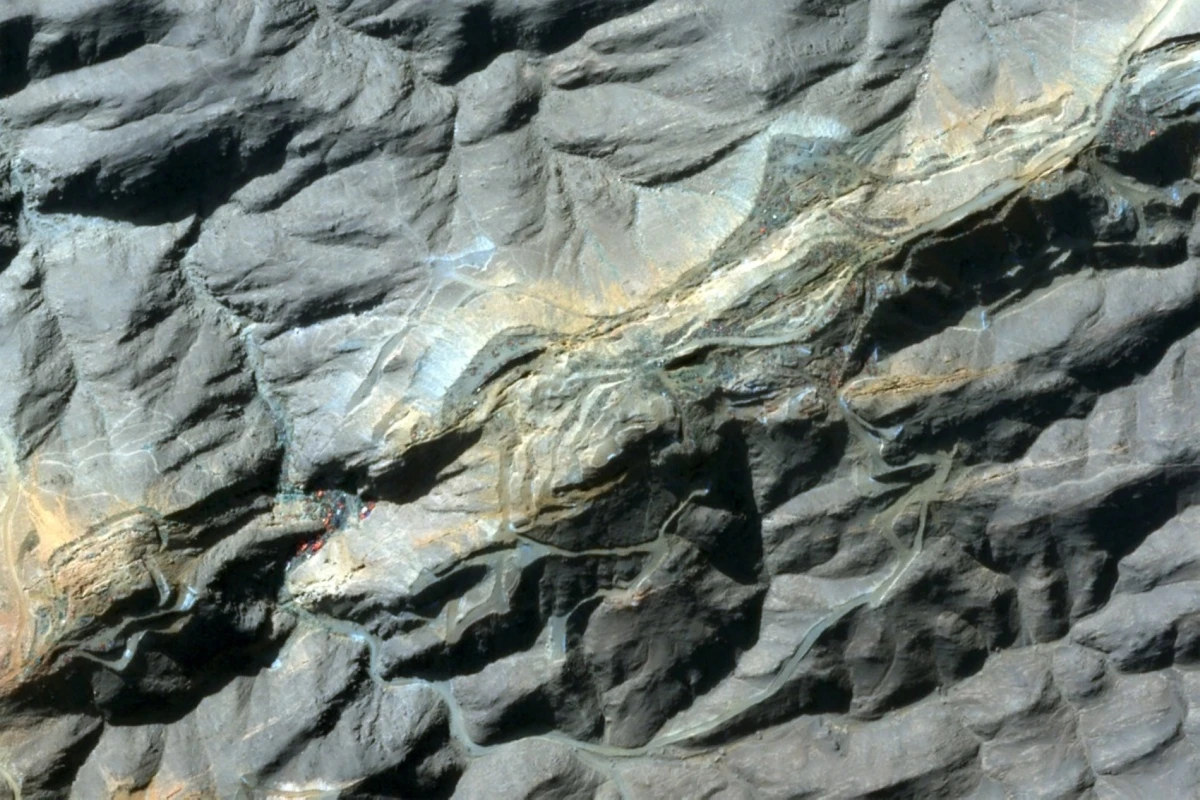
Informal gold mining (and the gold trade it nourishes) supports military activities in Sudan, where an ongoing civil war erupted in April 2023. Illicit mining accounts for 85-90% of Sudan’s declared gold production and has helped fund both the paramilitary Rapid Support Forces (RSF) and the Sudanese Armed Forces (SAF). The mining across northern Sudan has now seeped into southern Egypt. The rugged mountain ranges and dry riverbeds of the Egyptian Eastern Desert now contribute to the financing of war.
The initiative tabled by the Association of Arab Tribes cannot be viewed in isolation from the war in Sudan. It is, in fact, Egypt’s latest bid to cut the funds to Sudan’s warring parties, particularly the RSF. Under the plan, a new company established by the military-affiliated Future of Egypt Authority for Sustainable Development (which oversees agricultural reclamation and development projects) will hire thousands of informal miners and prospectors, bringing them into the formal sector.
The association, which is an umbrella organisation of 30 tribes from across Egypt, is playing a major role. It has ties to the Egyptian security apparatus, with its member tribes in Sinai having helped fight against a branch of Islamic State between 2013-22. It is mediating to secure the release of thousands of artisanal gold miners detained in recent months during the Egyptian army’s crackdown.
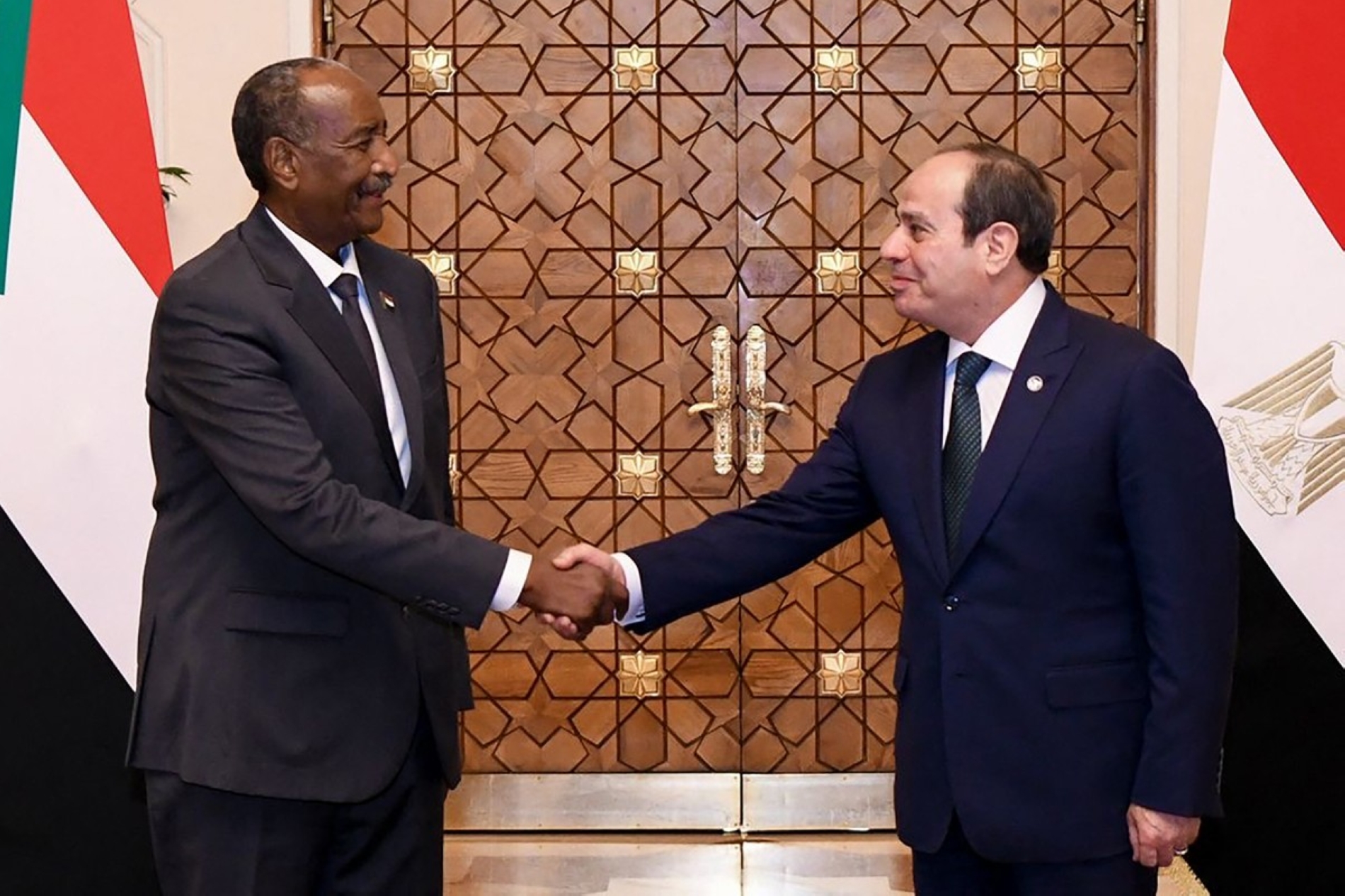
This initiative, which is reportedly supported by Egypt’s President Abdel Fattah al-Sisi, could help to defuse tensions between Egypt’s southern tribes and the Egyptian army, and between Egypt and northern Sudan’s tribes. Yet it remains unclear whether the new state-backed company can absorb thousands of informal miners or offer them salaries good enough to compete with the lucrative returns of illicit prospecting.
Nonetheless, the initiative offers insights into one aspect of Egypt’s evolving strategy for dealing with the crisis in Sudan—a country Cairo has long considered an integral part of its national security. Egypt is trying to formalise its mining sector to better harness its mineral wealth. The authorities are mapping deposits, drafting a new mining law, and inviting private-sector investment in prospecting, but the initiative to regulate mining near the border with Sudan is more about politics than economics.
Preventing state collapse
Egypt’s broader aim is for the war in Sudan to end, and it has pushed for an inclusive political solution, approaching all influential parties, including a recent meeting in Abu Dhabi between the Egyptian and Emirati foreign ministers and US envoy Massad Boulos, whose remit includes Sudan. At the meeting, Boulos and Egypt’s foreign minister agreed on the need for a political resolution to the Sudanese civil war. Cairo has also convened Sudanese political factions to build consensus on a path forward.
State collapse in Sudan threatens Egypt’s own national security. The two countries share a 1,270km border. Disintegration in Sudan would destabilise Egypt and open the door to new dangers. Hundreds of thousands of Sudanese refugees have already sought the safety of Egyptian cities since 2023. In so doing, they have joined millions of other migrants from the region, all fleeing problems in their own countries. The millions of extra mouths to feed have added to the burden on Egypt’s economy.
Cairo backs state institutions, so a collapse of the SAF in Sudan would compound the setbacks suffered in recent years by national armies in Syria, Yemen, Iraq, and Libya, ushering in a new regional order dominated by militias. Sudan's stability is also strongly linked to security in the Red Sea, an international trade bottleneck and vital Egyptian economic artery, since it leads to the Suez Canal, Egypt's paramount source of foreign currency and national income. Sudan has an 850km Red Sea coastline. Unrest there would add to the worries of shipping operators using this maritime corridor.
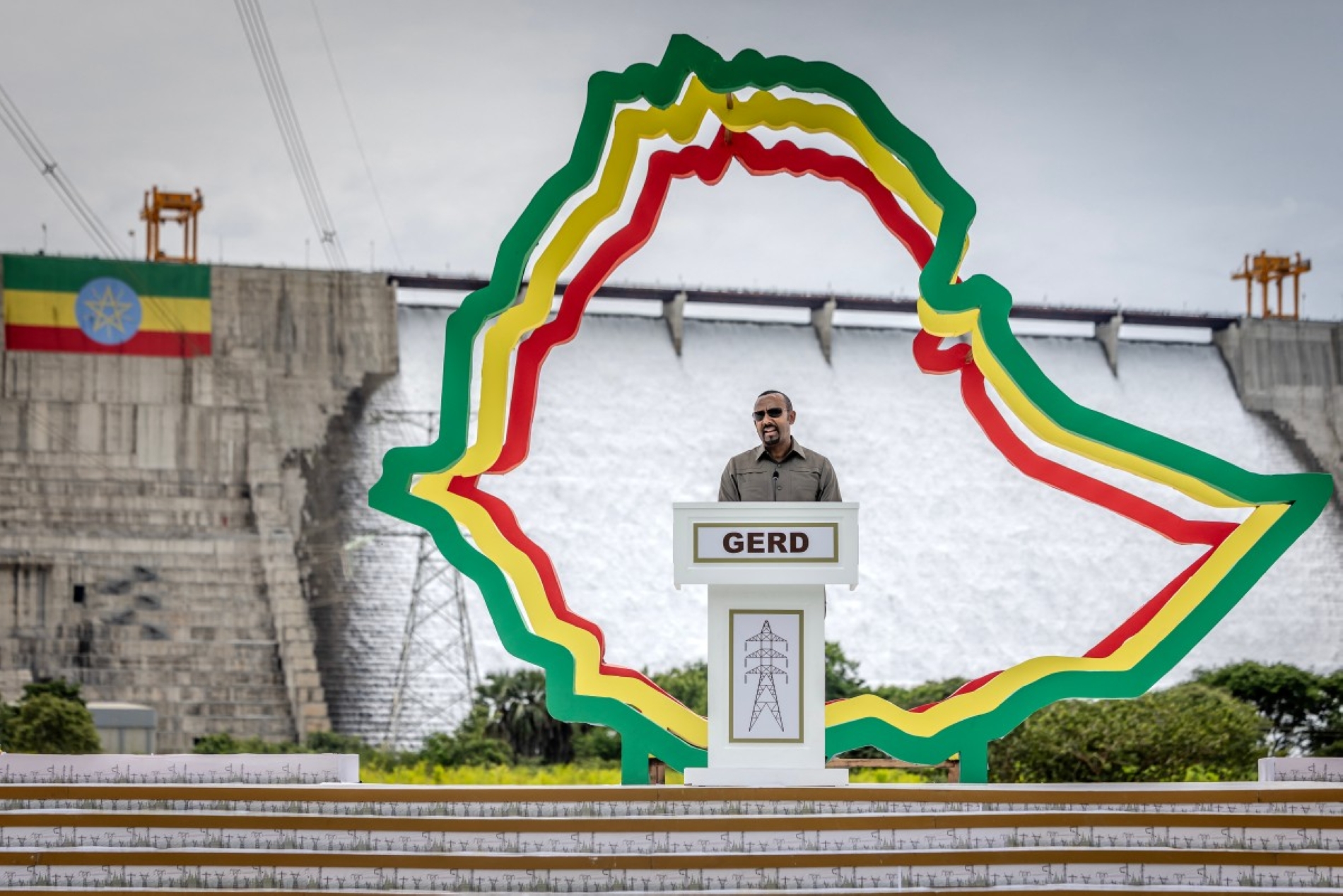
Cairo's approach to Sudan is also shaped by its importance to the Nile River, Egypt's primary source of freshwater, which is now threatened by Ethiopia's massive Grand Ethiopian Renaissance Dam (GERD) on the Blue Nile, the river's main tributary. Years of negotiations with Ethiopia came to nothing, and the dam is now operational. For more than a decade, Egypt and Sudan (both downstream states) have been aligned on the dam because they share the same interests and fears.
Interconnected issues
The civil war has been an understandable preoccupation. Still, it has weakened their united front. With Ethiopia seeking Red Sea access and Egypt vehemently opposed to it, the standoff has evolved into an interconnected power struggle, one in which Addis Ababa leverages the Nile to extract concessions from Cairo on the Red Sea.
Sudan's war has dealt a blow to Egypt's campaign to protect its Nile water rights. Earlier this month, Egypt rallied Sudan behind a joint demand for compensation from Ethiopia over damages caused by the GERD. The SAF accuses Ethiopia of backing the rival RSF militia, so there is no love lost between Port Sudan and Addis Ababa. Ministers from Sudan and Egypt agreed to form a joint committee to assess the dam's environmental and economic toll before filing a compensation claim. Meanwhile, Ethiopia accuses Egypt of sabotaging its development plans.
Taken together, these overlapping crises explain why a local dispute in southern Egypt over desert gold is important beyond the immediate vicinity. By absorbing informal miners into state-backed projects and releasing detained prospectors, Egypt hopes to turn its border tribes into partners in policing cross-border smuggling networks that help bankroll the RSF. Border enforcement alone may not eliminate the illicit trade, but it may dent it sufficiently for there to be an impact in Sudan and beyond.