- Trump brushed off Tehran’s seven-day roadmap to reopen Hormuz, but left the door open to further talks
- Experts say continued economic pressure and shifting leverage could still produce a limited maritime deal
LONDON: US President Donald Trump has rejected Iran’s proposal to reopen the Strait of Hormuz within seven days, but his expectation that talks with Tehran will resume this week suggests the negotiating channel remains open.
That apparent contradiction is central to the latest phase of the seven-month conflict.
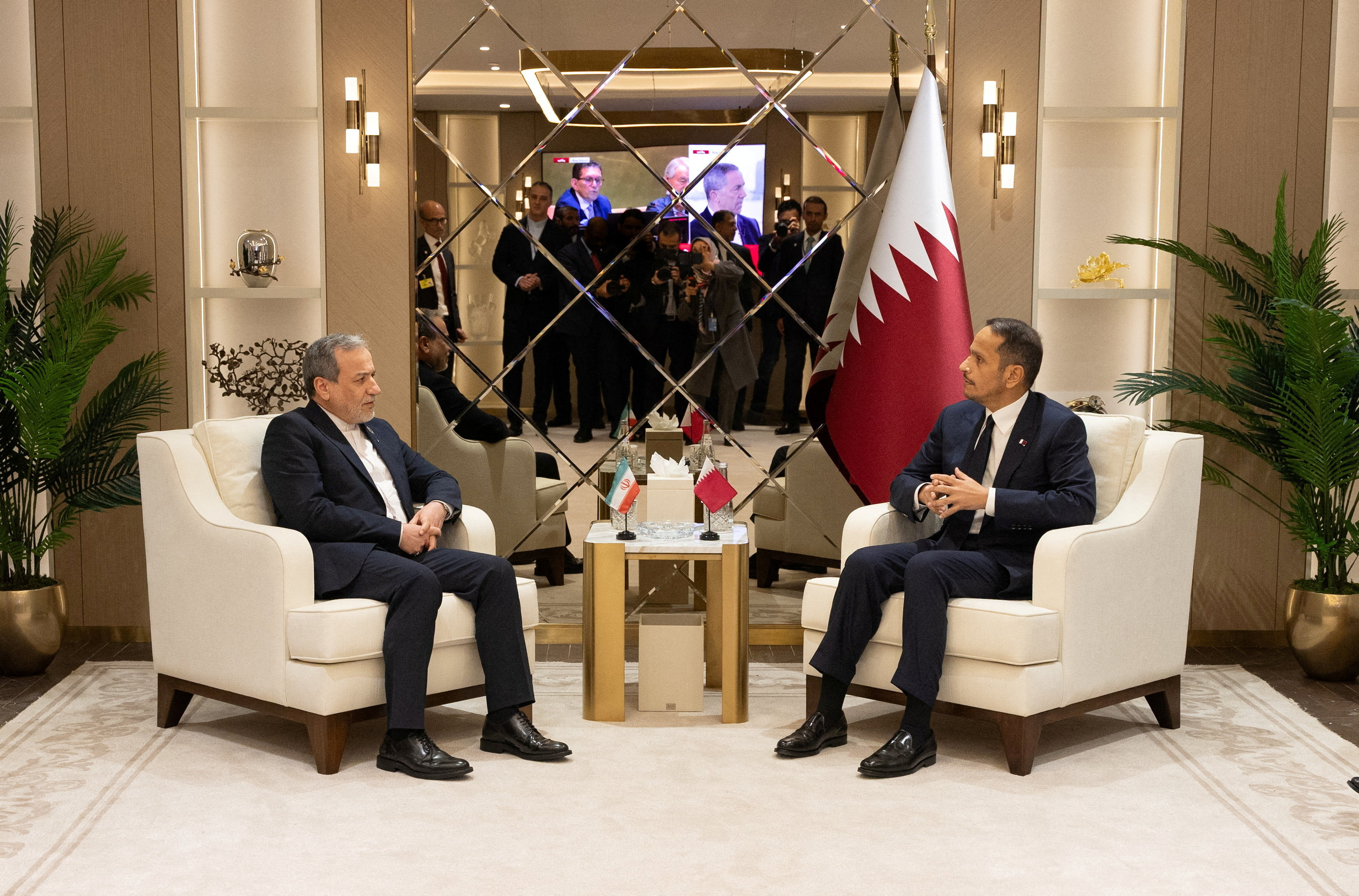
Iran’s proposal, delivered through Qatari mediators during the UN General Assembly in New York, offered a seven-day cessation of hostilities followed by the reopening of the strategic waterway.
In return, Tehran wants the US to lift its naval blockade, ease sanctions on Iranian oil, release frozen Iranian assets and halt military pressure. The plan also envisages a broader return to negotiations, potentially including the nuclear issue.
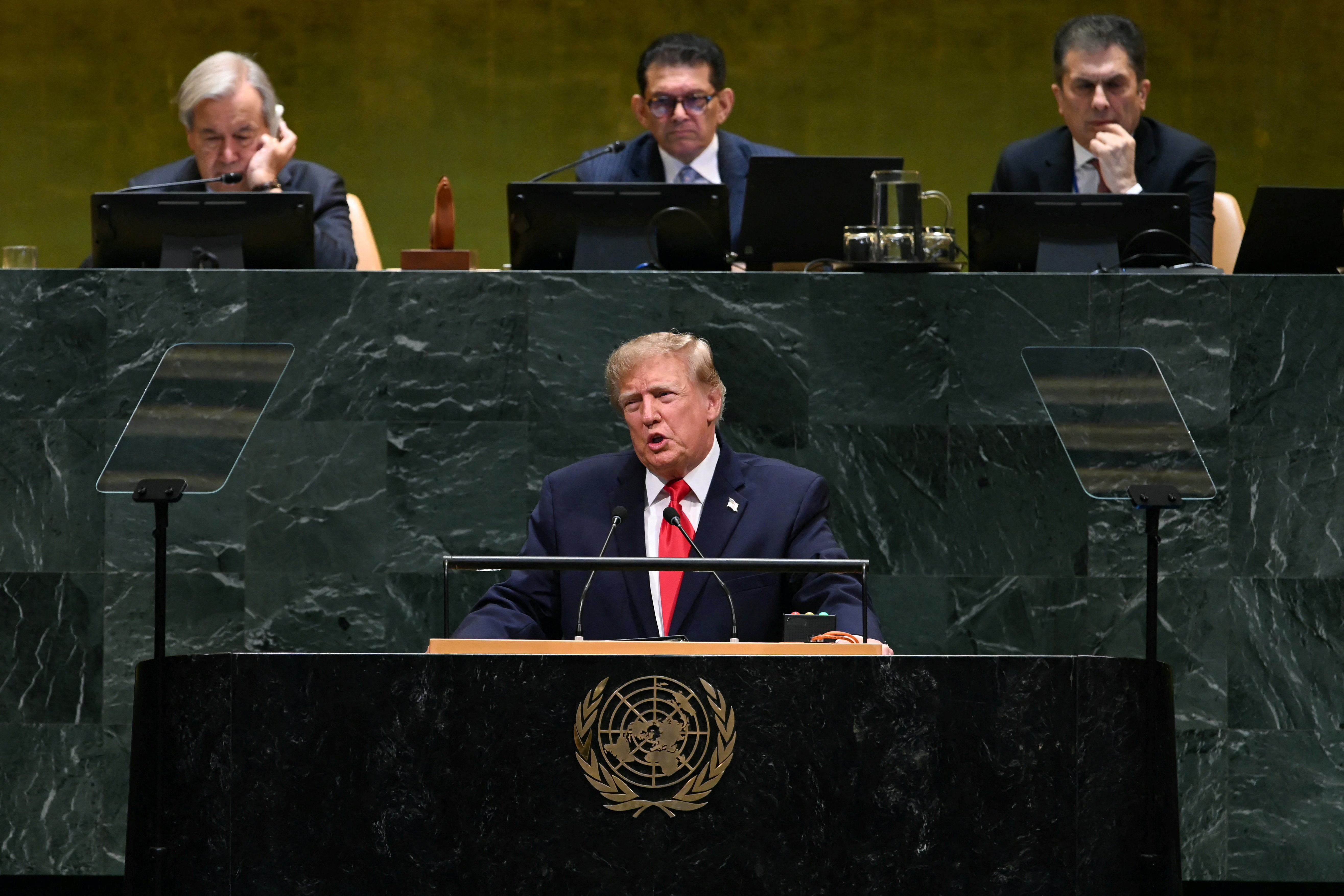
Trump rejected the proposal on Saturday, saying Iran was seeking to reopen Hormuz because it was suffering economically.
“They want to make a deal and I think that’s fine, I like making a deal too,” Trump said. “What they want to do is immediately open the Hormuz Strait … because they have no money coming in.”
Yet a day later, he told Axios that he expected negotiations to resume, saying: “They want to make a deal, but it is not the deal that I want to make.”
That leaves a key question: If Washington does not accept Tehran’s seven-day roadmap, what kind of narrower arrangement could reopen Hormuz without first settling the wider war?
Dr. Andreas Krieg, senior lecturer at the School of Security Studies at King’s College London and fellow at the Institute of Middle Eastern Studies, said the distinction lies in rejecting Iran’s sequencing rather than diplomacy itself.
“Washington is keeping the channel open because it has rejected Iran’s sequencing, not the idea of a deal,” Krieg told Arab News.
The US, he said, believes it has reached a relatively favorable balance of pressure.
“Hormuz is no longer functioning normally, but Iranian disruption has been partially contained and September energy flows have recovered to roughly half of prewar levels by our assessment,” he said.
That has reduced the immediate pressure on Gulf states while the US blockade and financial restrictions continue to impose costs on Iran.
“Washington therefore has less incentive than Tehran to rush,” Krieg said. “At the same time, keeping Qatar’s channel open gives Trump an off-ramp if the economic, military or political costs suddenly rise.”
Arman Mahmoudian, a research fellow at the University of South Florida’s Global and National Security Institute, said Trump may also believe the balance of leverage has shifted sufficiently to justify keeping negotiations alive on Washington’s terms.
“I think there is an important distinction between President Trump rejecting Iran’s current proposal and rejecting diplomacy altogether,” Mahmoudian told Arab News.
“What is happening right now, I believe, is that President Trump likely sees the balance of leverage as having shifted fairly quickly in Washington’s favor.”
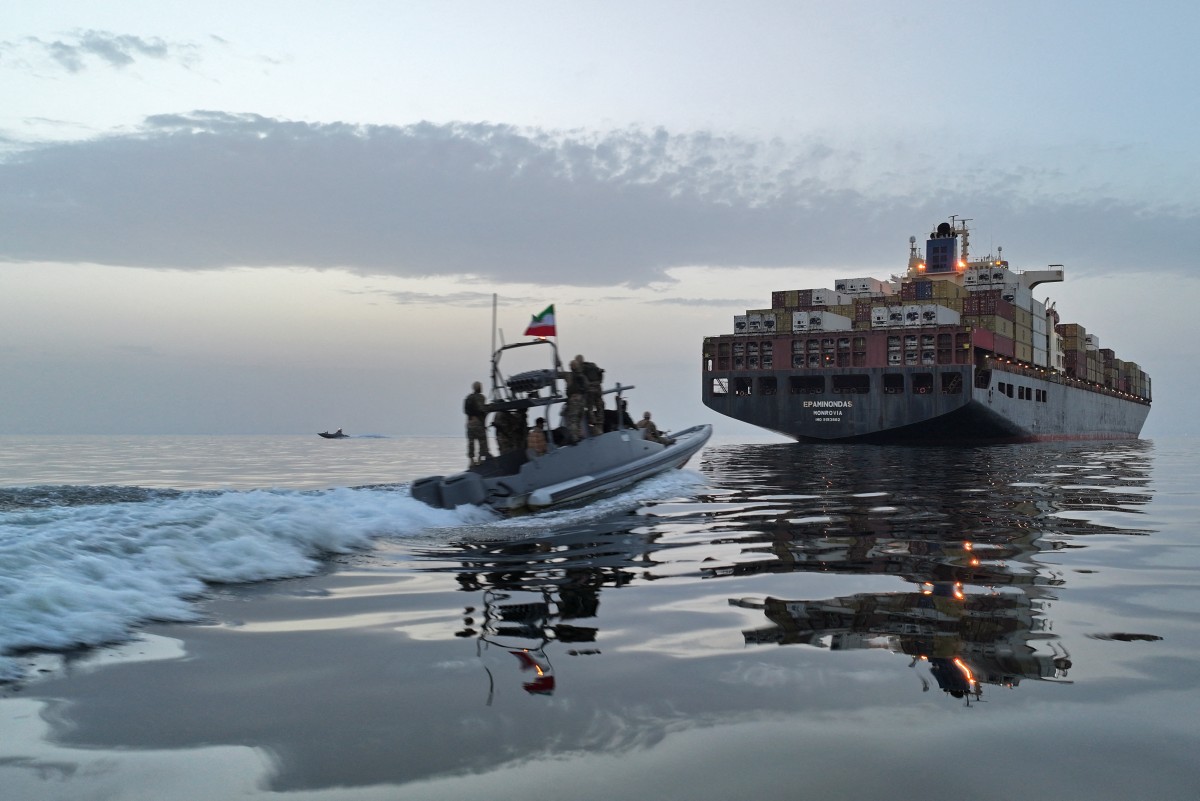
The gradual increase in tanker traffic through Hormuz, intensifying economic pressure on Iran and Tehran’s decision to put forward another proposal may all have contributed to that assessment, he said.
“From his perspective, he may now have a better opportunity to secure a more favorable deal.”
There is also a domestic political calculation, Mahmoudian said.
“With the midterm elections approaching, President Trump has little incentive to close the negotiating channel altogether,” he said.
“First, doing so could signal that a resumption of the broader conflict is becoming more likely, whether before or after the election.
“Second, the complete collapse of negotiations could have an immediate psychological effect on energy markets, potentially pushing oil and gasoline prices higher.”
That could create additional political and economic pressure on Trump and his Republican party before the election.
But can Hormuz be separated from the wider war? A limited agreement appears possible even without a comprehensive political settlement.
“The most realistic outcome is a reciprocal maritime de-escalation rather than a grand political settlement,” Krieg said.
Under such an arrangement, Iran could reduce interference with commercial shipping and allow traffic through the waterway to increase steadily.
Washington could respond with limited and reversible measures, such as easing parts of the blockade, authorizing some oil sales or releasing a small tranche of frozen Iranian assets.
“Oman could then provide the legal and technical framework while Qatar manages the political sequencing,” Krieg said.
The key, he added, would be simultaneity.
“Neither side is likely to move first on trust alone,” he said. “A deal therefore has to exchange small, verifiable steps almost at the same time.”
Mahmoudian also believes an agreement is possible but said any new arrangement would need to be more precise than the June memorandum of understanding between Washington and Tehran.
“I believe an agreement concerning the reopening of the Strait of Hormuz remains conceivable,” he said.
“Essentially, both parties could build a new agreement based on the June memorandum, under which Iran would guarantee the passage of commercial vessels through the strait and refrain from imposing tolls, while the US would lift the blockade and potentially suspend some sanctions.”
The previous arrangement appears to have left ambiguity over exactly what constituted open passage through Hormuz. The waterway has three broad navigational routes — one closer to Iranian territorial waters, one closer to Oman and a central route.
“It appears that, at the time, the Iranians were operating under the assumption that only the northern route would be open and that vessels would need Iranian permission to pass through it,” Mahmoudian said.
“Therefore, any new political settlement concerning the Strait of Hormuz would need to be much more narrowly defined and considerably clearer about the terms of passage.”
The larger obstacle, however, is leverage.
“Iran appears to regard control over access to the strait as one of its principal sources of leverage,” Mahmoudian said.
“For that reason, persuading Tehran to relinquish that leverage and allow the strait to reopen fully before reaching a broader political settlement would likely be very difficult.”
Iran would presumably seek credible assurances over sanctions relief and a pathway toward economic normalization before surrendering such an important bargaining tool.
That leaves the central dispute not simply over what happens in Hormuz, but what happens first.
Tehran wants pressure removed before making major concessions. Washington wants Iranian concessions to demonstrate that its pressure is working. Neither side wants to give up its strongest bargaining chip without receiving something in return.
The economic dimension helps explain why Tehran has continued to pursue diplomacy despite its increasingly uncompromising public rhetoric.
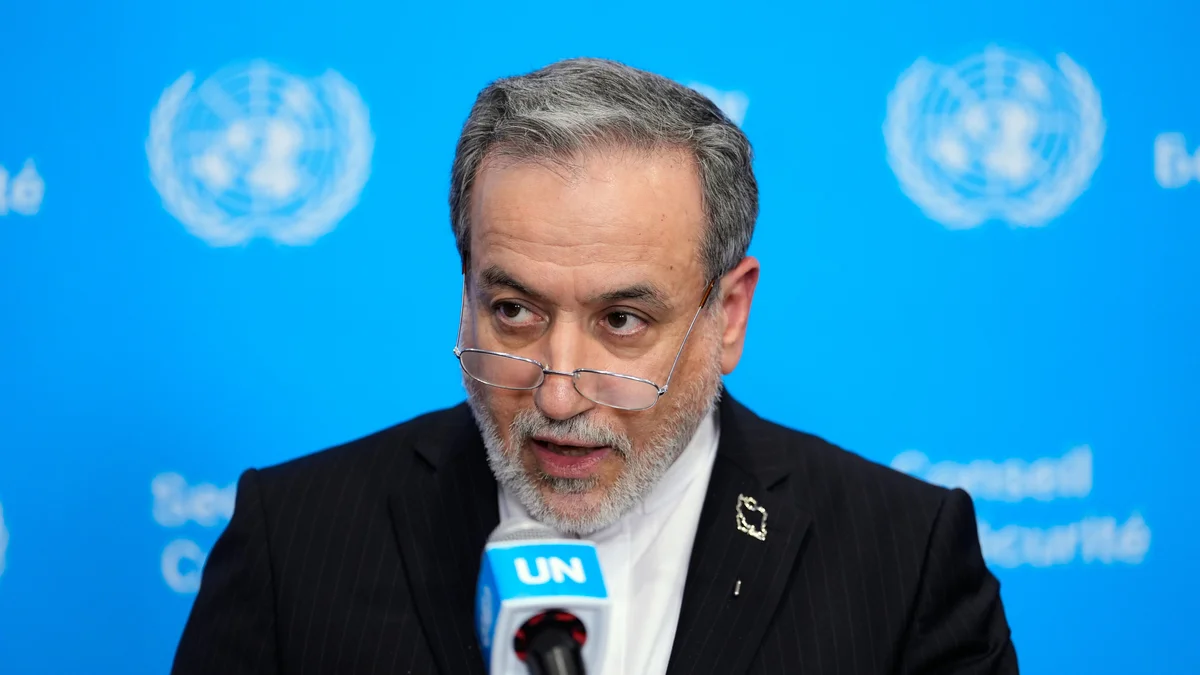
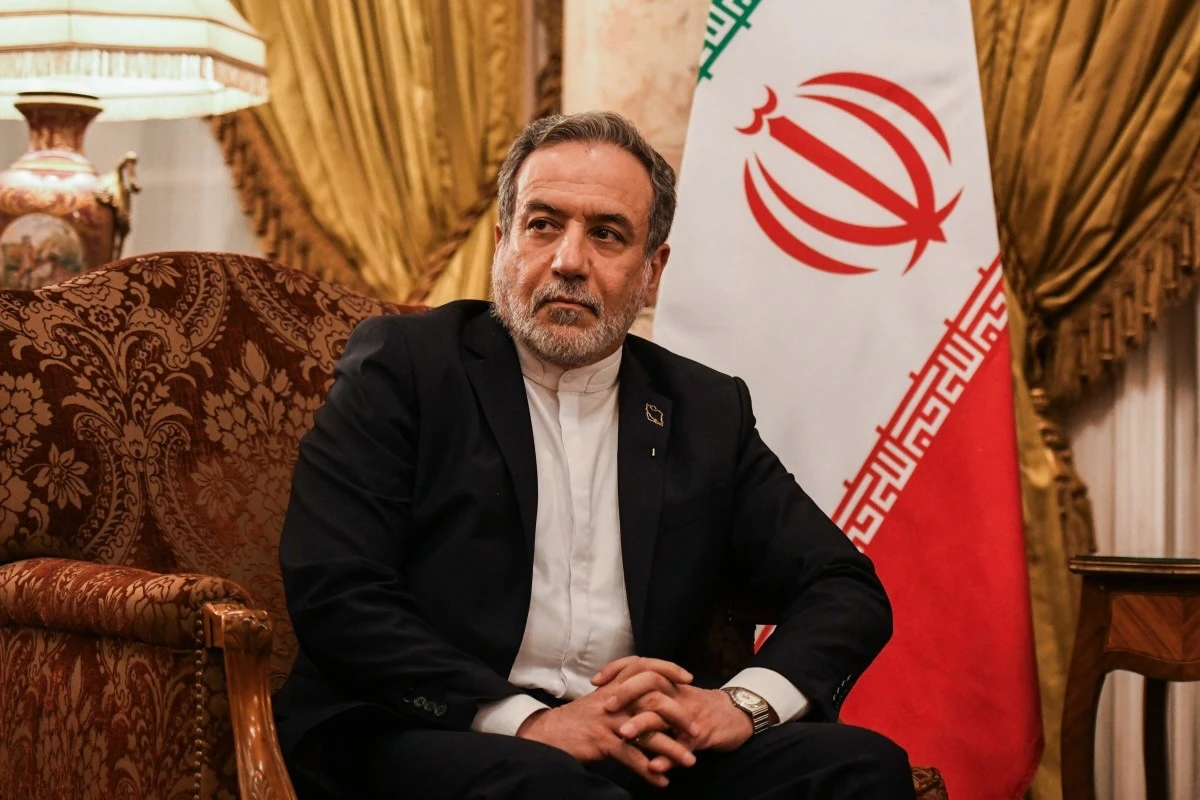
Iranian Foreign Minister Abbas Araghchi has repeatedly said that Tehran remains prepared to negotiate while warning that it is also ready for a prolonged conflict.
“If you ask us, there is no reason why we should go back to diplomacy, but I am still trying diplomacy because I think we shouldn’t miss any chance for peace,” Araghchi said.
“We are ready to negotiate as much as we are ready to face any challenge … We stand firm in the face of any aggression against us, even if it comes to a doomsday war.”
Iran can still disrupt shipping through Hormuz, but the longer the confrontation continues, the greater the economic price.
Krieg believes the renewed push on Hormuz reflects both economic pressure and tactical calculations but sees the former as increasingly important.
“It is both economic strain and tactical time-buying, but I would put more weight on the first than Tehran would ever admit publicly,” he said.
“Iran still has leverage in Hormuz, but less than it had earlier in the war.”
The US has demonstrated that it can keep meaningful volumes of shipping moving under protection while tightening pressure on Iranian maritime trade, aviation and banking.
“That creates a difficult position for Tehran,” Krieg said.
“The status quo is painful for everyone, but increasingly more painful for Iran. Hormuz disruption no longer imposes unlimited costs on the Gulf, while the blockade continues eroding Iranian revenues and commercial access.”
Mahmoudian points to the scale of the economic deterioration.
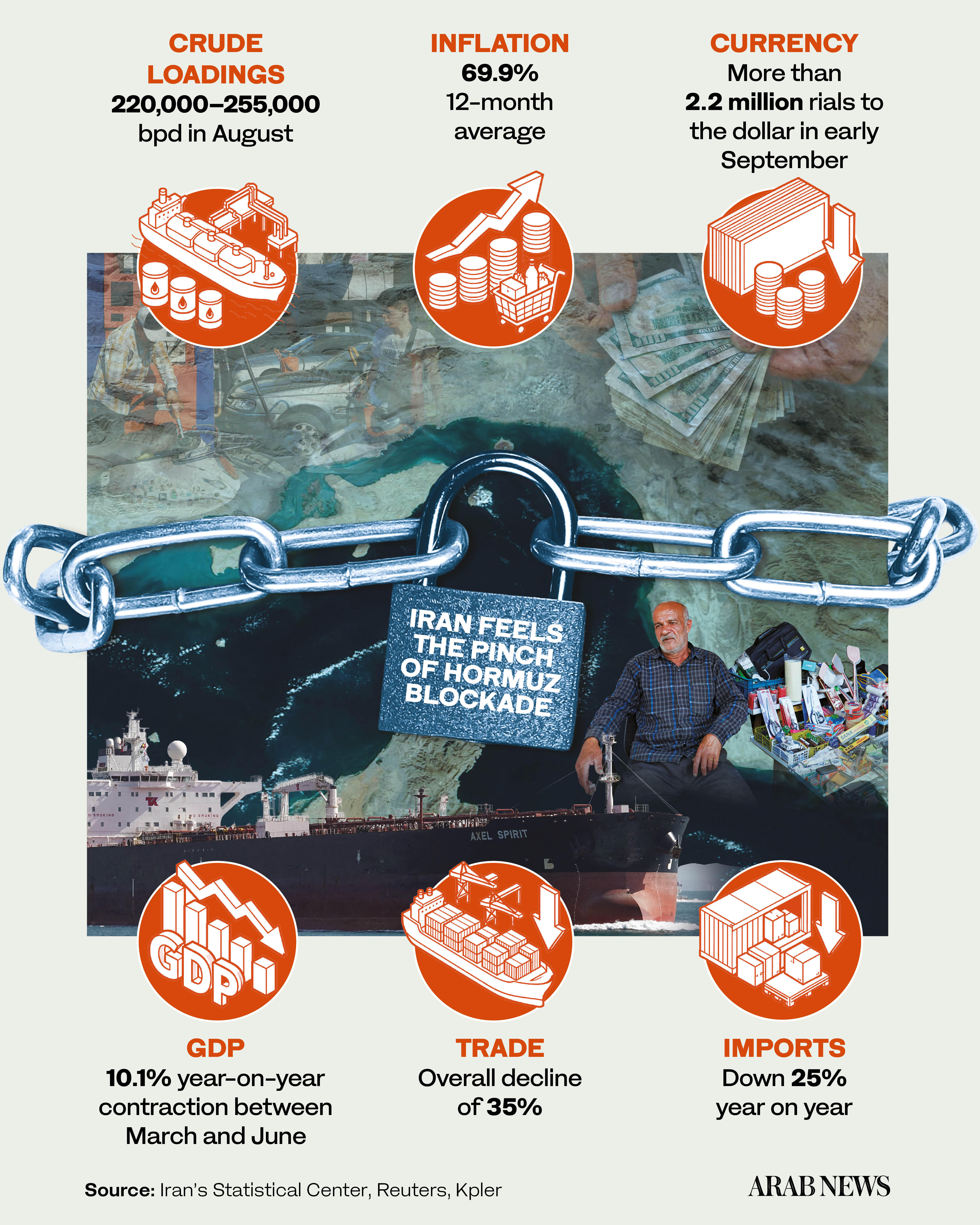
“In March, Iran was exporting between 2 million and 2.2 million barrels of oil per day. By August, that figure had declined to approximately 220,000-255,000 barrels per day, representing a decline of roughly 87–89 percent,” he said.
Iran still has crude in floating storage, including aboard vessels associated with its shadow tanker fleet, but direct exports have fallen substantially.
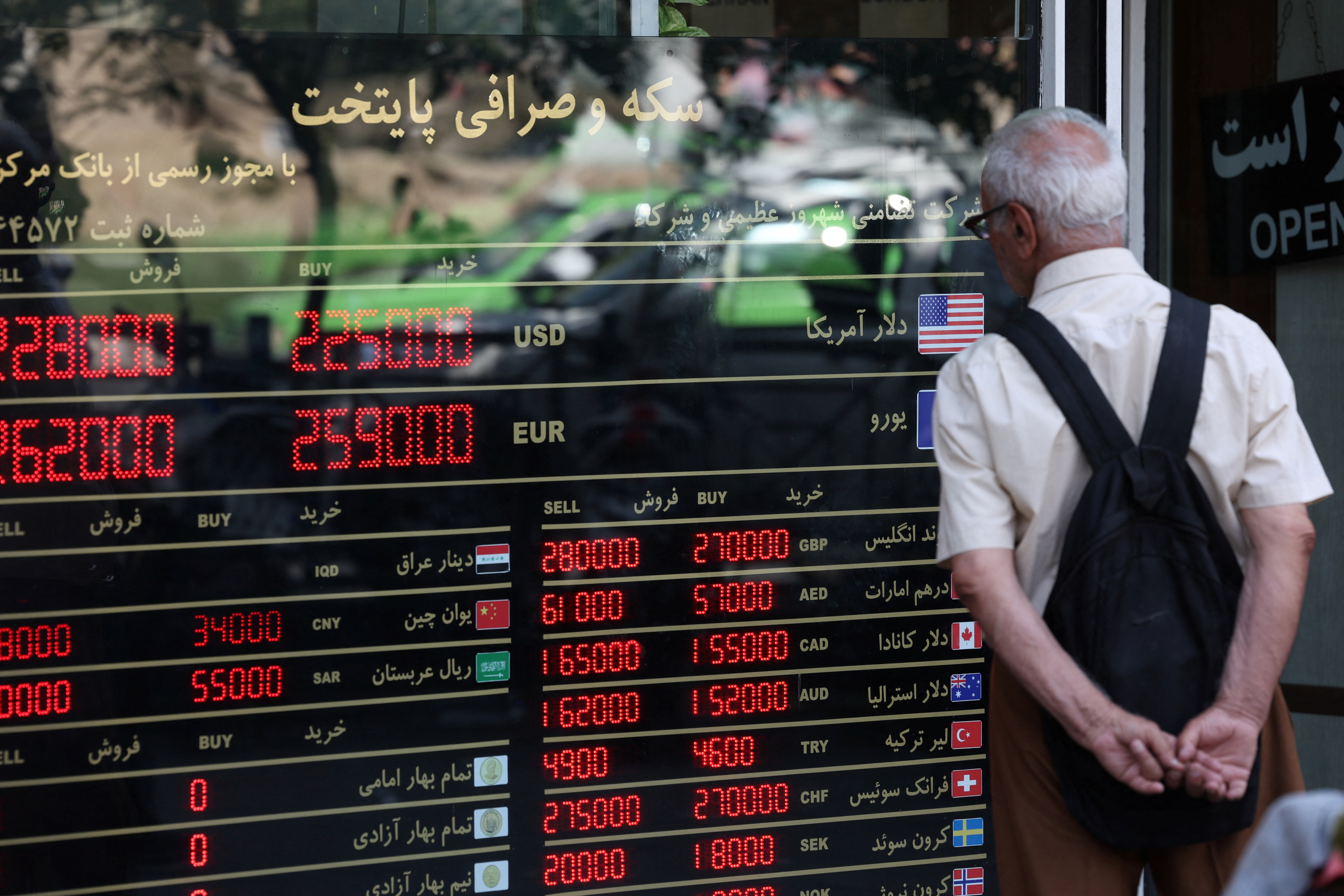
“We also know that the IMF currently projects Iran’s inflation rate at around 69 percent in 2026. There is therefore little question that the Iranian economy is under severe pressure.”
The Iranian government is also conscious that prolonged economic deterioration could feed domestic unrest.
Iran has experienced repeated waves of protests in recent years, and another major outbreak would come as Tehran faces the naval blockade and the possibility of renewed US military action.
“From Tehran’s perspective, such instability could also create additional incentives in Washington for another military escalation under the argument of ‘finishing the job,’” Mahmoudian said.
There may also be a narrowing political window for Tehran.
“I believe Iranian leaders are very much aware that some of the political leverage they currently possess over President Trump could diminish after the midterm elections,” he said.
“From Tehran’s perspective, therefore, there may be an incentive to use the period before the midterms to pursue negotiations while the political and economic costs of continued escalation remain particularly important to Washington.”
For Washington, maintaining the negotiating channel preserves an alternative to renewed military escalation.
But Krieg warns the choice of renewed escalation is not Washington’s alone to make.
“If diplomacy does not translate into tangible relief, the IRGC has a growing incentive to break out of this equilibrium through calibrated violence,” he said.
“Tehran may conclude that the existing level of disruption is no longer producing enough political leverage and that it must raise the cost again to force Washington back towards reciprocity.”