- Military official says government forces are more experienced, better equipped and operating under a unified command after more than a decade of war
- Houthi buildup follows gains on western coast, including seizure of Mokha and advances toward Bab Al-Mandab
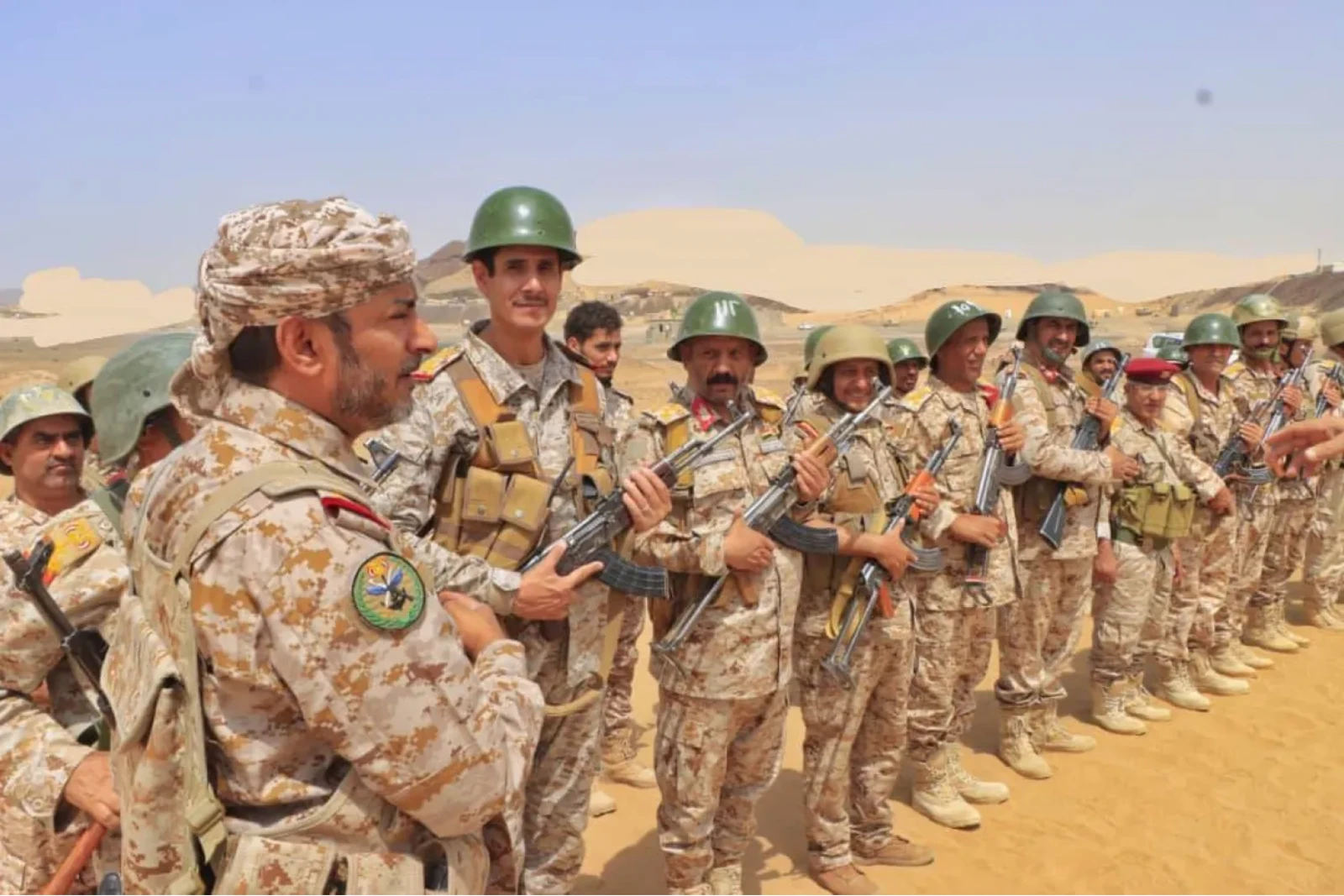
AL-MUKALLA: Yemen’s government forces are better prepared, more experienced and better armed to defend the central city of Marib against any renewed Houthi offensive, a senior military official said, amid reports that the Iran-backed group is massing forces around the province.
Brig. Yahya Al-Hatemi, director of the Yemeni army’s military media, told Arab News that government forces had gained significant battlefield experience during more than a decade of fighting and were ready to repel any attempt by the Houthis to advance on Marib.
“The armed forces have generally become more organized, powerful and effective,” Al-Hatemi said.
“Over the past decade, they have gained combat experience that enabled them to overcome adversity, master military tactics and identify the enemy’s strengths and weaknesses.”
Marib has become one of the most strategically important government-held areas in Yemen since the war escalated in 2015.
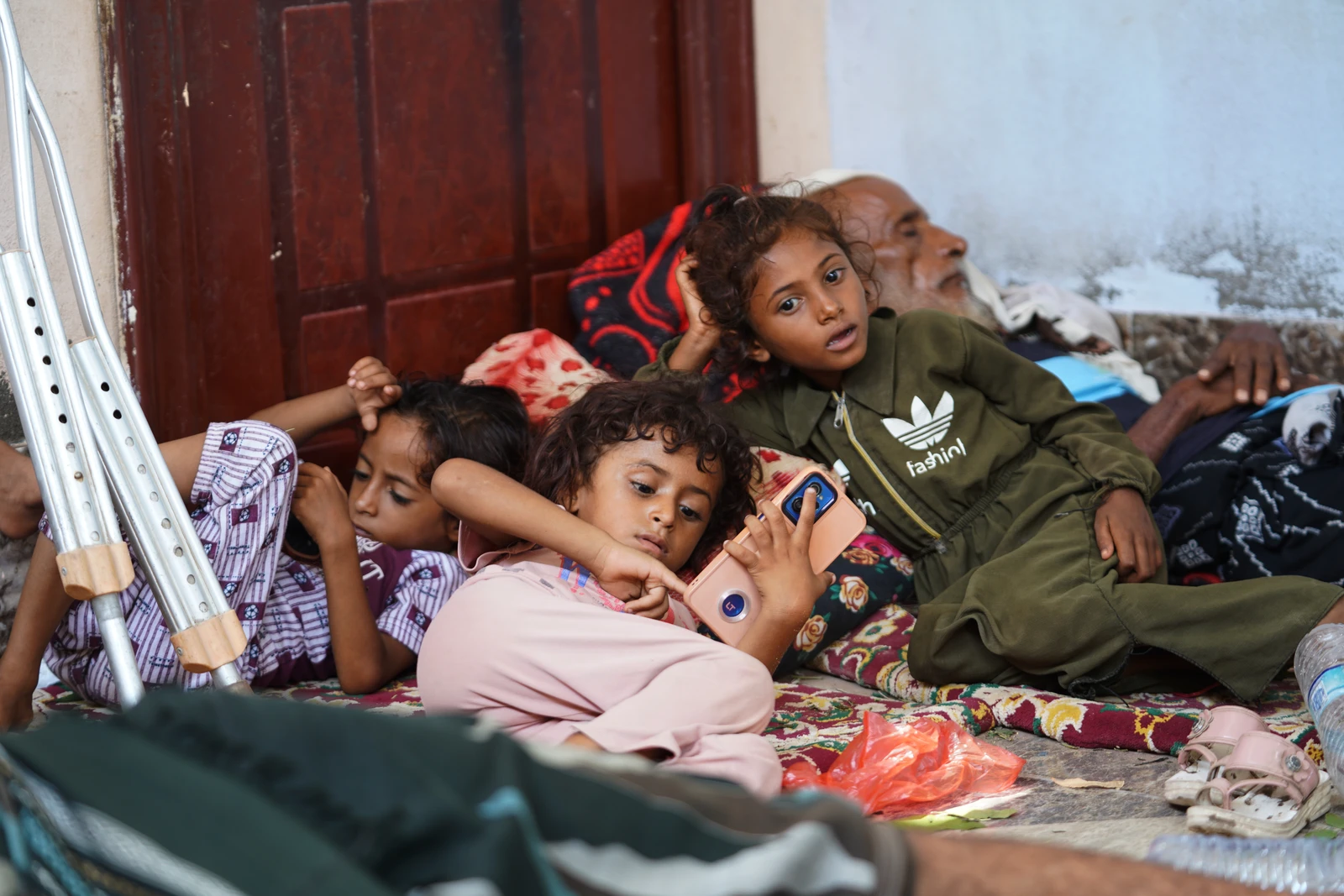
It is home to more than 2 million displaced people, major army bases, oil and gas fields and a key power station. The Houthis have repeatedly attempted to seize the city, but previous offensives have failed.
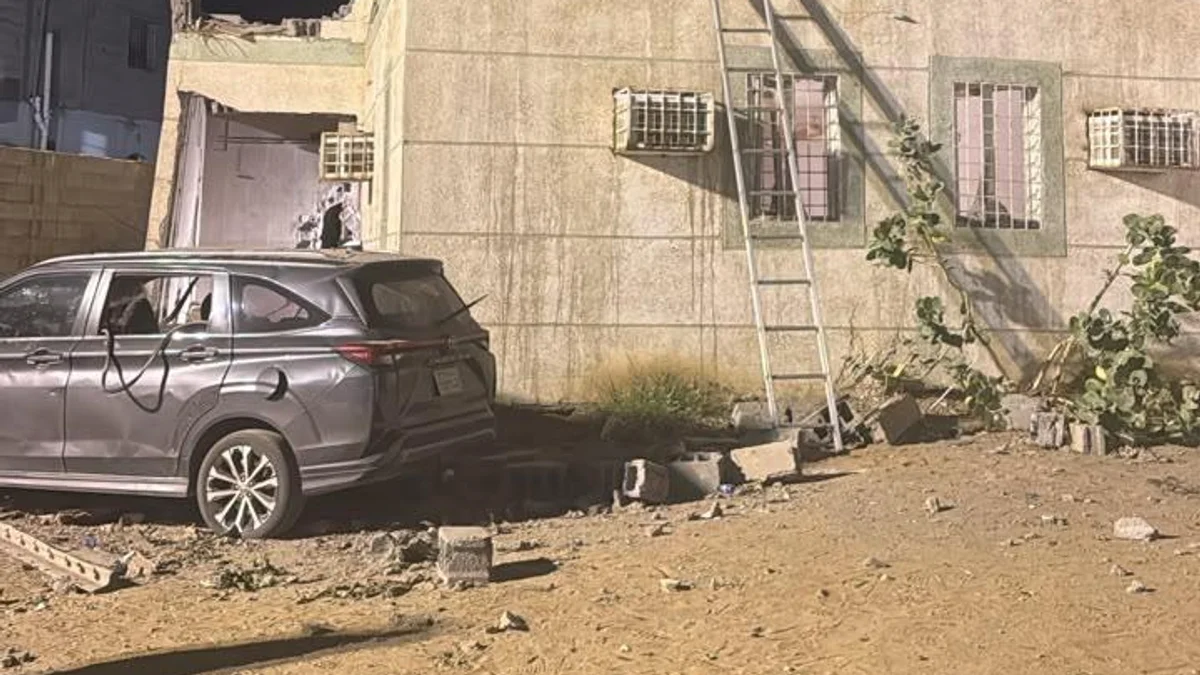
Over the weekend, Yemeni media reported that the Houthis had sent large numbers of fighters and military equipment to areas of Marib province under their control, raising fears of preparations for another offensive.
The reported buildup followed major Houthi gains along Yemen’s western coast, including the seizure of the Red Sea port city of Mokha and advances toward the Bab Al-Mandab area.
Al-Hatemi said the army was aware that Marib could become the Houthis’ next major target.
“We know that the new pressure will be directed at Marib,” he said.
“However, Marib has significant military strength and divine protection. Moreover, the Houthis lack a popular support base there. Quite the opposite: The local environment is hostile to them.”
The Houthis launched a major offensive to capture Marib in early 2021, with fighting continuing into early 2022 and leaving hundreds of civilians and combatants dead or wounded.
The campaign largely subsided following the UN-brokered truce in April 2022, although the Houthis continued launching missile and drone attacks and mobilizing forces around government-held parts of the province.
Military commanders say the situation is different today.
Government forces are operating under a more unified command and have accumulated years of experience fighting the Houthis across multiple fronts.
For the first time in more than a decade, Yemen’s military has also reactivated its air force, which has recently carried out strikes against Houthi positions.
“The armed forces were supplied with military equipment they had previously lacked, while the army and navy were restructured,” Al-Hatemi said.
“In addition, the air force, which had been absent for 11 years, was reactivated.”
Presidential Leadership Council member and Marib Gov. Sultan Al-Aradah expressed similar confidence, saying government forces were capable not only of defending the province but eventually of taking the initiative and launching a broader campaign against Houthi-held territory.
“There is no doubt that Marib is part of the broader battlefields across the country,” Al-Aradah told Saba TV.
“From the beginning, the Marib front has focused solely on victory, supporting the people and supporting all fronts across Yemen. The objective of the forces in Marib and elsewhere is to restore the capital, Sanaa.”
Al-Aradah urged families in Houthi-controlled areas not to send their children to fight alongside the group.
“I hope they do not send their misled children into death traps … horrific slaughterhouses that make one shudder with shame,” he said.
“It is deeply regrettable to witness, right before our eyes, these scenes where hundreds, even thousands, of misled individuals are sent off — unaware of where they are going or whom they are fighting.”
Al-Aradah accused the Houthis of reigniting the war through their latest military escalation and blamed Iran for encouraging the group to reject peace efforts.
He also praised Saudi Arabia for its support for Yemen’s internationally recognized government.
“Our Arab brothers, foremost among them Saudi Arabia, provide great support to the Yemeni people in all fields,” he said.
“They stand by Yemen’s constitutional legitimacy and support the Yemeni people in addressing their economic and humanitarian hardships. They also stand by us in our efforts to achieve stability and prosperity under a legitimate state.”
The renewed attention on Marib comes as the battlefield has widened following Houthi advances in western Yemen.
The militia’s gains around Mokha and Bab Al-Mandab have increased pressure on government forces and raised questions over where the Houthis will seek to concentrate their next major offensive.
For government commanders, however, the stated objective now extends beyond simply defending Marib.
“The priority now is to restore the Yemeni state and rid Yemen of terrorist organizations, foremost among them the Houthis, regardless of their form or nature,” Al-Aradah said.
“This is an irreversible commitment tied to the will of the people. There will be no turning back until the state is restored, whatever it takes.”