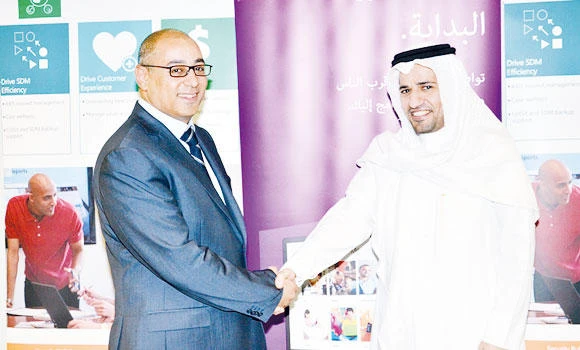
When the Saudi Ministry of Finance wanted to extend the highly successful SADAD electronic bill presentation and payment service — which operates in partnership with banks and other billing agencies — to other public sector agencies, it used Microsoft solutions to deploy SADAD at 37 new sites, working over a period of five years, and ensuring that the public sector now serves more than 29 million citizens’ payment transactions.
First launched in 2004 by the Saudi Arabian Monetary Agency (SAMA), the Kingdom’s central bank, to facilitate and streamline bill payment transactions through banks, SADAD was designed to replace payment and collection that was fragmented and silo-based for government, citizens and businesses.
Over the years, the Ministry of Finance SADAD Enrollment Project has been expanded and is now handling a huge portion of government e-payments, significantly cutting the losses previously experienced by the government under its manual, cash-based system for paying fees and transaction charges. SADAD is also reducing the time taken by billers to collect money from banks — from up to 60 days to one business day.
Yousef Al-Hargan, SADAD enrollment project manager, Ministry of Finance, said: “Prior to SADAD, a huge percentage of bills were paid in cash at bank branches by customers throughout the Kingdom. To extend the use of SADAD in the public sector, we issued an initial request for proposal for a partner to deploy and operate SADAD at up to 22 sites with an appropriate IT platform. We needed a technology solution that was open to accommodate the particular technologies used by different billers.”
Zaid Abunuwar, COO, Microsoft Arabia, said: “Time to market was a major consideration for the Ministry of Finance to encourage greater acceptance among the public of electronic processing of payments, especially as more services go online.”
sponsored
SADAD payments system helps slash public sector expenses