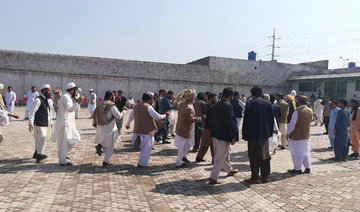
PESHAWAR: A three-day spring festival kicked off on Friday in Pakistan’s northwestern North Waziristan district, locals said, almost half a century after it was last celebrated in a region for decades marred by war and militant violence.
The Da Guloonu Nandara, or flower festival, was last commemorated in North Waziristan in the late seventies before the Soviet invasion of neighbouring Afghanistan led to a spillover of militancy into Pakistan.
Since then, the country’s northwest has been overrun with a number of extremist groups, including the Taliban and al Qaeda, and become the base for some of the world’s most wanted militants.
A 2014 army operation to quash an increasingly assertive Taliban insurgency pushed thousands of residents out of the ethnic Pashtun North Waziristan region and into refugee camps. In January this year, Pakistan's military said 95 percent of the tribal people in North Waziristan displaced by military operations against militants had returned to their homes.
“The festival has a long history, but we had nearly forgotten it due to the security situation,” Noor Islam, president of the Youth of Waziristan group that organised the festival, told Arab News. “We are celebrating it to promote peace and love after years of mayhem and turmoil.”
The festival attracted large crowds and featured traditional Pashtun music, dancing and local cuisine.
Khalil Haiderkhel of Youth of Waziristan said the group had led a two-month long awareness campaign to revive the festival and attract participants. For the next three days, people would pluck ghwajera gul, a locally grown red and white flower, and tuck it into their caps and turbans, Haiderkhel said.
“Traditionally, people move from one village to another to the beat of drums, performing attan [local dance],” Haiderkhel said. “Different villagers of the area arrange delicious food as the participants of the festival pass by.”
So many families in the region had lost relatives to the prolonged insurgency, Haiderkhel said, and the festival was “our way to beat the grief and spread the message of love.”