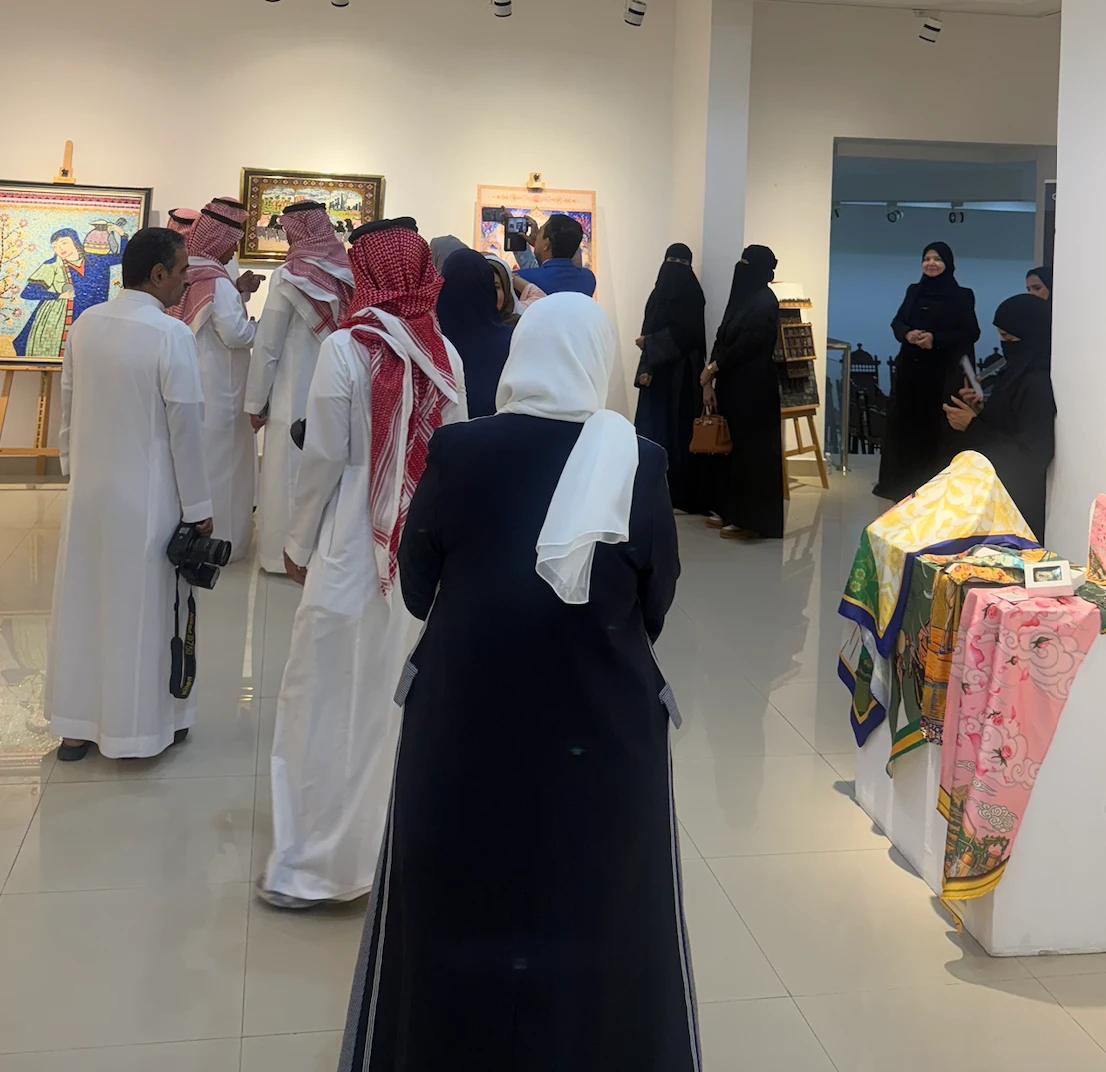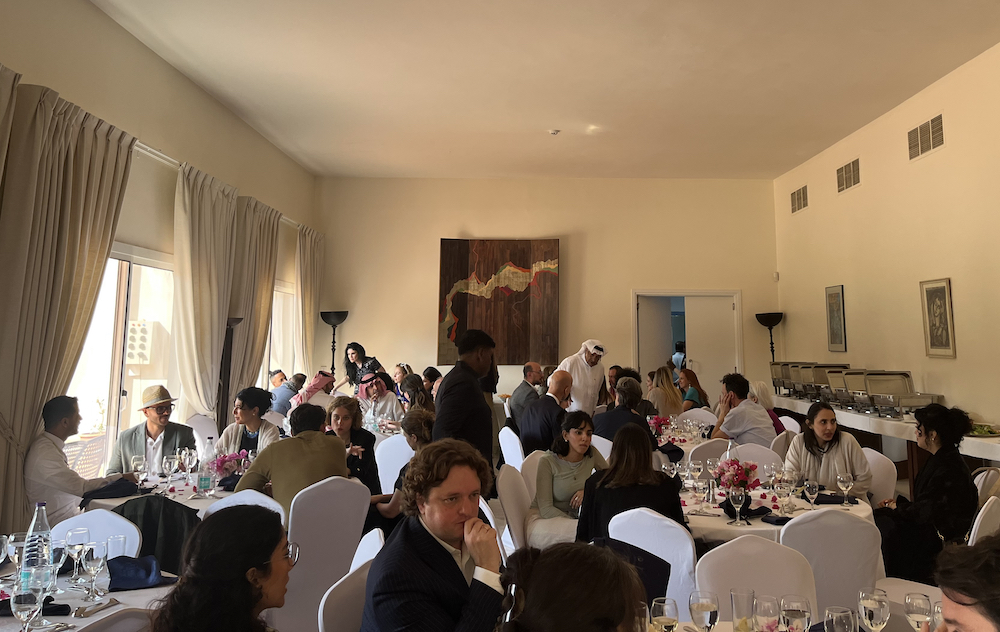
JEDDAH: The Consulate General of France in Jeddah recently hosted a reception at the French Residence to celebrate friendship and cultural collaboration between Saudi and French artists.
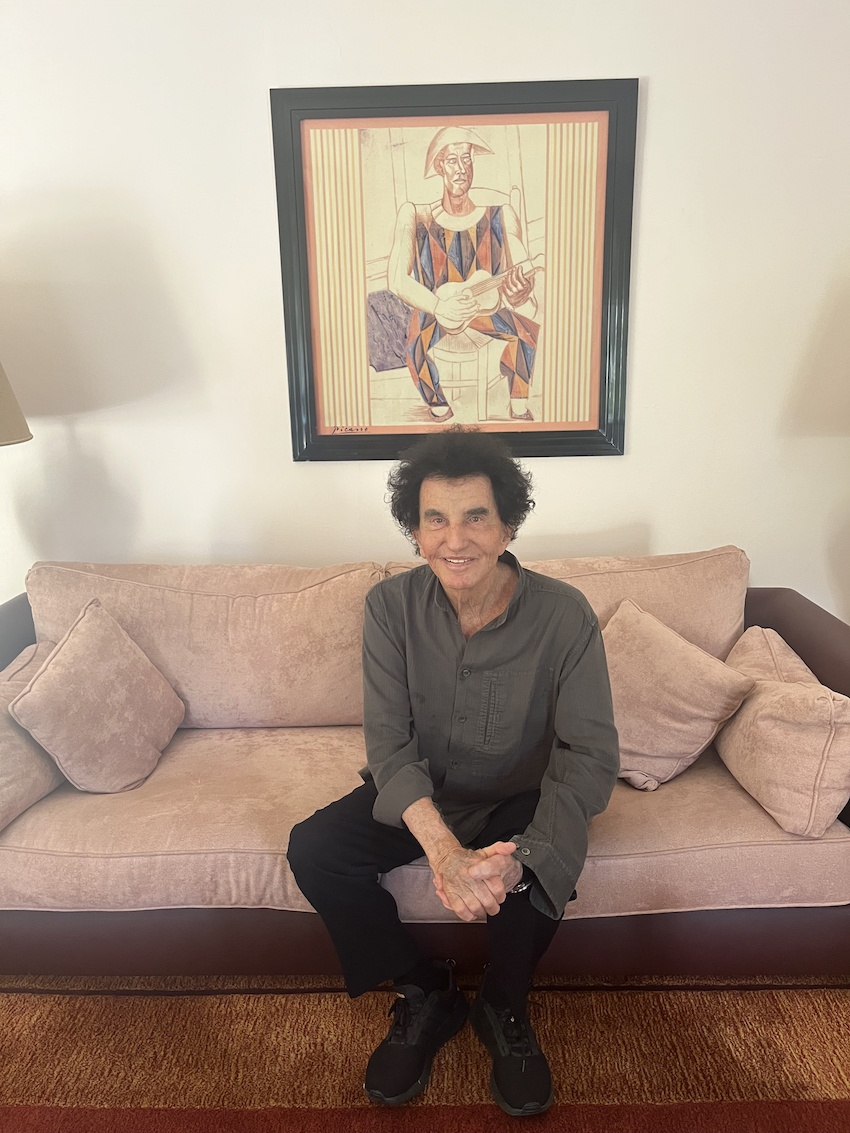
The event coincided with the opening week of the second Islamic Arts Biennale. Esteemed guests included Jack Lang, president of the Institut du Monde Arabe (The Arab World Institute) and former French minister of culture, along with artists and key partners involved in the biennale.
The consul general of France in Jeddah, Mohammed Nehad, spoke to Arab News about the importance of the biennale as a cornerstone of cultural collaboration: “The Biennale of Islamic Art is a pivotal moment for France. We are deeply committed to building bridges between Saudi and French artists. This event allows us to bring these creative minds together, fostering a unique dialogue.
“With the participation of Mr. Lang, a cultural visionary, and renowned institutions like the Louvre and Centre Pompidou present, this gathering underscores our dedication to expanding cooperation.”
He also highlighted initiatives, including plans to organize a major exhibition in Paris dedicated to Al-Balad, Jeddah’s historic district.
“It’s our dream to showcase the rich heritage of Al-Balad in Paris,” he said. “We’ve already hosted Saudi artists in France, with some present during this biennale, and facilitated French artists’ residencies in Saudi Arabia, particularly in the Asir region. This cultural exchange enriches both nations and strengthens the bond between us.”
Speaking further on the cultural landscape of Saudi Arabia, Nehad added: “I am inspired by the energy and creativity of Saudi artists, and encouraged by the progress made. Having served in Saudi Arabia during different terms, I’ve witnessed a remarkable transformation, with institutions and artists now more connected globally. It’s an honor to support and be part of this incredible cultural renaissance.”
Lang, a frequent visitor to Saudi Arabia and an advocate for cultural exchange, shared his admiration for the biennale and the Kingdom’s transformation. “This biennale is extraordinary, showcasing unparalleled creativity and architectural brilliance,” he told Arab News. “Over the past decade, I’ve witnessed Saudi Arabia’s cultural evolution, which is nothing short of revolutionary. The country has become a global hub for museums, theaters, cinema and visual arts. It’s unique and remarkable.”
Reflecting on the relationship between Saudi Arabia and France, he added: “Our collaboration is rich and longstanding. At the Institut du Monde Arabe, we hosted a landmark exhibition on AlUla, which ran for a year.”
Lang, who has also served on the Advisory Council of the Royal Commission for AlUla, said: “This growing partnership reflects the shared vision and passion of both nations.”
Raphael Justine, counselor for cooperation and cultural action at the French Embassy, expressed his enthusiasm for the biennale’s role in enhancing cultural partnerships.
“This is an exciting time for French-Saudi relations in the arts. The biennale provides a platform for artists from both nations to collaborate and create meaningful works,” he told Arab News. “During President Emmanuel Macron’s state visit, we signed over 10 cultural agreements, further solidifying our dedication to fostering collaboration.”
He highlighted the importance of artistic collaboration: “One of our main objectives is to bring French and Saudi artists together, enabling them to co-create and shape the cultural production of the Kingdom in the years to come.
“With so many museums being built, exhibitions being planned and cultural initiatives taking shape across the Kingdom, not just in AlUla, Riyadh and Jeddah, but throughout Saudi Arabia, there is tremendous potential for joint creative endeavors. I am confident that artists from both nations will deliver exceptional work that resonates globally.”
Laure Confavreux-Colliex, founding partner and managing director of Manifesto Middle East, lauded the biennale’s thoughtful execution and its impact on cultural exchange. “The choice of the Hajj Terminal as the venue is profound and symbolic,” she said. “The entire project is thoughtfully curated, and the biennale is a transformative moment for Saudi Arabia. I attended the first edition and was amazed by the quality and depth of the event.
“This year’s biennale has created invaluable opportunities for artists like Abdelkader Benchamma, a French artist whose stunning work at the biennale was the result of multiple visits and on-site collaboration. These exchanges foster deeper connections and understanding, unlocking creative potential across borders.”
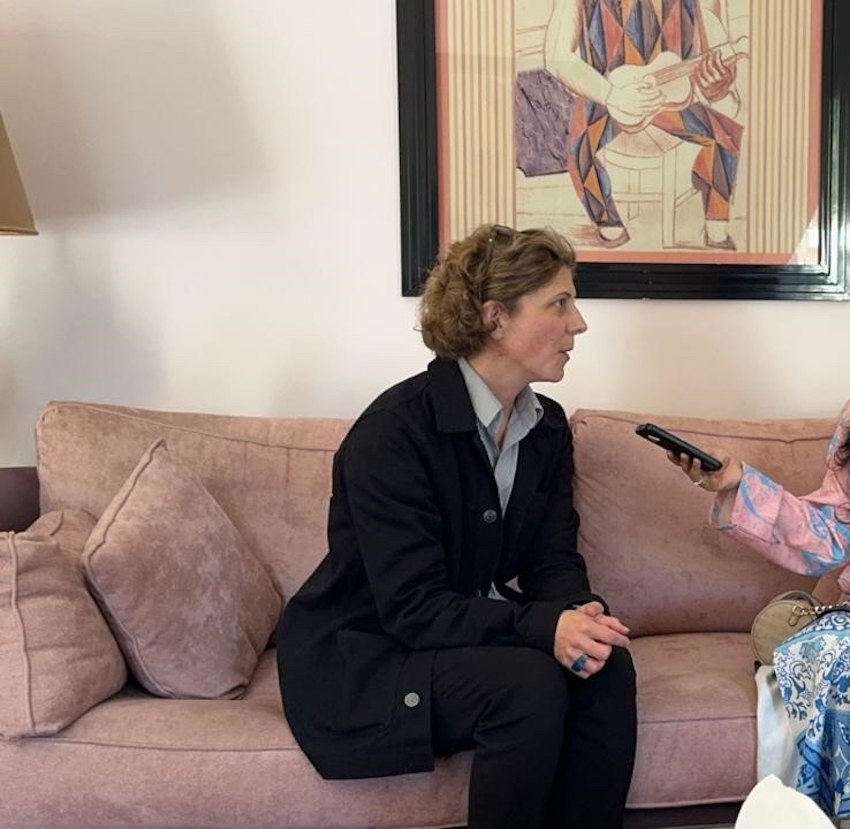
Manifesto has worked to support artists and public art projects for more than a decade. Its branch in Riyadh has collaborated with Saudi cultural institutions to facilitate artist residencies and exhibitions. For instance, Bashaer Hawsawi and Reem Al-Nasser, who exhibited at the Hafez Gallery, spent three months at POUSH, a dynamic artistic hub in Paris hosting more than 300 artists as part of the intermix program developed by the Visual Arts Commission.
“There, they became part of a vibrant ecosystem, which has now culminated in their exhibition in Jeddah,” Confavreux-Colliex said. “This kind of long-term dialogue and immersive experience is essential to building a strong cultural ecosystem.
“We’ve hosted around 15 Saudi artists in Paris through residency programs and welcomed French artists to AlUla and Riyadh. These sustained exchanges not only enrich individual artists’ journeys, but also strengthen the cultural fabric between our nations,” she added.