Pakistan urges entrepreneurs to expand businesses, access new markets under Saudi Vision 2030

Pakistan urges entrepreneurs to expand businesses, access new markets under Saudi Vision 2030
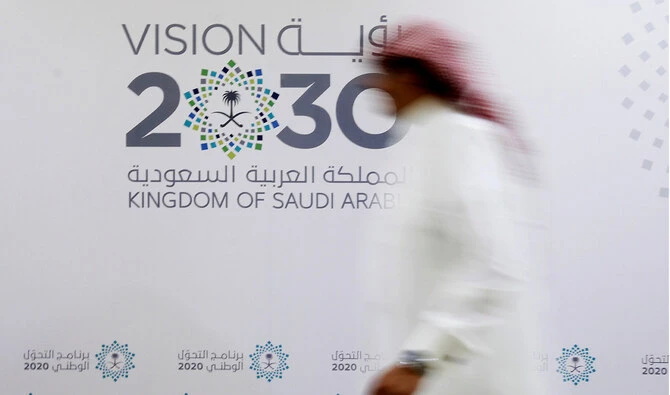
A Saudi man walks past the logo of Vision 2030 after a news conference in Jeddah, Saudi Arabia. Reuters/File
Short Url
Updated 12 March 2025
Follow

Pakistan urges entrepreneurs to expand businesses, access new markets under Saudi Vision 2030

Pakistan urges entrepreneurs to expand businesses, access new markets under Saudi Vision 2030
  • Vision 2030 aims to cut Kingdom’s reliance on oil by developing health, education, tourism and other sectors
  • Pakistani tax official urges entrepreneurs to participate in Saudi trade exhibitions, business forums, and networking events

ISLAMABAD: Pakistan’s coordinator to the federal tax ombudsman on Tuesday urged entrepreneurs to seize business opportunities offered by Saudi Arabia’s Vision 2030 program and use it to expand their businesses and access new markets, state-run media reported. 

Saudi Arabia is consolidating its economy on modern lines under Vision 2030, which is a strategic development framework intended to cut the Kingdom’s reliance on oil and develop public service sectors such as health, education, infrastructure, recreation and tourism.

Speaking to a delegation of food exporters in Riyadh, Saif Ur Rehman, coordinator to the federal tax ombudsman, emphasized the “transformative potential” of the Vision 2030 program and urged Pakistani businessmen to actively explore partnerships and investments in leveraging strategic ties between the two countries, the state-run Associated Press of Pakistan said.

“He noted that ‘Saudi Vision 2030’ offers a unique platform for Pakistani entrepreneurs to expand their businesses, access new markets and contribute to the economic development of both countries,” APP reported. 

Rehman urged entrepreneurs to engage proactively with people in Saudi Arabia by participating in trade exhibitions, business forums, and networking events to build lasting connections.

He underscored the Pakistani government’s role in facilitating these opportunities, assuring entrepreneurs of continued support through policy initiatives and diplomatic efforts.

“By capitalizing on these initiatives, Pakistani industrialists can play a pivotal role in strengthening bilateral relations, driving economic growth, and exploring the untapped potential for collaboration between Pakistan and Saudi Arabia in the years to come,” APP quoted Rehman as saying. 

Pakistan enjoys strong ties with Saudi Arabia and cooperates with the Kingdom in several areas such as defense, trade, agriculture, livestock and other priority sectors. 

Pakistanis constitute one of the largest migrant communities in Saudi Arabia, with more than 2 million working in the Kingdom, making it the largest source of remittances to the South Asian country.

While most Pakistanis comprise blue-collar workers, there is still a growing demand for skilled labor in the Kingdom as it seeks to modernize its economy.
‘A Paperless Event’ – the slogan of Saudi technology at the UN General Assembly for Tourism

‘A Paperless Event’ – the slogan of Saudi technology at the UN General Assembly for Tourism
Updated 07 November 2025
Follow

‘A Paperless Event’ – the slogan of Saudi technology at the UN General Assembly for Tourism

‘A Paperless Event’ – the slogan of Saudi technology at the UN General Assembly for Tourism

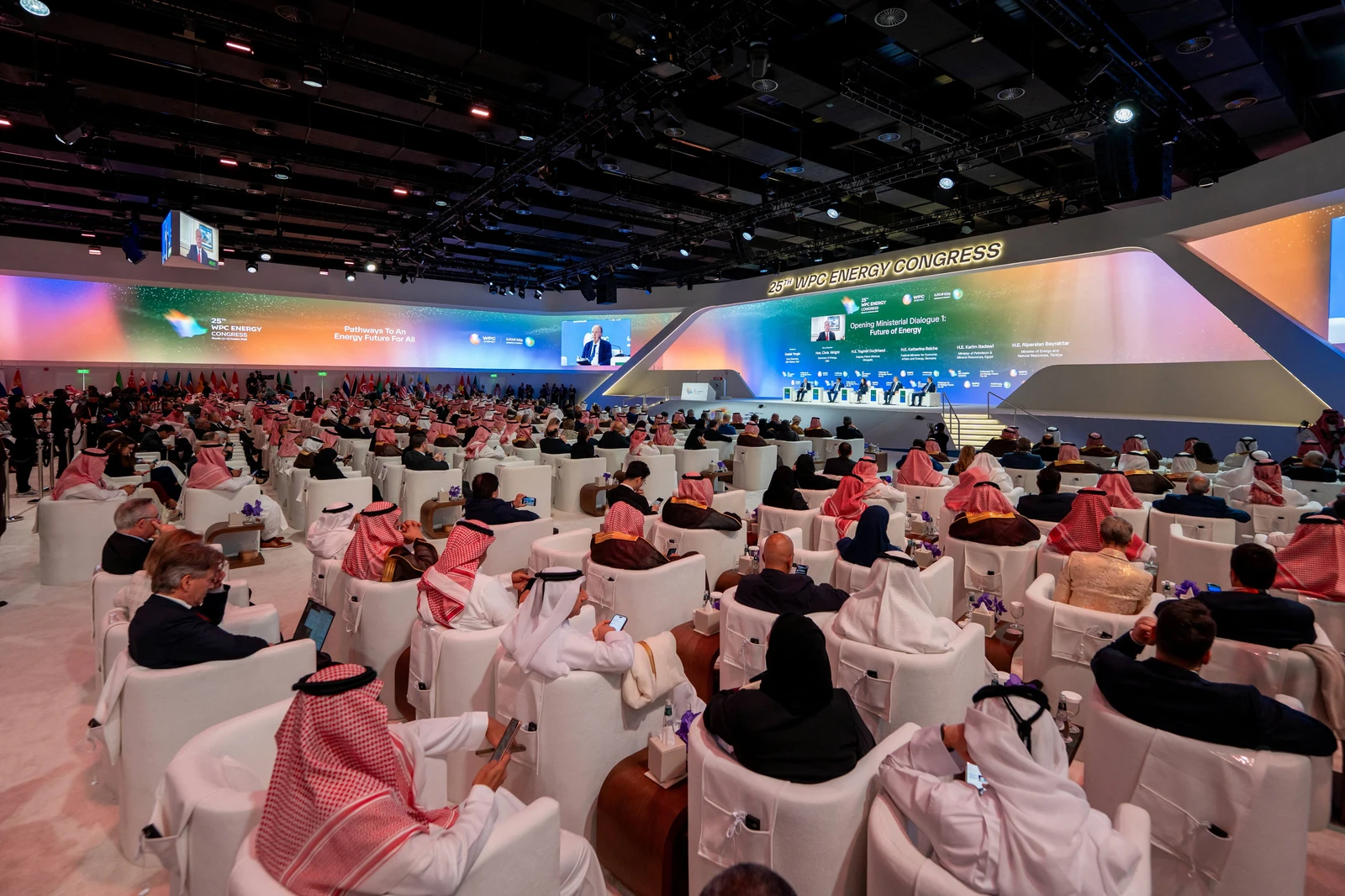
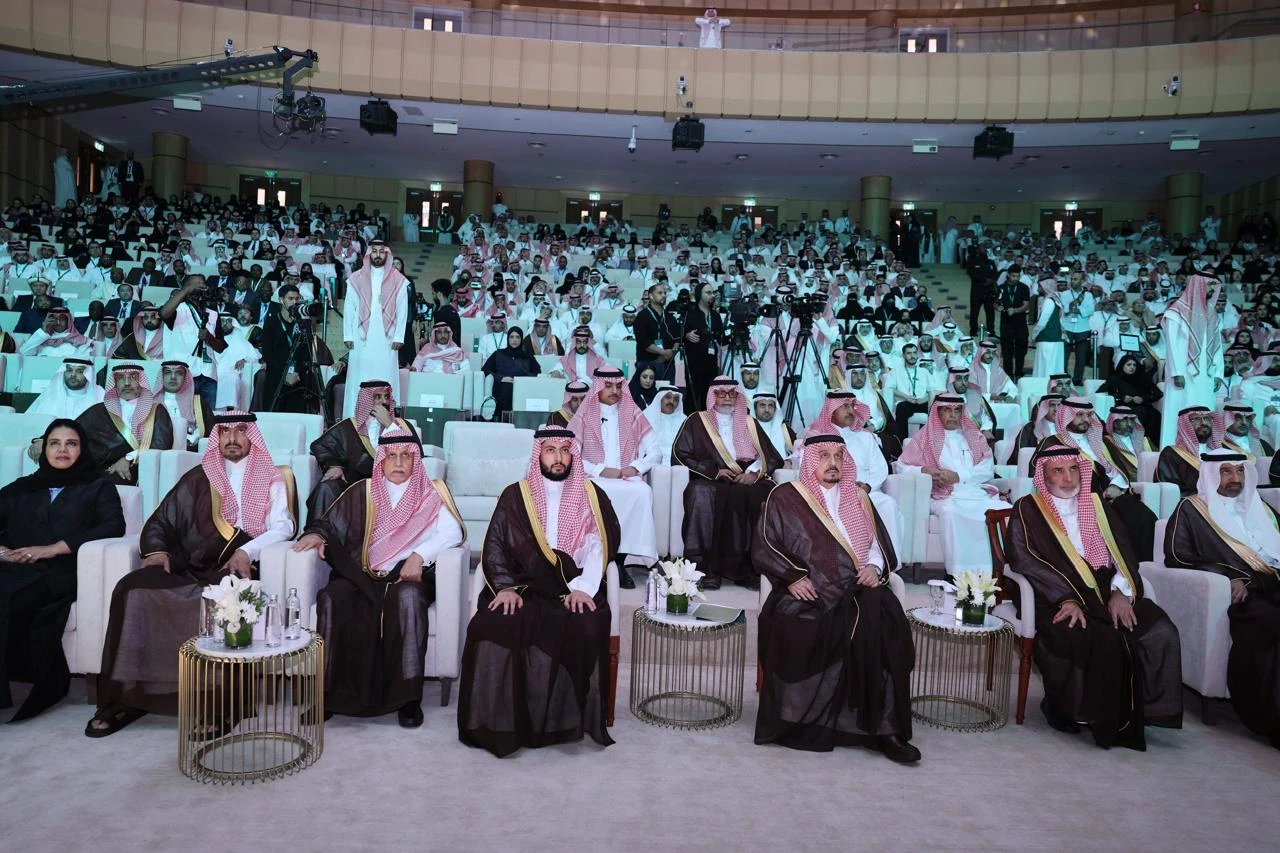
RIYADH: Papers are absent, and Saudi technology is present to say “a paperless event” at the UN General Assembly meetings for the tourism sector, which will be held in Riyadh, with the participation of more than 100 ministers from around the world, Al-Eqtisadiah reports.

The assembly meetings are set amidst natural green plants cultivated in the Saudi desert, surrounding the roundtable that will bring the ministers together. They will chart their plan and vision for the next 50 years, discuss the use of artificial intelligence in the global tourism sector, and ensure the human element is not marginalized.

Sara Al-Saud, the general supervisor of International Affairs for the Saudi Ministry of Tourism, said that “there is a shortage of an estimated 43 million workers in the global tourism sector.”

She clarified that the topic of AI will be one of the subjects discussed by the over 100 ministers, in addition to shaping the Assembly’s vision for the next 50 years.

She added that the Assembly meetings are expected to witness the signing of memorandums of understanding and agreements during the event, alongside a number of recommendations that will be announced in due course.

For his part, Ahmed Al-Ghamdi, the director-general of International Research and Planning, emphasized that the human element is very important in the tourism sector, and that artificial intelligence significantly helps small and medium enterprises improve their service quality and customer experience.

The Executive Director of UN Tourism, Natalia Bayona, explained that the global tourism sector is the largest employer of youth, with 60 percent of them working with AI. She added that many tourists worldwide use AI to explore tourist destinations.

Consequently, a survey was conducted with member states to ascertain if they have local AI strategies and to identify what support could be offered to develop the mechanism, especially since the tourism sector relies heavily on small and medium enterprises.

Globally, the tourism sector contributed 10 percent to the global gross domestic product in 2024, equivalent to $10.9 trillion, recording a growth rate of 8.5 percent compared to 2023, thereby surpassing pre-COVID-19 pandemic levels.

On the local front for the Saudi tourism sector, unprecedented levels were recorded in terms of visitor numbers, spending volume, job creation, and contribution to the GDP.

The direct and indirect contribution of the tourism sector to the GDP reached 11.5 percent in 2023. The International Monetary Fund predicts that the Saudi tourism sector will achieve a growth rate of 16 percent by 2034.