- Palace’s interior spaces are designed for privacy, with spacious guest halls, residential wings and courtyards that provide natural ventilation
- Decorative stucco and geometric patterns adorn the walls, adding an aesthetic touch that aligns with Makkah’s spiritual identity
RIYADH: In the heart of Al-Maabdah, northeast of Makkah, Qasr Al-Saqqaf stands tall as more than a historic building. The palace has witnessed decades of social, administrative and diplomatic change.
Built in about 1880, the building initially served as headquarters for administrative and official activities, hosting numerous meetings with prominent social figures, the Saudi Press Agency reported.
It later became a center for managing state affairs and receiving high-ranking guests and official delegations, where key agreements and resolutions were signed during the early years of Third Saudi State.
Between 1980 and 2019, as officials moved to more modern buildings, the palace’s administrative role declined.
Yet it remains a landmark in Makkah’s architectural and cultural landscape. Its proximity to the Grand Mosque makes it a natural gathering place for visitors and delegations.
Dr. Oumr Adnan Osra, chairman of the department of architecture at Umm Al-Qura University, said that visitors could easily recognize the palace’s architectural features.
Its foundations were built with locally sourced stone, while the windows, doors and mashrabiya-style balconies were made from wood imported from India and East Africa, highlighting Makkah’s historic commercial and cultural ties with the world.
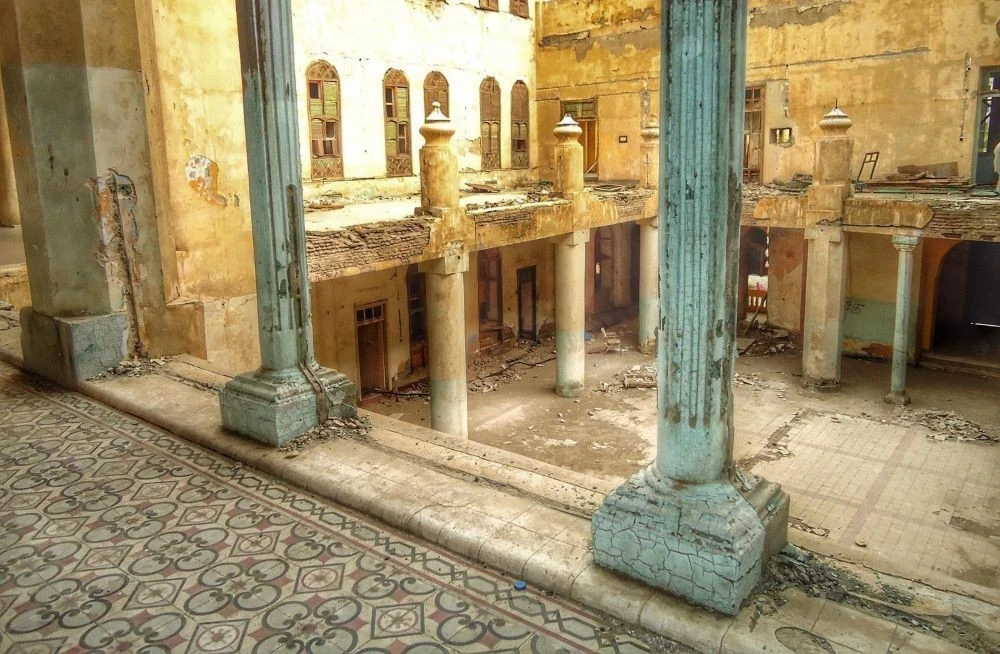
The palace’s interior spaces are designed for privacy, with spacious guest halls, residential wings and courtyards that provide natural ventilation.
Decorative stucco and geometric patterns adorn the walls, adding an aesthetic touch that aligns with Makkah’s spiritual identity.
Osra said that Qasr Al-Saqqaf reflected Makkah’s core values of hospitality, privacy and the harmony between simplicity and beauty. Its halls illustrate the city’s readiness to welcome guests from around the world, while its Islamic decorations underscore its deep-rooted identity and the sacred surroundings.
The university has documented the palace extensively, conducting urban and architectural surveys and maintaining photographic records for posterity. Its work supports restoration and conservation projects and demonstrates how academic partnerships enrich understanding of national heritage.
According to Osra, the palace is not just a historic landmark but a living knowledge and cultural project co-created by researchers and students.
The Royal Commission for Makkah City and Holy Sites has launched programs to restore and rehabilitate Qasr Al-Saqqaf, ensuring its history remains vivid for residents and visitors alike.
Today the palace continues to host events that celebrate Makkah’s architectural, social and cultural heritage, reaffirming the Kingdom’s commitment to preserving its national legacy.