- Saudi Arabia’s oud makers and exporters are expanding to keep up with rising global demand
RIYADH: While perfumes are gaining fresh attention across the Kingdom, oud remains the soul of the Gulf’s scent identity, deeply rooted in Saudi heritage and now poised for global growth.
Saudi Arabia’s oud and fragrance retail market is projected to see a 14 percent compound annual growth rate from 2024 to 2029, reaching approximately SR18.5 billion ($4.93 billion) by the end of the period, according to Euromonitor.
This growth will be driven largely by rising demand for premium oud-based perfumes, fueled by increasing consumer spending.
Euromonitor also showed that premium men’s fragrances, many of which feature oud, are expected to be the fastest-growing category, aligning with a regional shift toward greater male investment in personal care. Arabian Oud Co. led the market in 2024, holding a 9 percent retail value share.
Before exploring oud’s transformation, it’s worth stepping back to understand the shifting dynamics of fragrance demand in the Gulf Cooperation Council, and what gives the region its uniquely bold scent identity.
Changes in demand for luxury fragrances in the GCC in recent years
The Gulf Cooperation Council region has long stood apart as deeply sophisticated when it comes to fragrance.
“But what we are seeing today is a meaningful evolution, from passive consumption to informed appreciation,” Marco Parsiegla, CEO of Omani luxury fragrance brand Amouage told Arab News, adding: “Clients are no longer simply buying perfumes; they are seeking stories, origins, and a sense of intentionality in what they wear. It is a fact that fragrance here is not an accessory; it’s an extension of personal identity and cultural heritage.”
Founded in 1983, Amouage is a luxury fragrance house known for its rich, oud-infused scents that blend Middle Eastern tradition with modern perfumery — and it is widely available in Saudi Arabia through upscale retailers in cities like Riyadh and Jeddah.

To keep up with demand, Saudi oud exporters are also innovating in sustain-able sourcing.
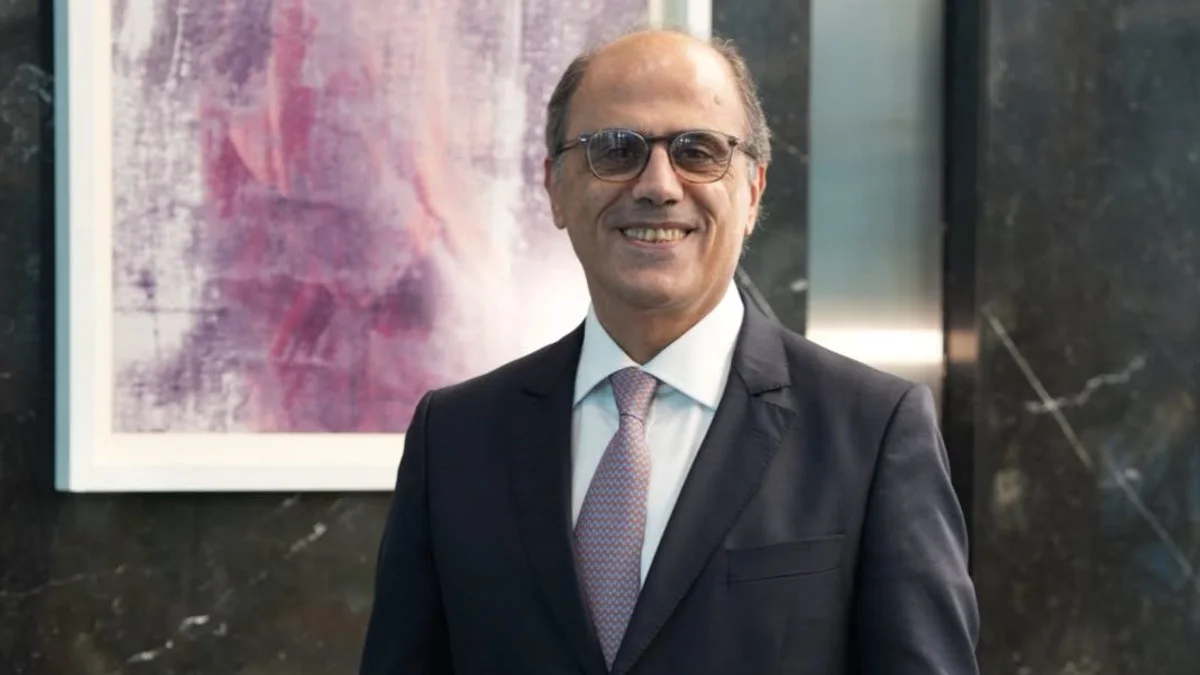
Olivier de Cointet, senior adviser, consumer and retail at Arthur D Little
Parsiegla went on to underline that the market’s growing maturity allows brands like Amouage to prioritize depth over trends. He explained that demand has shifted toward richer concentrations and limited, long-lasting creations.
“Our Exceptional Extraits, Attars, and Essences collection continue to perform exceptionally well in the GCC precisely because they reflect these values: rarity, intricacy, and permanence,” the CEO said.
“For us at Amouage, this region is not a target market, it’s home. It’s where our roots lie and where our vision is constantly challenged and refined. As we continue to expand globally, the GCC remains integral to how we define the meaning of high perfumery in a world that increasingly values quality, craftsmanship, and richness of expression,” Parsiegla added.
GCC’s distinctive scent profile
Parsiegla explained that for centuries, the region has maintained a strong connection to scent — where elements like oud, musk, and frankincense were more than commodities; they were cherished. This enduring bond with natural ingredients has cultivated a bold and distinctive scent identity.
“Unlike markets where perfumery is more seasonal or trend-driven, the GCC has developed its own codes such as layering, incense (Bakhoor), and oud which have been passed on through generations. These are not habits; they’re traditions. And in that sense, the scent profile here reflects a lived aesthetic that values intensity, permanence, and resonance,” he said.
“At Amouage, we don’t approach this profile as outsiders. We were born into it. And what makes the GCC unique is not just the preference for bold or opulent compositions, but the discernment behind those preferences. There’s an expectation here that perfume should move you, intellectually, emotionally, even spiritually. That’s a high standard to meet, but also an inspiring one,” the CEO added.
Saudi artisans and the increasing global demand for oud
Saudi Arabia’s oud makers and exporters are expanding to keep up with rising global demand — estimated at $6 billion a year, according to newsletter Aramco World — while preserving their traditional craftsmanship.
According to Olivier de Cointet, senior adviser, consumer and retail at Arthur D Little, traditional extraction methods continue to be central to oud production, with a strong commitment to preserving the rich, complex scent — described as earthy, animalic, and leathery — that has made it a prized luxury ingredient among perfumers globally.

The govern-ment’s export promotion arm is likewise opening doors abroad through training, trade missions, and support programs.
Sundeep Khanna, partner, consumer and retail at Arthur D Little
“To keep up with demand, Saudi oud exporters are also innovating in sustainable sourcing. They have forged supply chains with Southeast Asian partners, and some major perfume houses invest directly in agarwood plantations abroad to secure high-quality supply. At home, new initiatives encourage cultivating Aquilaria trees on Saudi soil. For example, the project launched this year in Madinah to grow agarwood trees locally,” de Cointe said.
Vision 2030’s role transforming oud into a premium export
As part of Vision 2030, Saudi Arabia has identified fragrances — particularly oud — as a key non-oil export to support economic diversification and generate employment opportunities.
From ADL’s side, Sundeep Khanna, partner, consumer and retail, explained that government efforts are enabling local fragrance brands to grow internationally and highlight Saudi artistry. In 2024, for example, Al-Majed for Oud became one of the first Saudi perfume companies to announce a public listing.
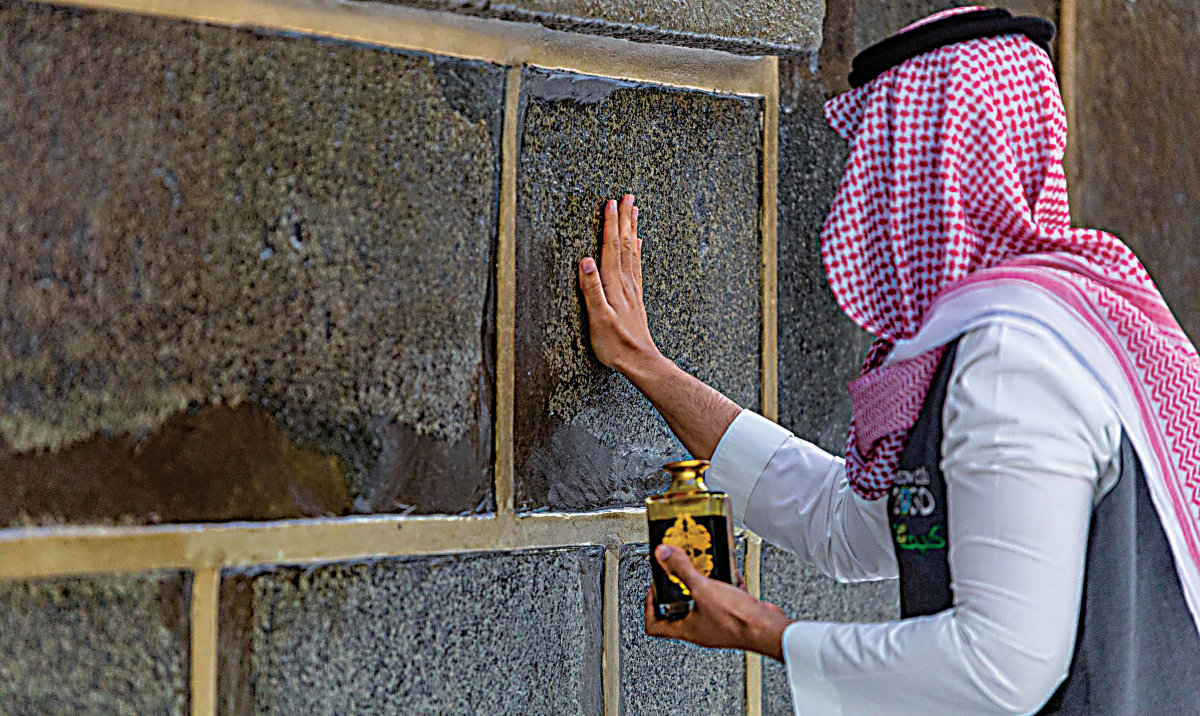
“The government’s export promotion arm is likewise opening doors abroad through training, trade missions, and support programs — part of a broader push that lifted Saudi non-oil exports to a record SR515 billion in 2024,” Khanna said.
He added that a critical driver is Vision 2030 tying cultural heritage to economic value, with programs such as “Year of Handicrafts 2025.”
Growth, sustainability of Saudi Arabia’s oud industry
Sustainability is now central to oud’s future, and ADL’s de Cointet highlighted that with wild agarwood at risk, Saudi Arabia is turning to cultivated trees and biotech solutions to safeguard supply.
Government projects such as the Madinah farms aim to domesticate oud production, while global producers explore lab-grown methods to produce resin without harming natural forests.
“Looking ahead, collaborations with luxury brands are expected to further boost the Saudi oud industry’s visibility and sophistication. Saudi perfume houses increasingly work with renowned perfumers and luxury houses on exclusive editions and scent development,” he said.
Partnerships to boost oud value
Speaking on behalf of ADL, Khanna shed light on how Saudi Arabia is tapping into partnerships with leading global fragrance houses, like Penhaligon’s 2024 AlUla launch, to elevate oud’s value and reposition it as a contemporary economic asset.
“Saudi Arabia is also forging direct collaborations and knowledge exchanges with luxury brands to enrich its local industry. The National Museum in Riyadh recently hosted ‘Perfumes of the East’ – an international exhibition, with France as a key partner, that immersed visitors in Arab perfume heritage and included workshops by perfumers like Christopher Sheldrake,” he said.
The ADL partner added that such events connect Saudi artisans with global experts, spurring innovation in blending traditional oud oil with modern techniques.