- The broader ceasefire plan includes many unanswered questions
CAIRO: Israel’s Cabinet early Friday approved President Donald Trump’s plan for a ceasefire in the Gaza Strip and the release of all the remaining hostages held by Hamas, a key step toward ending a ruinous two-year war that has destabilized the Middle East.
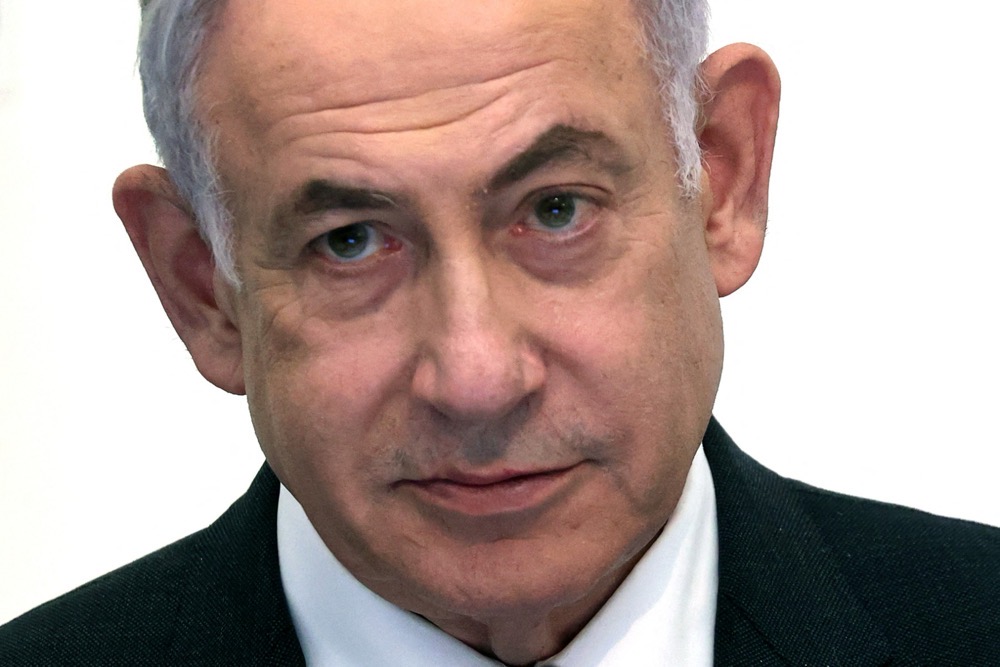
A brief statement from Prime Minister Benjamin Netanyahu’s office said the Cabinet approved the “outline” of a deal to release the hostages, without mentioning other aspects of the plan that are more controversial.
The broader ceasefire plan included many unanswered questions, such as whether and how Hamas will disarm and who will govern Gaza. But the sides appeared closer than they have been in months to ending a war that has killed tens of thousands of Palestinians, reduced much of Gaza to rubble, brought famine to parts of the territory and left dozens of hostages, living and dead, in Gaza.
The war, which began with Hamas’ deadly attack on Israel on Oct. 7, 2023, has also triggered other conflicts in the region, sparked worldwide protests and led to allegations of genocide that Israel denies.
Some 1,200 people were killed in the Hamas-led assault, and 251 were taken hostage. In Israel’s ensuing offensive, more than 67,000 Palestinians have been killed in Gaza and nearly 170,000 wounded.
In the hours leading up to the Israeli Cabinet’s vote, Israeli strikes continued. Explosions were seen Thursday in northern Gaza, and a strike on a building in Gaza City killed at least two people and left more than 40 trapped under rubble, according to the Palestinian Civil Defense.
At least 11 dead Palestinians and another 49 who were wounded arrived at hospitals over the past 24 hours, Gaza’s Health Ministry said.
An Israeli military official who spoke on the condition of anonymity in line with military guidelines said Israel was hitting targets that posed a threat to its troops as they reposition. Hamas blasted Israel over the strike, saying Netanyahu was trying to “shuffle the cards and confuse” efforts by mediators to end the war in Gaza.
A senior Hamas official and lead negotiator made a speech Thursday laying out what he says are the core elements of the ceasefire deal: Israel releasing around 2,000 Palestinian prisoners, opening the border crossing with Egypt, allowing aid to flow and withdrawing from Gaza.
Khalil Al-Hayya said all women and children held in Israeli jails will also be freed. He did not offer details on the extent of the Israeli withdrawal from Gaza.
Al-Hayya said the Trump administration and mediators had given assurances that the war is over, and that Hamas and other Palestinian factions will now focus on achieving self-determination and establishing a Palestinian state.
“We declare today that we have reached an agreement to end the war and the aggression against our people,” Al-Hayya said in a televised speech Thursday evening.
In other developments, US officials announced that they would send about 200 troops to Israel to help support and monitor the ceasefire deal as part of a broader, international team. The officials spoke on condition of anonymity to discuss details not authorized for release.
Cautious celebrations
In the southern Gaza city of Khan Younis, reactions to the announcement of a ceasefire were relatively muted and often colored by grief.
“I am happy and unhappy. We have lost a lot of people and lost loved ones, friends and family. We lost our homes,” said Mohammad Al-Farra. “Despite our happiness, we cannot help but think of what is to come. ... The areas we are going back to, or intending to return to, are uninhabitable.”
In Tel Aviv, families of the remaining hostages popped champagne and cried tears of joy after Trump announced the deal.
In Jerusalem on Thursday, Sharon Canot celebrated with some others.
“We are so excited this morning. We cried all morning,” she said. “It’s been two years that we are in horror.”
Under the terms, Hamas intends to release all living hostages in a matter of days, while the Israeli military will begin a withdrawal from the majority of Gaza, people familiar with the matter told The Associated Press. They spoke on condition of anonymity to discuss details of an agreement that has not fully been made public. Some 20 of the 48 hostages still in captivity are believed to be alive.
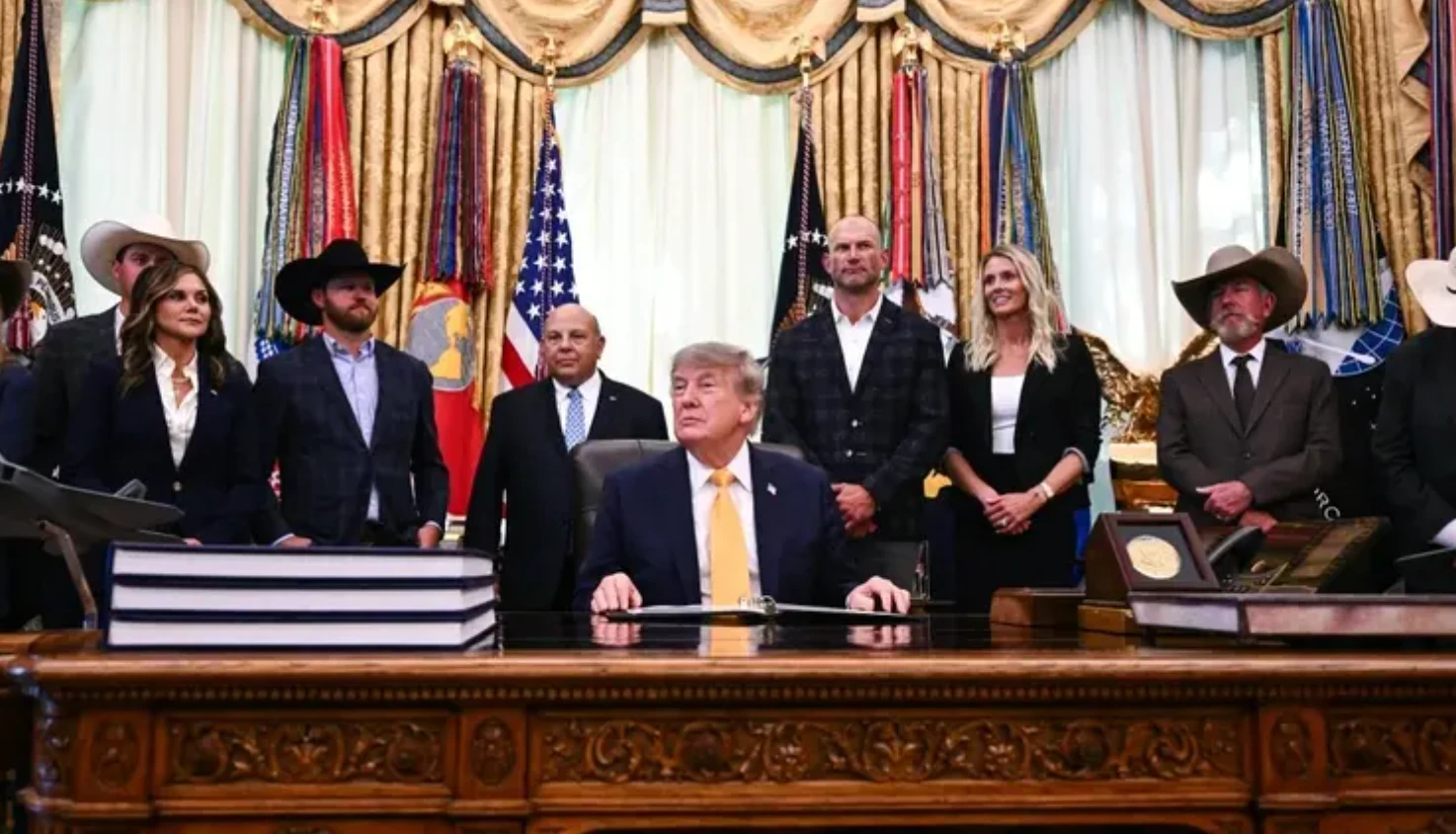
In a short video posted by US Commerce Secretary Howard Lutnick, Trump was seen speaking by phone to a group of elated hostage families.
“They are all coming back on Monday,” said Trump, who is expected to visit the region in the coming days.
Tom Fletcher, the UN humanitarian chief, told reporters Thursday that officials have 170,000 metric tons of medicine, aid and other supplies at ready for transport into Gaza when they are given a green light.
How the deal will unfold
The deal, which was expected to be signed in Egypt, will include a list of prisoners to be released and maps for the first phase of an Israeli withdrawal to new positions in Gaza, according to two Egyptian officials briefed on the talks, a Hamas official and another official.
Israel will publish the list of the prisoners, and victims of their attacks will have 24 hours to lodge objections.
The withdrawal could start as soon as Thursday evening, said the officials, who spoke on condition of anonymity because they were not authorized to be publicly named speaking about the negotiations. The hostage and prisoner releases are expected to begin Monday, the officials from Egypt and Hamas said, though the other official said they could occur as early as Sunday night.
Five border crossings would reopen, including the Rafah crossing between Gaza and Egypt, the Egyptian and Hamas officials said.
The Trump plan calls for Israel to maintain an open-ended military presence inside Gaza, along its border with Israel. An international force, comprised largely of troops from Arab and Muslim countries, would be responsible for security inside Gaza. The US would lead a massive internationally funded reconstruction effort.
The plan also envisions an eventual role for the Palestinian Authority — something Netanyahu has long opposed. But it requires the authority, which administers parts of the West Bank, to undergo a sweeping reform program that could take years.
The Trump plan is even more vague about a future Palestinian state, which Netanyahu firmly rejects.
What comes next for Netanyahu
The days ahead could be politically tricky for Netanyahu, who has been shadowed by an ongoing corruption trial as he navigated the Gaza war.
His grip on power has been largely contingent on the support of hard-line, far-right coalition partners who have urged him to continue operations against Hamas until the group is eliminated.
But Trump on Thursday suggested Netanyahu’s political standing has been bolstered by the ceasefire and hostage deal.
“He’s much more popular today than he was five days ago,” Trump said. “I can tell you right now, people shouldn’t run against him. Five days ago, might not have been a bad idea.”