Saudi non-oil sector to drive 3.5% annual GDP growth through 2028: S&P Global 

Saudi non-oil sector to drive 3.5% annual GDP growth through 2028: S&P Global 
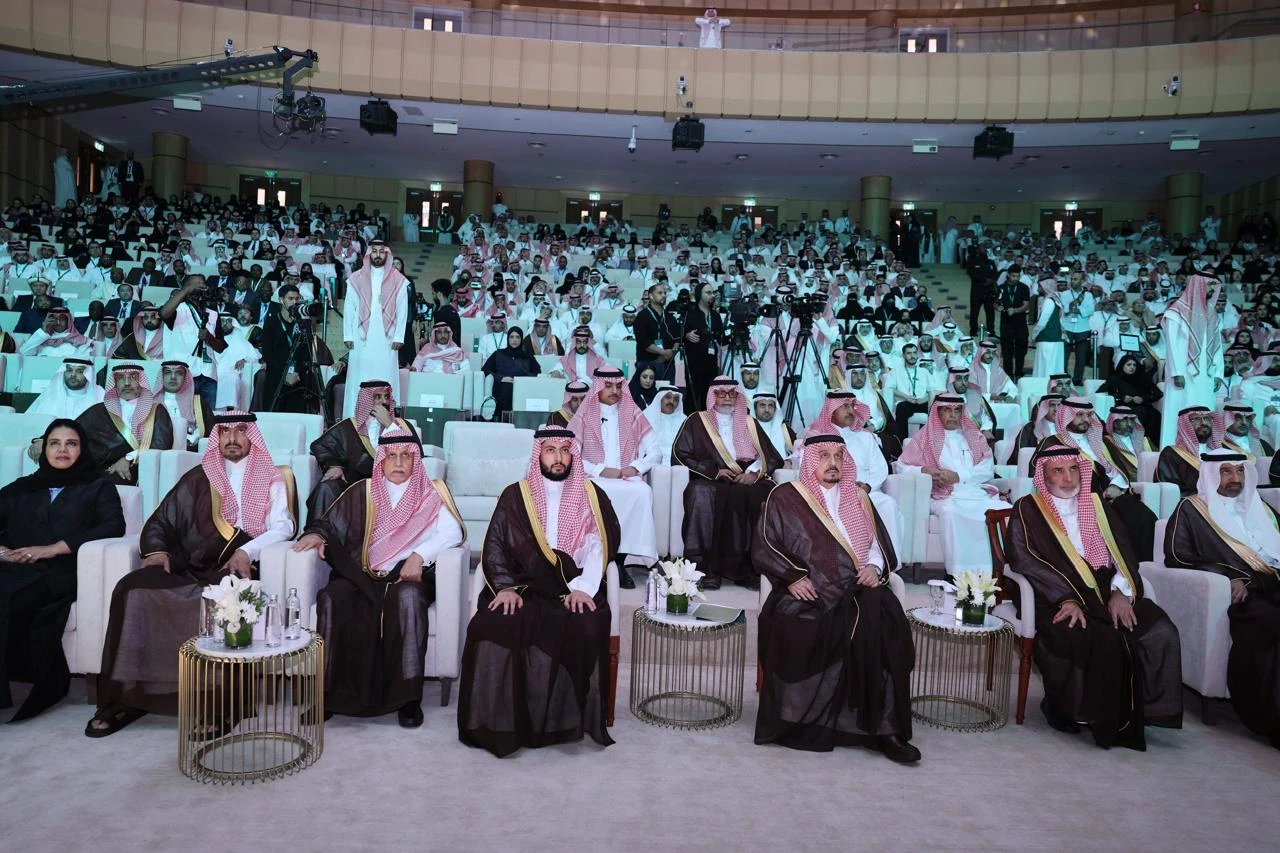
S&P Global recently noted that Saudi Arabia’s Vision 2030 program is transforming the country’s economic landscape. Shutterstock
Short Url
Updated 14 October 2025
Follow

Saudi non-oil sector to drive 3.5% annual GDP growth through 2028: S&P Global 

Saudi non-oil sector to drive 3.5% annual GDP growth through 2028: S&P Global 

RIYADH: Saudi Arabia’s non-oil sector is expected to contribute up to 3.5 percent annually to the Kingdom’s gross domestic product growth between 2025 and 2028, according to an expert from S&P Global. 

In an interview with Asharq Al-Awsat, Hina Shoeb, head of analytics, cross practice ratings at S&P Global Saudi Arabia, said that this growing contribution will be supported by both government and private investments in sectors such as real estate, tourism, and infrastructure. 

This comes as Saudi Arabia’s real GDP grew 3.9 percent in the second quarter, driven by strong non-oil activity that extended its growth streak to 18 consecutive quarters.

Non-oil sectors rose 4.6 percent year on year in April–June, highlighting the Kingdom’s rapid economic diversification. 

She added that the growth of the non-oil sector aligns with the continued economic momentum in the country, resulting from Vision 2030 reforms, which aim to enhance economic diversification and reduce dependence on oil revenues. 

“Non-oil sectors have become a major driver of economic activity in the Kingdom, supported by housing programs, mortgage financing, and the expansion of mega-projects,” Shoeb told Asharq. 

The S&P official added that the economy in the Kingdom is moving toward a sustainable transformation driven by long-term investment spending. 

In August, the International Monetary Fund highlighted the resilience of the Saudi economy, stating that the Kingdom will see GDP growth of 3.6 percent in 2025, accelerating to 3.9 percent in 2026. 

Earlier this month, S&P Global noted that Saudi Arabia’s Vision 2030 program is transforming the country’s economic landscape by creating substantial growth opportunities in the corporate sector and spurring project financing in infrastructure. 

The report added that non-oil activity is expected to contribute approximately 57 percent of GDP in 2025, with this share rising when oil prices decline and falling when they increase. 

In May, Saudi Arabia’s General Authority for Statistics reported that GDP grew 2.7 percent year on year in the first quarter, driven by strong non-oil activity. 

Commenting on these figures at that time, Minister of Economy and Planning Faisal Alibrahim, who chairs GASTAT’s board, said the contribution of non-oil activities reached 53.2 percent of the Kingdom’s economic output — up 5.7 percent from previous estimates. 

He added that Saudi Arabia’s economic outlook remains positive, supported by structural reforms and high-quality, state-led projects across multiple sectors. 

Saudi Arabia, Canada explore ways to enhance cooperation in technology, innovation 

Saudi Arabia, Canada explore ways to enhance cooperation in technology, innovation 
Updated 04 November 2025
Follow

Saudi Arabia, Canada explore ways to enhance cooperation in technology, innovation 

Saudi Arabia, Canada explore ways to enhance cooperation in technology, innovation 

RIYADH: Saudi Arabia’s technology and innovation partnership with Canada is set to receive a boost after senior ministers met to explore new avenues of cooperation and strengthen trade ties. 

Saudi Minister of Investment Khalid Al-Falih said in a post on X that he met with Canada’s Minister of Artificial Intelligence and Digital Innovation Evan Solomon to discuss ways to strengthen relations between the countries and to build partnerships that contribute to mutual economic growth, particularly in priority investment sectors. 

This comes as trade between the two nations continues to expand. In February, Saudi Arabia exported SR641 million ($170 million) to Canada, marking an 86.6 percent increase from SR344 million in February 2024, according to data from the Observatory of Economic Complexity.

It also follows an agreement in January 2024 for both countries to re-exchange trade delegations to enhance economic relations and boost trade and investment flows. 

In a subsequent post on X, Al-Falih stated: “The dialogue took place between me and Anita Anand, the Canadian Minister of Foreign Affairs, in the presence of the Saudi ambassador to Canada, Amal Yahya Al-Moallimi.” 

He added: “We discussed supporting and strengthening relations between our two countries, and facilitating investment exchange, in order to achieve more fruitful cooperation in the most important sectors, which will bring success to both peoples.” 

Artificial intelligence has become a central pillar of Saudi Arabia’s post-oil economic strategy, with the Kingdom leveraging advanced technologies to drive data-led industries and automation. 

Now at the halfway point of Vision 2030, the country is accelerating efforts to position itself as a global technology leader, balancing innovation with sustainability goals. 
Key initiatives — including the Project Transcendence program, valued at around $100 billion — aim to further establish Saudi Arabia as a global hub for AI innovation. 

Over the past five years, Saudi Arabia has made significant progress toward establishing itself as a regional artificial-intelligence hub. PwC projects that AI could contribute about $235 billion — or 12.4 percent — to the Kingdom’s gross domestic product by 2030.