- The bank projects 1 percent growth this year, but warns the rebound remains “extraordinarily uncertain”
- As the government courts investors, security challenges and cash shortages threaten lasting recovery
LONDON: Syria’s battered economy is projected to grow by 1 percent this year after a 1.5 percent contraction in 2024, the World Bank said in its latest report.
It warned that the modest rebound remains “extraordinarily uncertain,” as the war-ravaged nation struggles with dwindling aid, tight cash flows and persistent insecurity.
Economic data from Syria remains “extremely scarce and hard to come by,” Jean-Christophe Carret, the bank’s Middle East director, said in the July report.
He described the macroeconomic review as an effort to close key information gaps and lay the groundwork for future growth policies.
Economist Karam Shaar, who heads the Syria-focused consulting firm Karam Shaar Advisory, said that modest improvement was possible — but far from sufficient. “Syria will see some economic improvement, despite the divisions that still exist,” he told DW Arabia in September.

He added that government-held areas are likely to see gradual gains “even amid social divides and a lack of public trust.”
Still, the World Bank warned that security threats and difficulties securing oil imports could drive up fuel prices and inflation, further complicating recovery efforts.
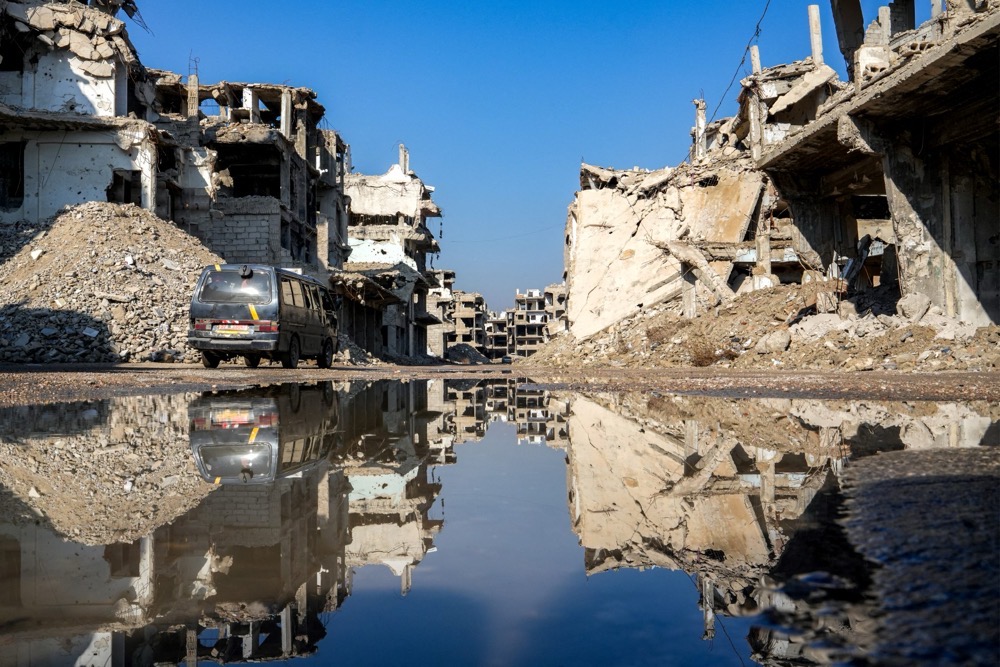
Fourteen years of conflict and Western sanctions have devastated Syria’s economy.
Gross domestic product has fallen by more than half since 2010, and per capita income dropped to about $830 in 2024 — below the international threshold for low-income countries, according to World Bank estimates.
Following Bashar Assad’s ouster, interim President Ahmad Al-Sharaa, former commander of the armed opposition group Hayat Tahrir Al-Sham, took control of most of the country after a rapid offensive that captured Damascus on Dec. 8.
The new administration has sought to attract investment and aid, but the World Bank said that a severe cash shortage, disrupted currency circulation and limited access to banknotes have intensified a liquidity crunch, squeezing already struggling households and businesses.
According to Benjamin Feve, a senior research analyst at Karam Shaar Advisory, security — not politics — will determine Syria’s recovery.
“There are credible pathways for a broad-based recovery, and I don’t think that political change will be that important for economic recovery,” he told Arab News.
“What is preventing broad-based economic recovery is the security aspect of Syria,” he said. “So, before the security issues get really under control, we won’t be seeing any sort of huge, large investments.”
Violence in the coastal region and in the southern province of Suweida this year has had “a chilling effect on investment,” he said.
“We’ve been working with private-sector companies, and after the clashes and massacres in Suweida, they withdrew their interest. Since then, we haven’t seen any significant recovery or a return to pre-Suweida levels of interest in the Syrian economy.”
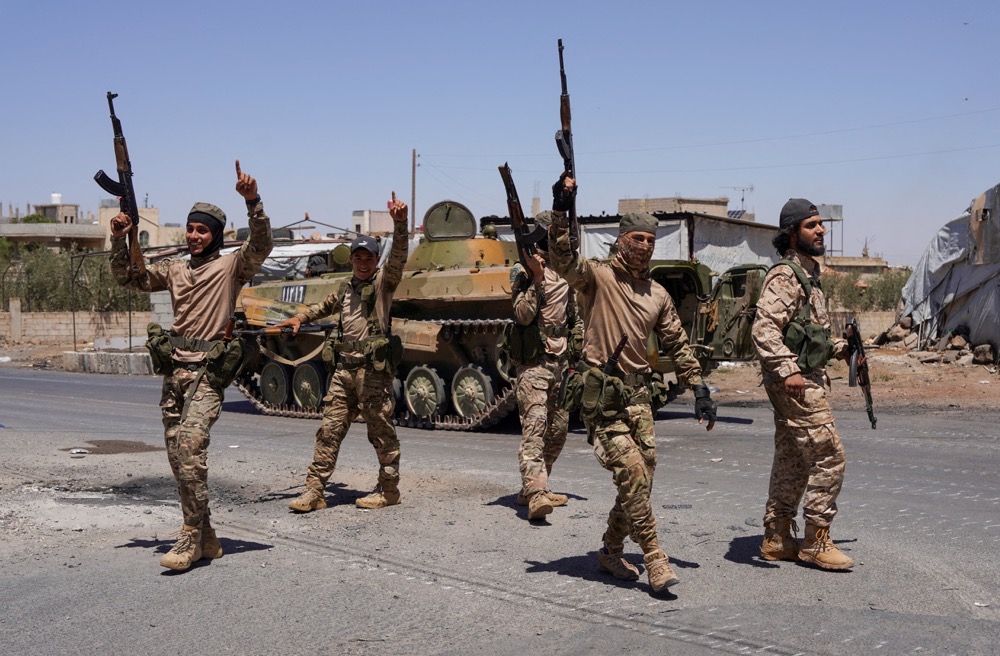
In March, the Alawite community in Latakia and Tartus came under attack, following clashes between remnants of pro-Assad forces and transitional government troops.
Gunmen entered towns, interrogated residents about their religion, and executed those identified as Alawite, often through close-range shootings and torture, according to a Human Rights Watch report released Sept. 23.
Sectarian violence spread south the following month, as members of the Druze community in Suweida and the Sahnaya district near Damascus were targeted amid disputes over autonomy and political integration.
Tensions flared again in mid-July, when clashes between Bedouin and Druze militias escalated into widespread sectarian attacks that killed hundreds — many of them civilians, according to rights groups — before Israel struck Syrian government targets and US mediation helped broker a ceasefire.
In late September, US President Donald Trump extended the national emergency related to Syria, describing the situation as an “extraordinary and unusual threat” to US national security and foreign policy, citing risks including Daesh, war crimes, human rights violations and narcotics trafficking linked to the former regime.
Even so, Shaar pointed to several positive signs: The easing of Western sanctions, policy harmonization between the northern and government-held regions, a modest recovery of key resources, and a trickle of returning foreign investment.
Indeed, most international sanctions originally aimed at the Assad regime have been lifted. The US ended its Syria Sanctions Program on July 1, while the EU suspended and later lifted most sanctions by mid-2025.
Although the Caesar Act remains in effect, it is currently suspended under temporary waivers.
Shaar cautioned against over-optimism. “In economics, this is called the ‘base effect’ — when the starting point is very low, as happened in Syria during the war, any sound policy, correct action or partial lifting of sanctions will naturally lead to improvement,” he said.
The World Bank echoed that view, noting that while partial sanctions relief offers some upsides, frozen assets and restricted access to global banking channels continue to choke energy supplies, block assistance, and constrain trade and investment.

Samir Aita, chair of the Paris-based Circle of Arab Economists, told Arab News that the World Bank had downplayed the broad impact of sanctions, which have affected “all economic sectors, including agriculture.”
Regional engagement, particularly from Gulf states and Turkiye, could also support Syria’s recovery, the World Bank said in its macroeconomic review.
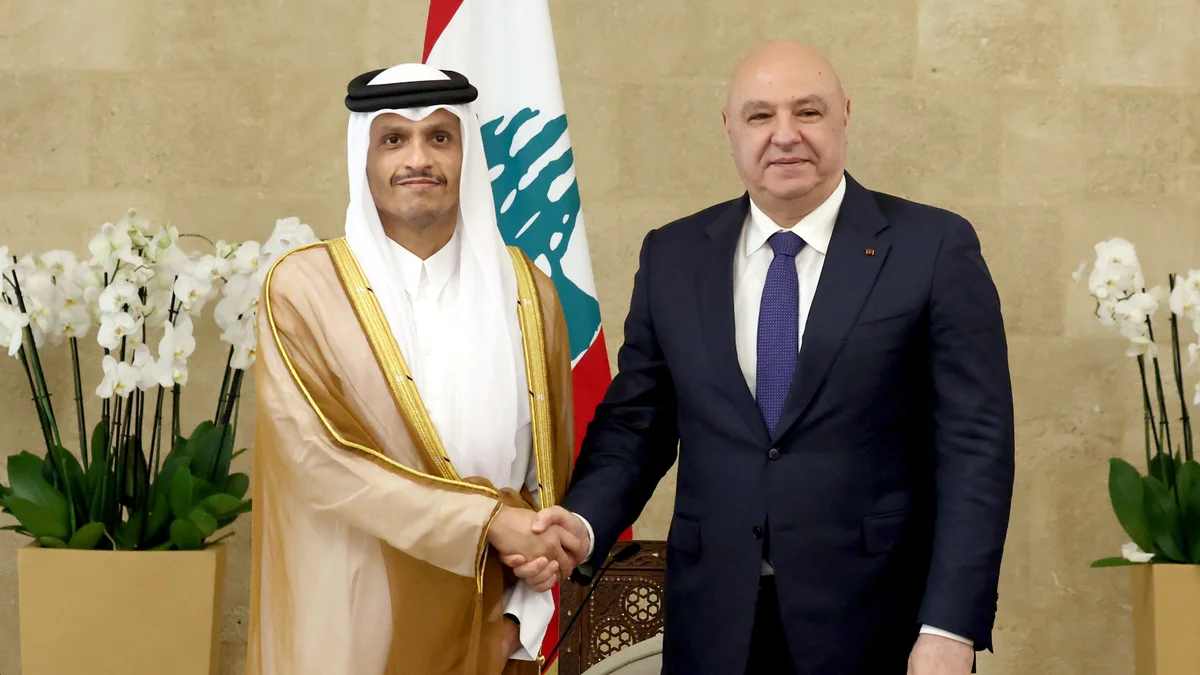
In May, the World Bank confirmed that Qatar and Saudi Arabia repaid Syria’s $15.5 million debt, enabling the bank’s renewed involvement. Since then, the government has announced several major investment agreements aimed at rebuilding infrastructure.
In July, Saudi Arabia signed 47 memorandums of understanding worth $6.4 billion, mostly in infrastructure, real estate, telecommunications and tourism, Reuters reported.
In August, Syria signed a $4 billion deal with Qatar’s UCC Holding to build a new Damascus airport, a $2 billion agreement with a UAE firm to develop a subway system, and a $2 billion project with Italy’s UBAKO for the Damascus Towers real estate development.
In late September, state media reported $1.5 billion in new tourism contracts.
Many of these MoUs, however, remain nonbinding. “Overwhelmingly, the MoUs signed by the government are not translating into formal contracts,” Jihad Yazigi, editor-in-chief of The Syria Report, told Arab News.
INNUMBERS
• 50 percent Decline in Syria’s GDP between 2010 and 2020.
• $830 The country’s GNI per capita in 2024.
• 90 Percentage of the population living below the poverty line.
(Source: World Bank, UN)
“Of the many billions of dollars of contracts signed, only one — related to the management of the port of Tartus and signed with Dubai Ports — was translated into a formal contract,” he said.
He argued that the government’s presentation of MoUs as binding deals, especially with the interim president attending the signing ceremonies, “raised unrealistic expectations,” similar to how it overstated the impact of sanction relief.
“By doing so, (the government) raised expectations a lot — the same way it raised expectations when sanctions were lifted, or rather reduced, because they were not entirely lifted,” Yazigi said.
The Karam Shaar Advisory also noted in a September report that available information indicates that many partner companies are newly established and may lack the capacity to carry out large projects.
“The business environment in Syria remains very challenging — security-wise, politically, in infrastructure, the absence of an efficient financial sector, and the lack of funding for major reconstruction projects — there is none of this,” Yazigi said.
“When people are misled, it creates a legitimacy and credibility problem for future announcements.”
Still, he acknowledged growing interest from Syrian expatriates and foreign investors, even if tangible results remain limited “because of the difficult business environment.”
The World Bank’s report notes that the interim government has begun unifying fiscal and monetary policies and strengthening public financial management.
To attract investors, Feve highlighted the need for “clarity in legislation — particularly regarding the investment law, taxes and incentives for private investors.”
“Until a new parliament is in place, I don’t expect much progress on that front,” he said. “Having a functioning parliament will be crucial, and I hope it will be able to pass laws that bring stability and predictability to the economy.”
He added: “Businesspeople in Syria are also waiting for this clarity,” noting that “while some amendments have been made to the 2021 investment law, they are still not enough.
“From what I know, Saudi investors, for example, expect much more in terms of regulation and legislation.”
Syria’s transitional government, operating under a five-year interim constitution ratified in March, continues to struggle to build cohesive governance amid disputes with Kurdish-led groups in the northeast and Druze factions in the southwest.

Feve said that a unified parliament will be “essential in designing a roadmap for reconstruction and recovery,” adding that “quick, well-crafted laws could boost investor confidence and transparency.”
“The key is to do it intelligently,” he added. “It’s encouraging that 200 new members of parliament will be tasked with drafting legislation and using their technical expertise to guide the process.
“Right now, we don’t even know who’s drafting presidential decrees, and some of them contradict one another — the system is opaque. Hopefully, a functioning parliament will increase transparency, boost investor confidence, and help drive economic recovery.”
Feve warned that “without clear priorities, investors end up signing agreements for projects like subway systems or new airports — initiatives that don’t match the country’s most urgent needs.”
Syria held its first parliamentary elections since Assad’s fall on Oct. 5, though 21 seats remain unfilled after polls were postponed for “security reasons” in two Kurdish-controlled provinces — Raqqa and Hasakah — and in Suweida, the interim authorities said.
Election officials admitted “significant shortcomings,” noting that only 13 percent of contested seats went to women and minorities.
Reintegration of Syria’s fractured geography could improve growth forecasts.
Aita said that the World Bank’s 1 percent growth projection underestimates actual conditions because “it relies on data from the Assad-controlled areas only,” which excluded the newly unified regions, namely the northwest.
He said that the GDP of both the northeast and the northwest “were comparatively significant.”
“This creates confusion on how to interpolate Syria’s economic growth in 2025, from the data of the ex-regime area to the now united areas with the northwest,” he said. “The next analysis should address the whole of Syria, with insights into the remaining divides.”
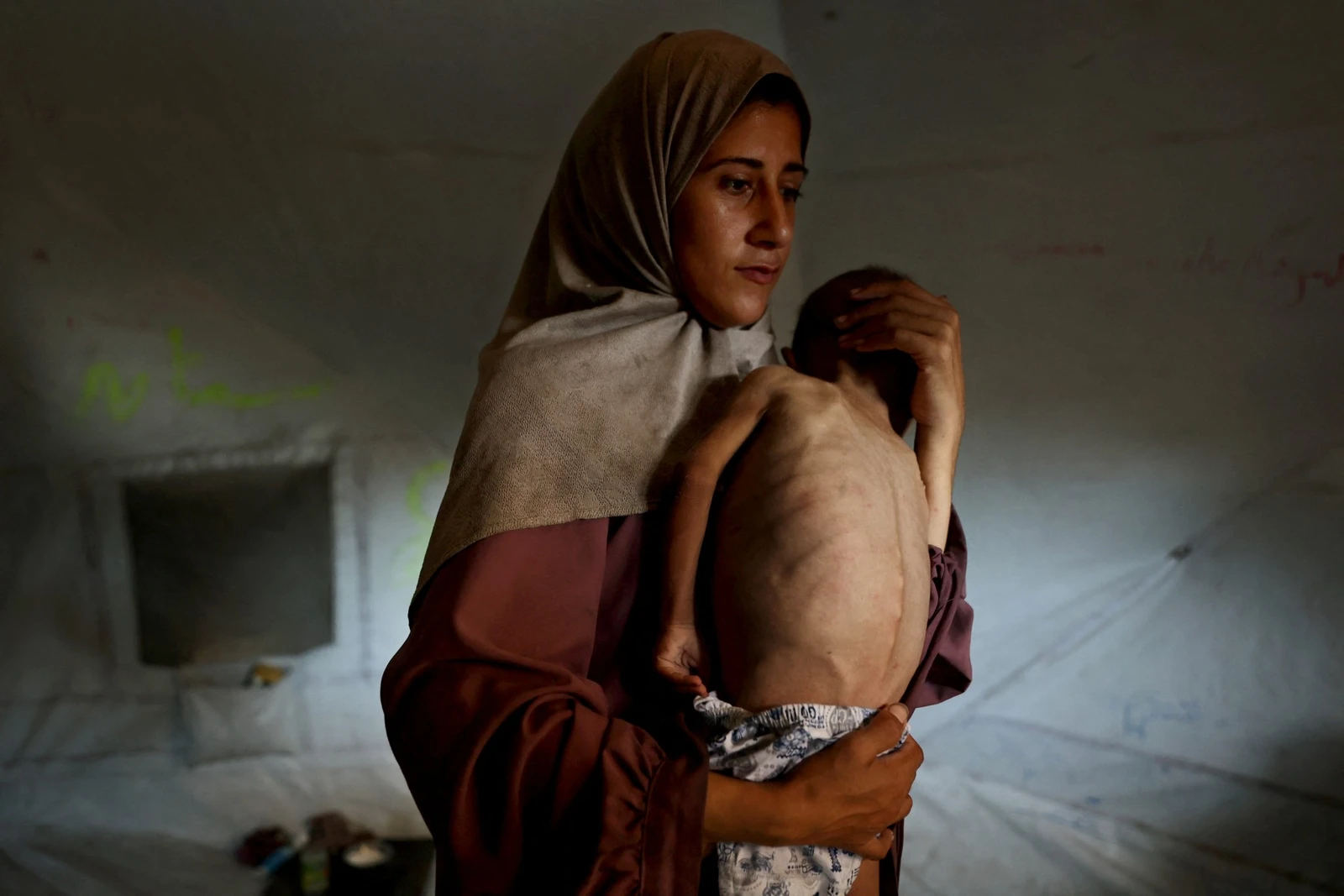
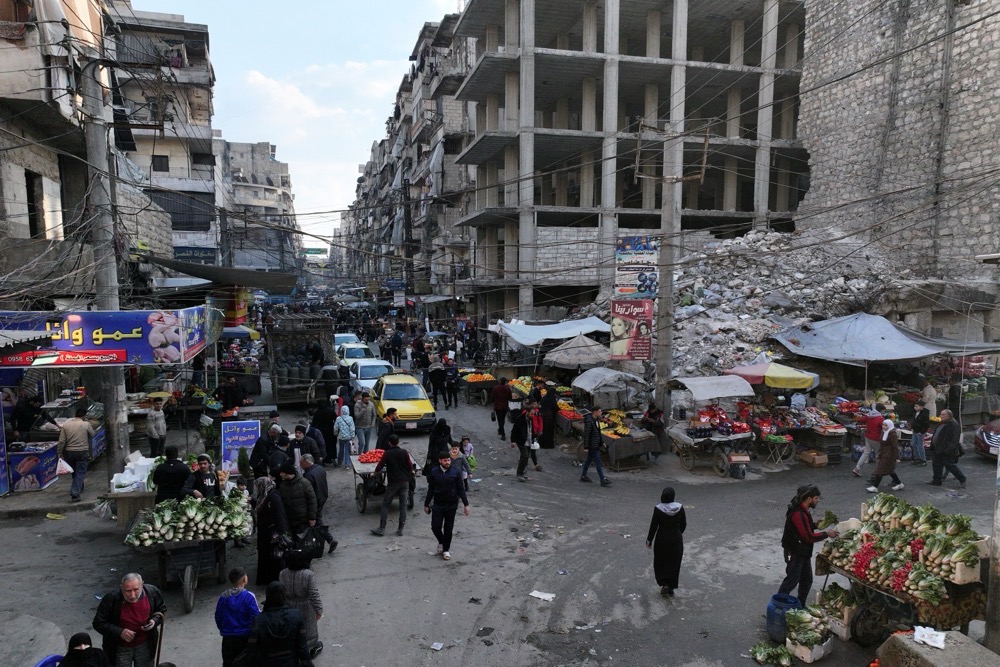
Yet beneath projections of recovery, ordinary Syrians are sinking deeper into hardship, struggling each day to secure even the most basic necessities.
More than 90 percent of the population lives below the poverty line, according to UN figures. The World Bank says one in four Syrians lives in extreme poverty, and two-thirds fall below the lower-middle-income threshold.
Syria ranked sixth globally in the Nov. 2024-May 2025 Hunger Hotspot Outlook by the UN’s Food and Agriculture Organization and the World Food Programme.

About 14.6 million people are food insecure, including 9.1 million acutely and 1.3 million severely food insecure, while another 5.4 million are at risk of hunger.
Inflation, currency collapse and soaring prices for essentials such as food, rent and fuel have driven living costs to crisis levels.
Many households now depend on remittances, multiple income sources and coping strategies such as selling assets or cutting health and education spending simply to survive.