RIYADH: French transport firm Alstom is executing 12 active railway projects across Saudi Arabia, revealed the company’s CEO for Saudi Arabia and the Middle East.
In an interview with Al-Eqtisadiah during the Saudi International Railway Exhibition and Conference, Mohamed Khalil said the projects cover the full spectrum of rail services, including design, execution, operation, and maintenance.
Alstom is a major contributor to Riyadh’s metro network, providing rolling stock and systems for four of the six lines.
Saudi Arabia’s rail transport sector recorded a 335 percent year-on-year surge in passengers to 39 million in the third quarter of 2025, fueled by the full launch of the Riyadh Metro.
“Saudi Arabia is witnessing a boom in railway projects, and many cities are experiencing internal growth, so they need to connect cities like Jeddah, Dammam, and Al-Ula, in addition to Al-Ula and Riyadh,” Khalil told Al-Eqtisadiah.
He also pointed to the performance of the Riyadh Metro as evidence of a shifting public transport culture. Despite initial skepticism about its use in a hot climate, the metro has recorded approximately 100 million passengers in its first nine months of operation, establishing itself as a primary mode of daily transport.
Positioning Alstom as a “global local company” in Saudi Arabia, Khalil stressed the company's deep-rooted presence. “We have been here for 70 years, and we aspire to continue for hundreds of years to come, to be an essential part of the infrastructure supporting the growth and development of the railway industry in Saudi Arabia,” he concluded.
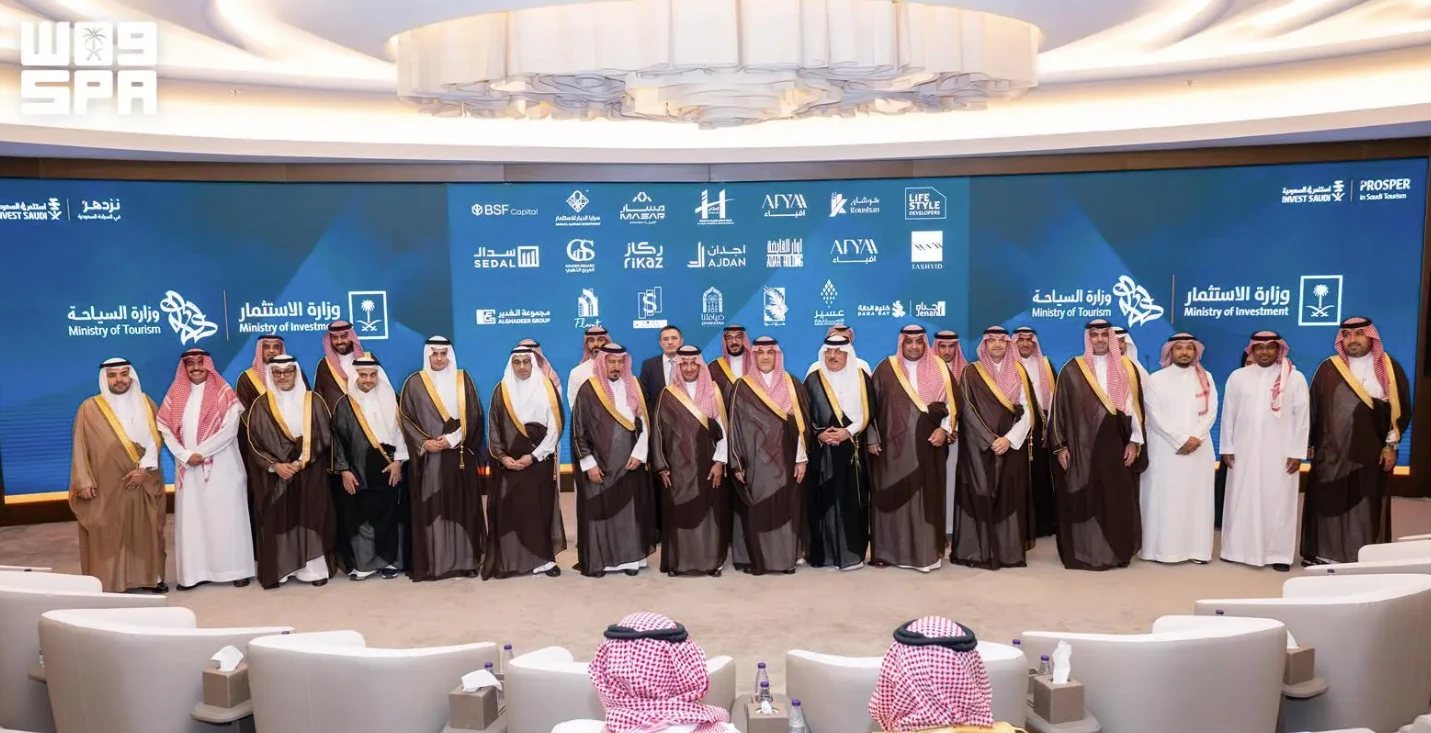
The conference was inaugurated by Saudi Arabia’s Minister of Transport and Logistics Services, Saleh Al-Jasser, who highlighted the significant leaps the sector is witnessing.
He emphasized that modern rail transport has become a fundamental pillar for national development and economic growth, facilitating trade and mining operations.
In a separate statement, Bashar Al-Malik, CEO of the Saudi Railways Co., confirmed that Saudi Arabia is working on implementing the remaining parts of a railway line that will link it to other Gulf Cooperation Council countries.
A 200-km section connecting Dammam to Ras Al-Khair via Jubail is already complete and operational. The final timeline for the GCC-wide rail link is pending approval from the Gulf states’ leaders.
Saudi Arabia’s railway network now spans over 5,500 km, including the northern network connecting Riyadh to the Jordanian border, the eastern network linking Riyadh to the Arabian Gulf coast.
The Haramain High-Speed Railway, which connects the holy cities of Makkah and Madinah with one of the world's fastest electric trains.