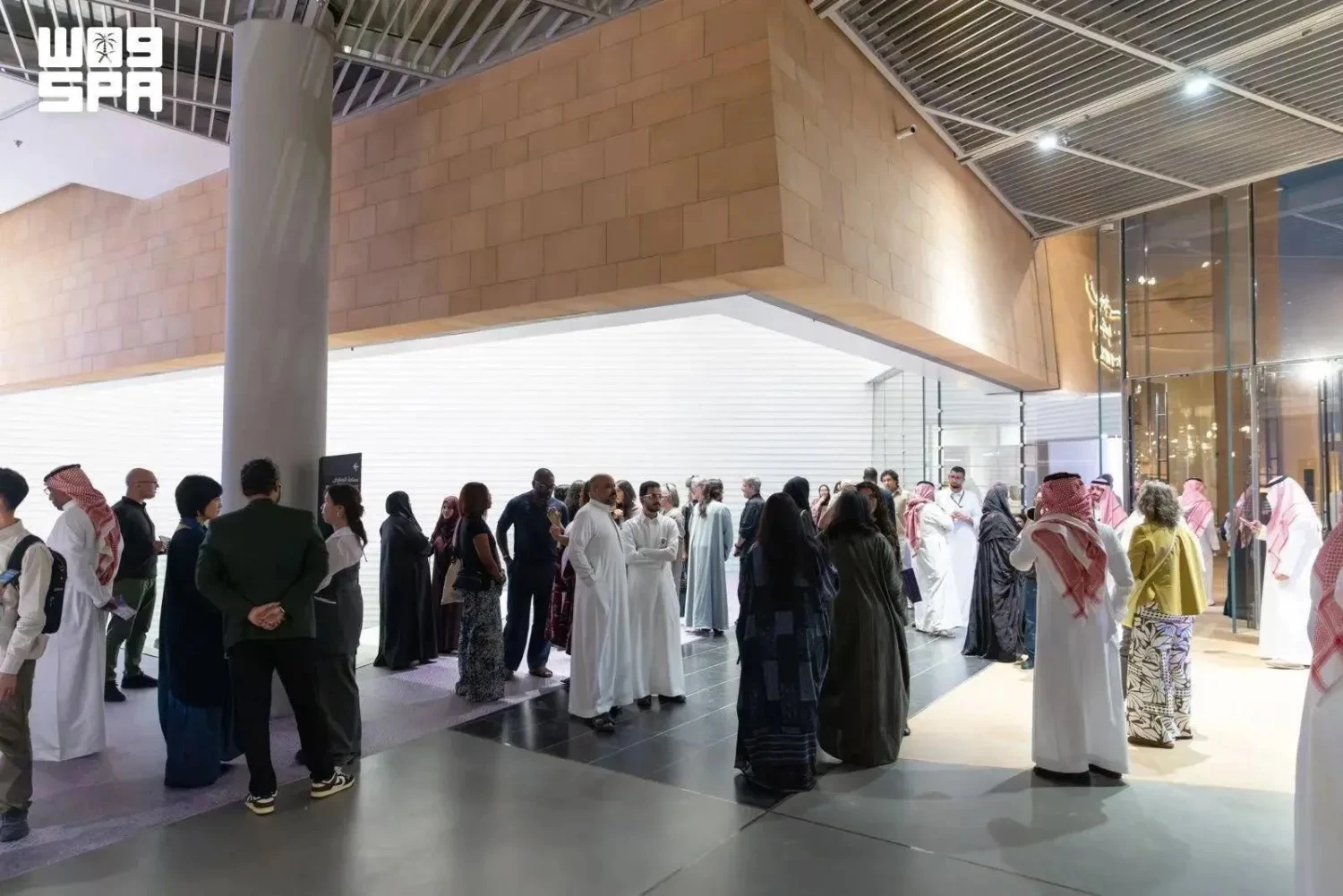
RIYADH: On Oct. 27 at the Global Health Exhibition in Riyadh, the Jameel Arts & Health Lab, in collaboration with the World Health Organization, unveiled the regional launch of its photo essay showcasing how the arts “can support health and wellbeing across cultures, with a focus on underserved communities.”
The photo essay — on display at the Riyadh Exhibition & Convention Center until Oct. 30 — is the first part of the Jameel Arts & Health Lab-Lancet Global Series on the Health Benefits of the Arts, billed in a press release as “a landmark international collaboration that will culminate in a full academic series published by The Lancet in early 2026” and based on a 2019 WHO report “highlighting the role of the arts in promoting health, preventing illness and supporting the management and treatment of a variety of health conditions from infancy to old age.”
The series was led by Prof. Nisha Sajnani (co-director at the Jameel Arts & Health Lab and director of Drama Therapy and Arts and Health at NYU Steinhardt), Dr. Nils Fietje (co-director at the lab and technical officer at the World Health Organization Regional Office for Europe) and Stephen Stapleton (a founding co-director of the lab).
“The arts and health fields have their own language and their own protocols, which often acts as barriers for collaboration,” Stapleton says in the press release. “With this series we aimed to break down those barriers by finding a common language accessible to professionals from both disciplines.”
Here, we showcase a few of the 30 images comprising the photo essay.
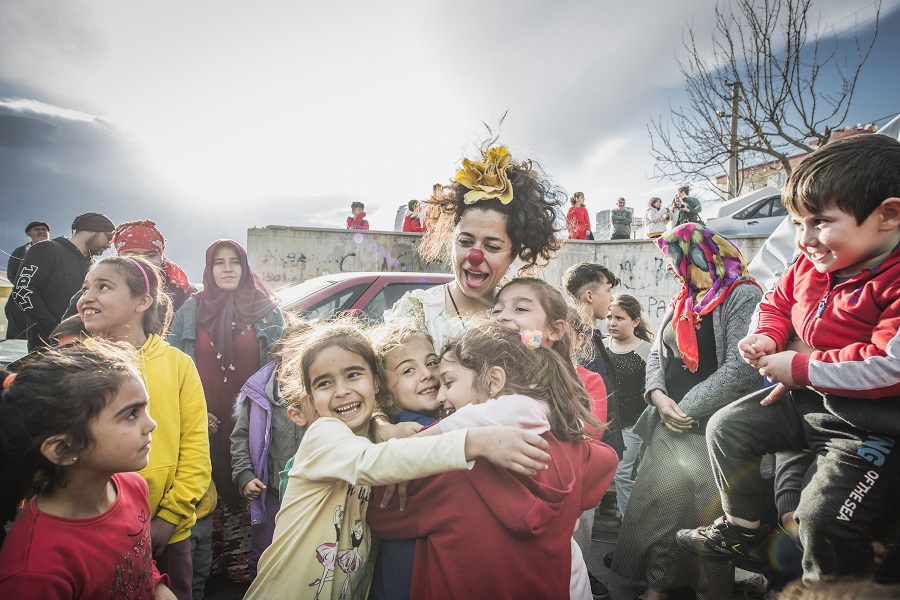
‘Clown Me In’
This image shows a clowning workshop at a refugee camp in Turkiye, led by Sabine Choucair, co-founder of the Lebanon-based association Clown Me In, as part of a project to support communities affected by the 2023 Turkiye-Syria earthquakes, which displaced around 3 million people. A statement from the photo essay curatorial team, led by Stephen Stapleton, explains: “An all-female team reached over 3,400 people across Hatay, Kahramanmaraş, and Islahiye in just 10 days. Drawing on art therapy, theatre, and storytelling, the initiative demonstrated how creative interventions can foster emotional relief, social connection, and hope among displaced and vulnerable populations.”
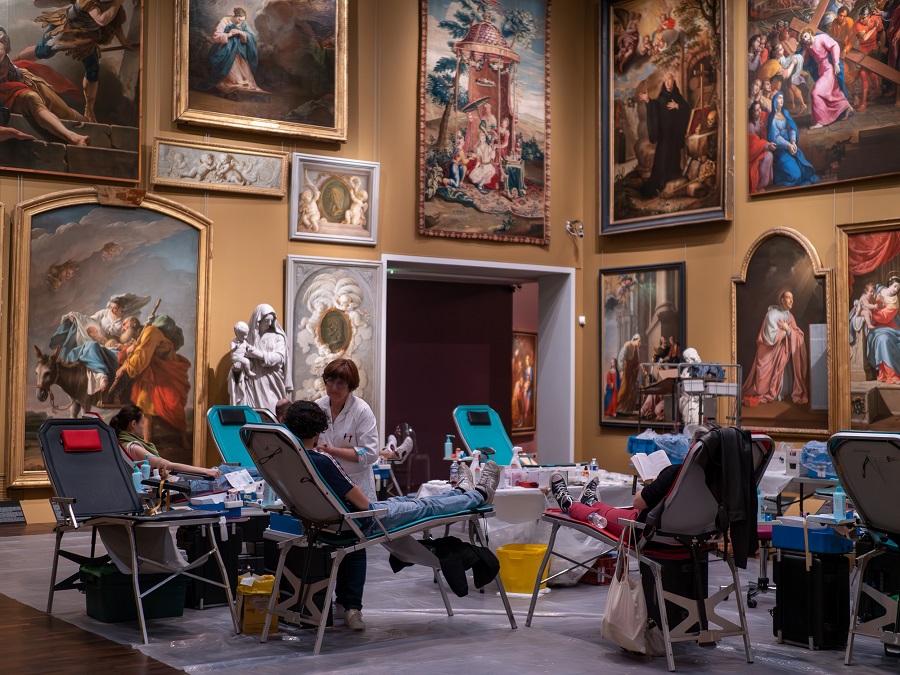
‘Giving Blood at the Museum’
Since 2021, when this photo was taken, the Orléans Museum of Fine Arts in France has hosted monthly blood drives, “transforming the act of donation into a culturally enriching experience,” according to the curatorial team’s statement. “In the Old Masters gallery, medical equipment is placed among paintings, creating a calm and inspiring setting. Donors receive art-themed prompts to encourage reflection and relaxation. This innovative approach … has successfully increased participation, with all appointment slots consistently filled since the program’s launch.”
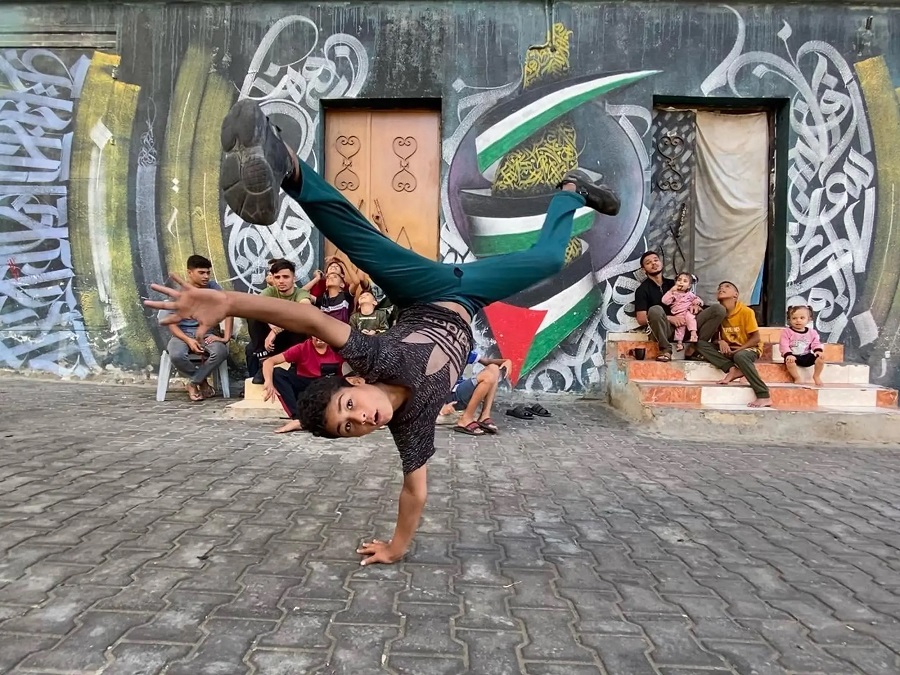
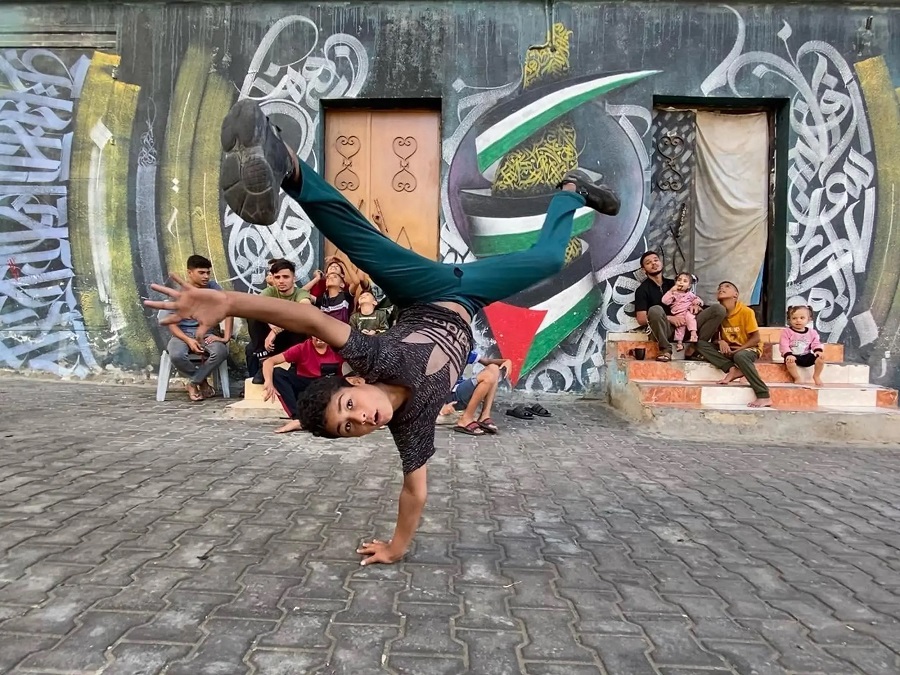
‘Camps Breakerz’
The Camps Breakerz Crew offers breakdance workshops across Gaza’s refugee camps and schools. The workshop in this image took place in 2023. “Founded by Mohamed Ghraiz and Ahmed Alghariz, who grew up in Gaza, the program uses hip-hop culture to support mental health, build community, and create moments of joy. Reaching over 300 children annually, it provides a safe space for expression and connection (and) helps reduce stress, depression, and post-traumatic symptoms through dance,” the statement says.
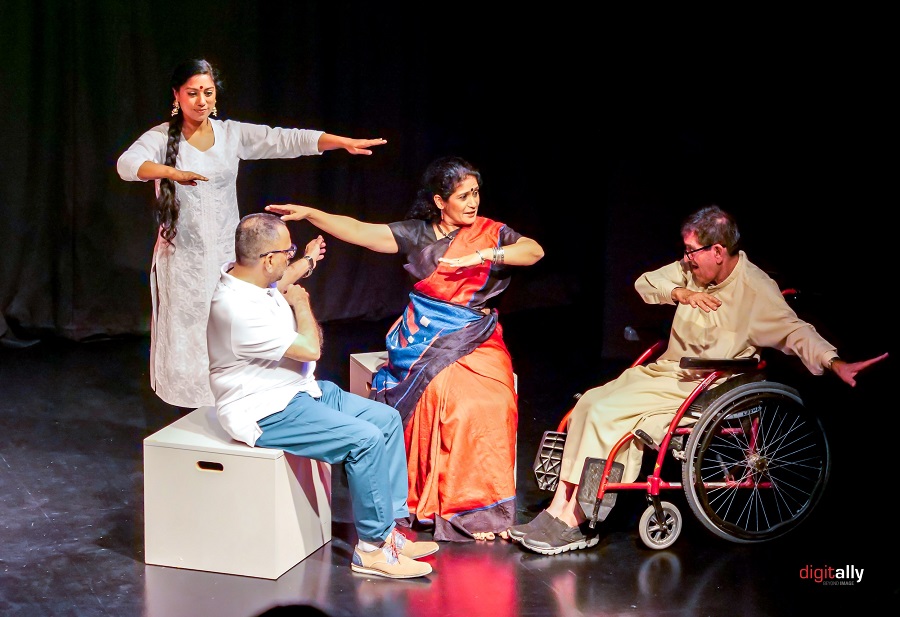
‘Movement is Thy Mantra’
In “Still Dancing,” first performed in Dubai in 2019 (as seen in photo), Dr. Vonita Singh and caregivers guide people with Parkinson’s disease through Kathak dance moves. The show was “conceptualized by Dr. Singh and directed by Sanjeev Dixit of Third Half Theater.” Singh, the founder of Movement Mantra “uses mindful movement to help maintain motor and emotional health,” inspired by her father’s experience with Parkinson’s. “Still Dancing” has been performed in the UAE and India and “demonstrates how classical Indian dance can empower people with Parkinson’s and improve quality of life,” the statement says.
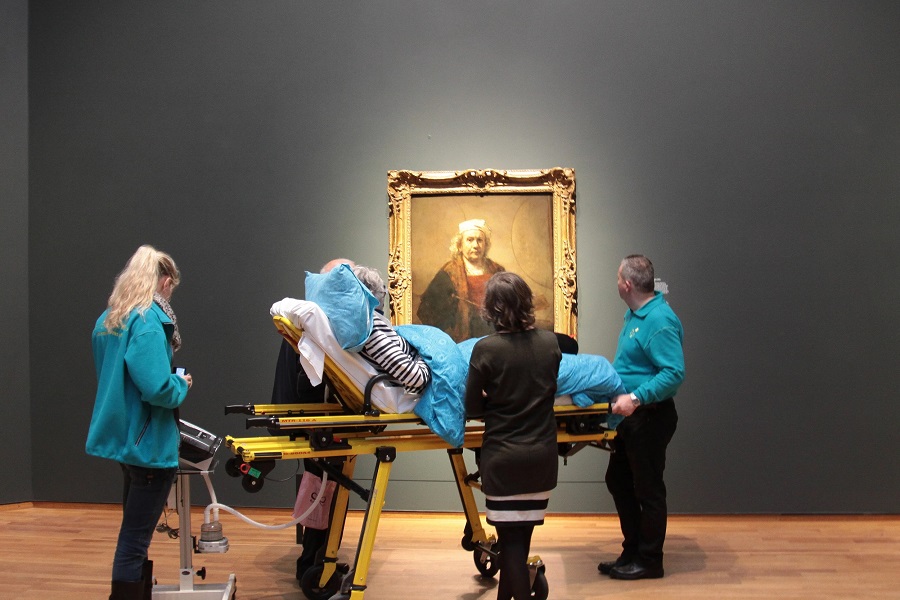
‘A Dying Wish’
Former ambulance driver Kees Veldboer established the Stichting Ambulance Wens Nederland (Netherlands Ambulance Wish Foundation) in 2007 in order to offer the terminally ill “moments of joy in their last days by creating opportunities for them to fulfil their final wishes,” according to the statement. “The program echoes the learning of palliative care programs that integrate psychological and spiritual care alongside pain and symptom relief. This initiative points to a broader approach to the role of museums and their contributions to societal health and wellbeing.” To date, more than 270 medically trained volunteers have helped fulfil the wishes of around 24,000 people.
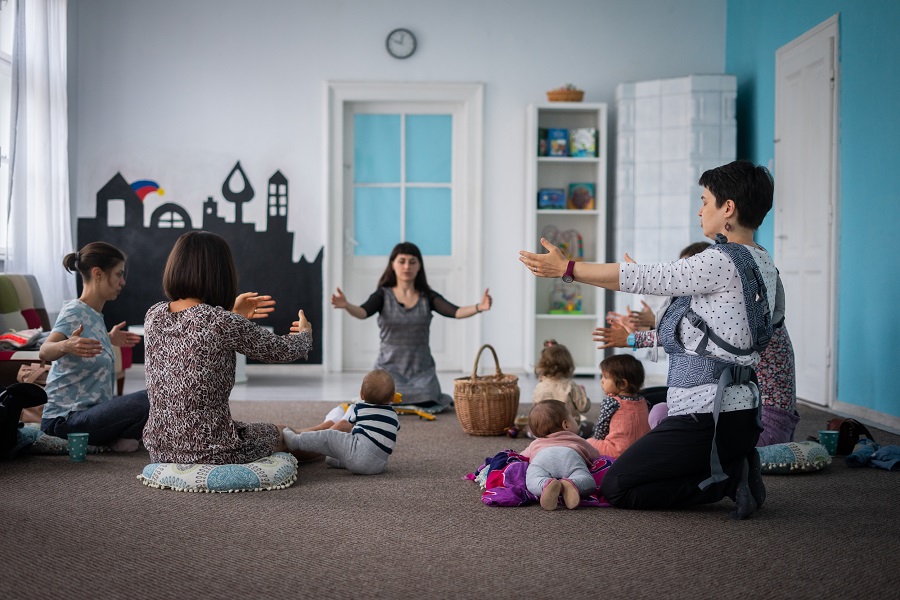
‘Song and Soft Embrace’
This image was taken at the Cluj Cultural Center in Romania and shows a group of mothers who participated in a 10-week singing program “designed to support women experiencing postpartum depression.” The initiative was based on research from the Center for Performance Science and was developed by Breathe Arts Health Research. The statement explains: “The (program) demonstrated music’s potential to ease postpartum depression symptoms and explored how this clinically proven approach could be adapted across diverse cultural and healthcare settings.”
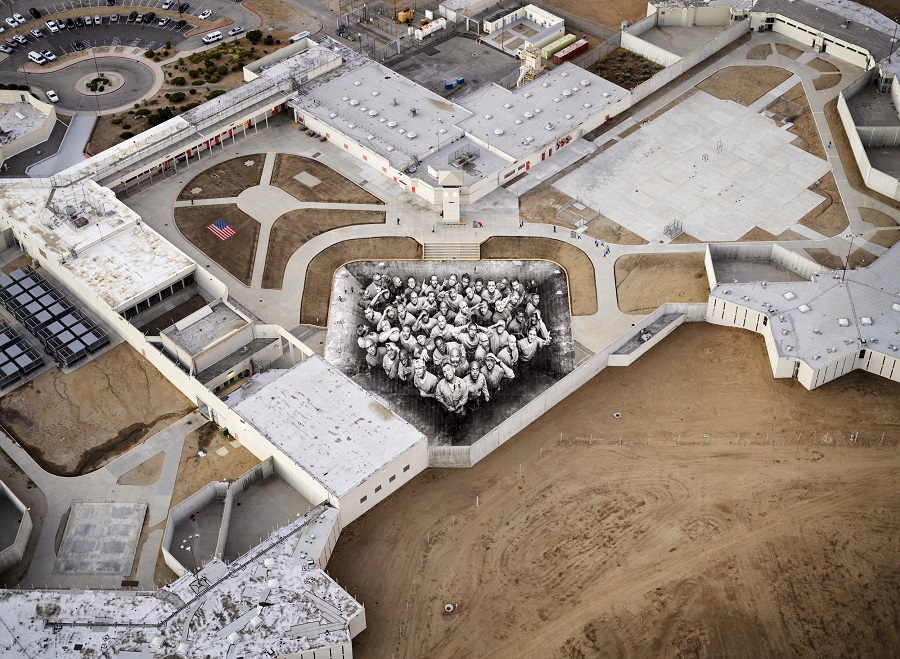
‘Tehachapi, The Yard’
Tehachapi is a level 4 maximum security prison in California. The US-based artist JR and his team photographed some of the prisoners from above. “Each participant was then given the chance to record their story. No specific questions were asked; they had the freedom to express themselves openly and candidly. JR also photographed formerly incarcerated individuals and prison staff, collecting a total of 48 portraits and stories from the prison system,” the statement explains. These images were then pasted onto the ground in the prison’s yard, to create a large-scale installation only clearly discernible from the air, showing former and current prisoners, prison staff, and people who had been victims of crime standing shoulder-to-shoulder. “This naturally ephemeral installation disappeared in 3 days under the footsteps of the prison's population. The project showed the powerful role art can have within a prison context where anxiety, depression, and other mental health issues often go unacknowledged and unaddressed.”