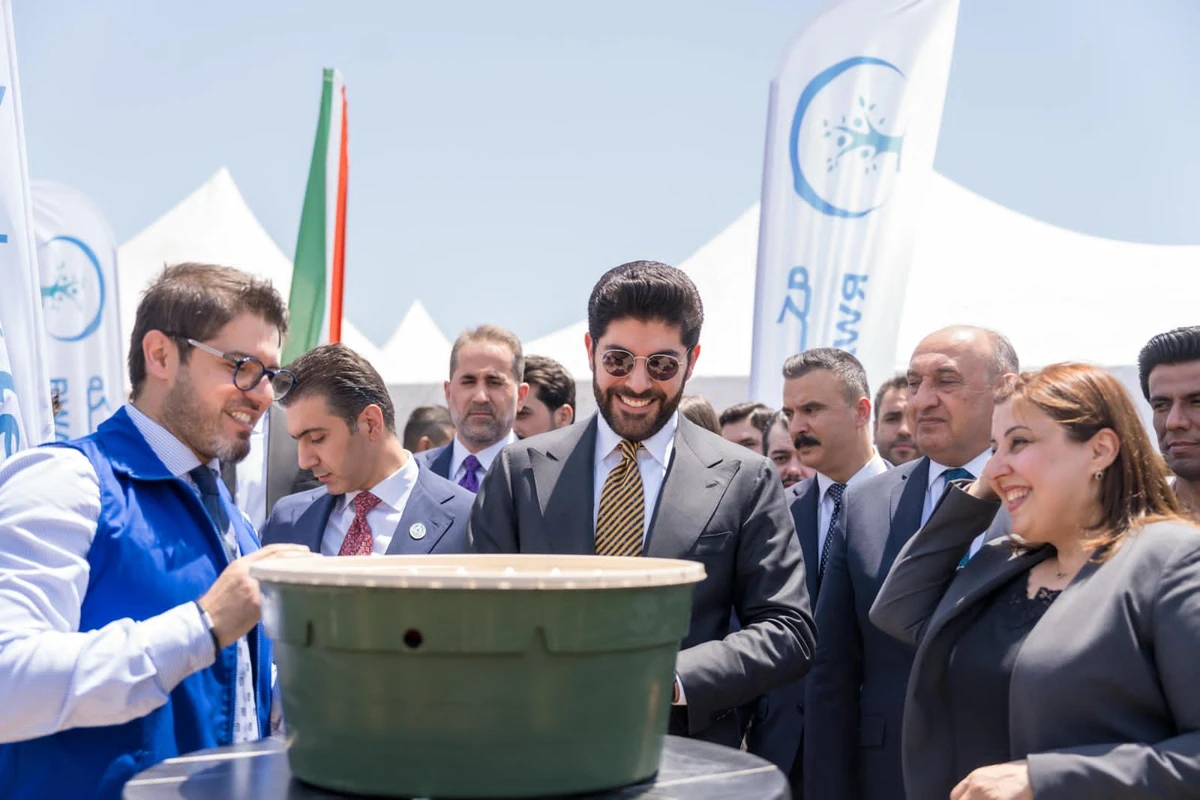
Iraq’s growing network of solar villages is beginning to take a more defined shape, as the Kurdistan region moves ahead with one of its most detailed and community-driven projects to date. The village of Gulak, in the Harir district of Erbil governorate, is now emerging as the flagship example of how renewable energy can be used to both power homes as well as revive rural economies and stabilize communities that have faced years of underdevelopment. With the support of the Rwanga Foundation, the project, which is one of many in support of sustainable development, has moved from concept to implementation far more quickly than earlier attempts, giving it a strong institutional anchor from the outset.
Solar-village pilots have appeared across northern Iraq in recent years, drawing attention from regional and international actors. Earlier initiatives, such as the Kulak solar village, proved that off-grid solar systems could dramatically reduce diesel use and offer a practical solution for remote areas cut off from the national grid. Gulak, however, is being positioned as a more complete model. This project is unique in the way it links energy, agriculture, water, and livelihoods into a single development plan — a design shaped in close coordination with the Rwanga Foundation, which has played a central role in developing the community infrastructure and agricultural components.
According to the detailed project proposal prepared for the village, Gulak has long possessed the elements of a functioning rural economy: nearly 700 livestock, productive pomegranate orchards, a beekeeping tradition, and women who run small home-based enterprises. Despite this, the village has struggled with poor water access, weak infrastructure, unreliable electricity and limited pathways to market, leaving most of its economic potential untapped.
The new initiative seeks to change this by reorganizing village life around renewable energy and local production. In Gulak, solar systems will power a new water-pumping network designed to end chronic shortages, along with street lighting and basic services. Road rehabilitation and the renovation of community facilities, including the village hall and mosque, are integral parts of the plan, alongside efforts to re-green the area with fruit trees, ornamental trees and a more reliable irrigation strategy. Waste segregation, composting and recycling will also be introduced as part of a wider environmental effort.
At the center of the project is a new community farm and processing facility that will allow villagers to turn their existing produce into higher-value goods. Pomegranate juice, vinegar, and seed oil, dairy products, honey and wool will all be processed locally rather than being sold raw or under-priced to intermediaries. For the first time, Gulak will be able to market its products under a single collective label and sell directly to markets in Erbil and elsewhere. The facility is also expected to generate income by offering services to neighboring villages that lack similar equipment. The Rwanga Foundation has been instrumental in designing this facility, ensuring that it reflects local needs and can be managed sustainably by the community.
Women are expected to be major beneficiaries. The proposal prioritizes women’s access to the new equipment and training programs, building on the home-based production work many already carry out. Village leaders and development planners believe this will create new sources of income and strengthen the role of women within the local economy.
The wider context is Iraq’s increasingly severe climate and energy challenges. Rising temperatures, shrinking water resources and chronic electricity shortages have left rural communities vulnerable. For authorities in Baghdad and Irbil, solar villages offer a way to keep these communities viable, reduce migration pressures, and create more sustainable livelihoods. International coverage has noted how off-grid living is becoming a serious part of Iraq’s response to environmental strain. In this landscape, the Gulak project stands out precisely because it is backed by a well-established organization like the Rwanga Foundation, which has a track record of taking community projects from planning to long-term operation.
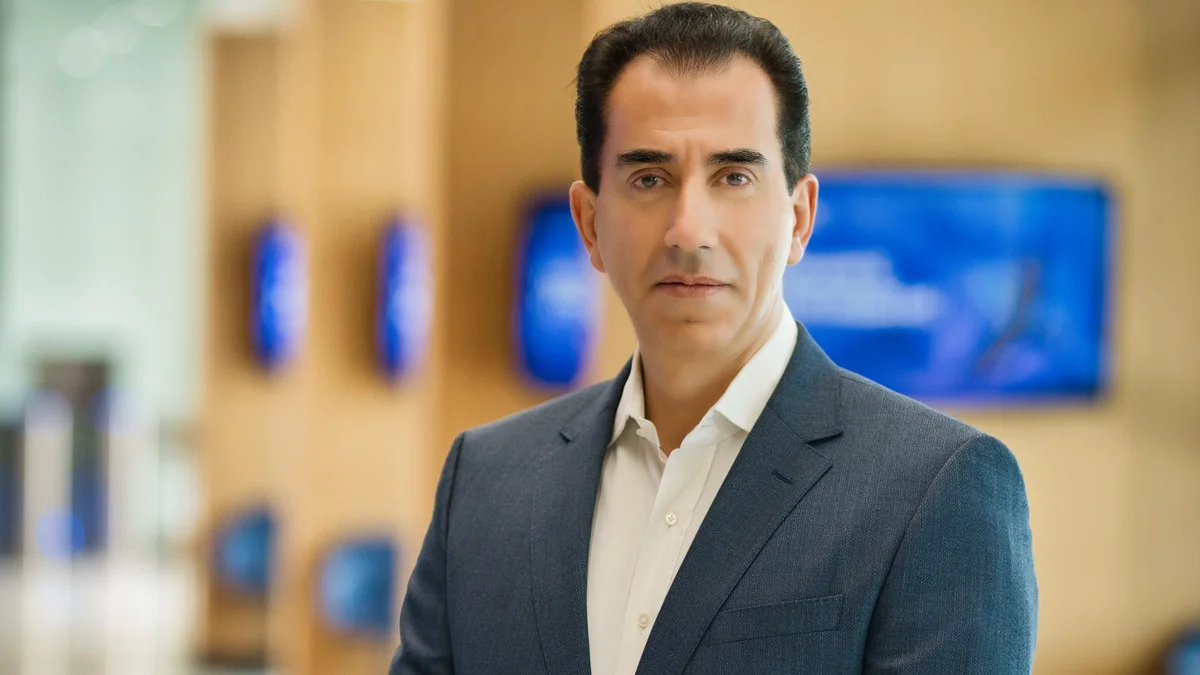
For those involved in the Gulak project, the goal is not charity but long-term stability. “Our sustainable villages in Iraq and Kurdistan region aren’t charity projects; they’re proof that even in the most difficult places, we can break the cycle of dependency and create permanent, self-reliant communities rooted in hope, ecological balance, and human dignity,” said Rwanga Foundation Founder and President Idris Nechirvan Barzani.
If successful, Gulak could become the Kurdistan region’s clearest demonstration of how renewable energy can underpin a wider rural revival. The project is structured so that the community itself will manage operations, with training provided in business management, equipment use, food safety and environmental practices. The expectation is that, once the system is running, the village will be able to finance ongoing maintenance and expansion through product sales and service fees.
For Iraq, Gulak offers a practical example of what sustainable development can look like in real terms. Gulak will be a village that generates its own power, manages its own resources and builds its own economy from local strengths. As more rural areas look for ways to remain viable in the face of climate pressure, the model taking shape in Gulak is likely to draw close attention. It will serve as a living example of what a resilient community can become when energy and development are planned together rather than in isolation — and Rwanga Foundation’s involvement ensures the project has the institutional continuity to last far beyond its launch phase.
sponsored
Rwanga Foundation’s Gulak project shows how solar power can rebuild rural communities