



ISLAMABAD: Islamabad police have launched large-scale search operations across the capital on Tuesday, a spokesman said, deploying additional personnel and checking hundreds of residents, vehicles and businesses, as Pakistan tightened security ahead of a possible new round of talks between the United States and Iran.
Nearly 20,000 security personnel have been deployed across Islamabad, though uncertainty remains over whether and when the negotiations will take place.
The White House has confirmed that a US delegation led by Vice President JD Vance is expected to travel to Islamabad for talks ‘soon,’ following an initial round of discussions held in the Pakistani capital on April 11. However, Iran has signaled reluctance to participate amid rising tensions with Washington.
“Special checking points have been established at the entry and exit routes of the city to ensure effective monitoring,” the Islamabad police spokesperson said in a statement, adding that all patrolling units and special squads were active across the city.
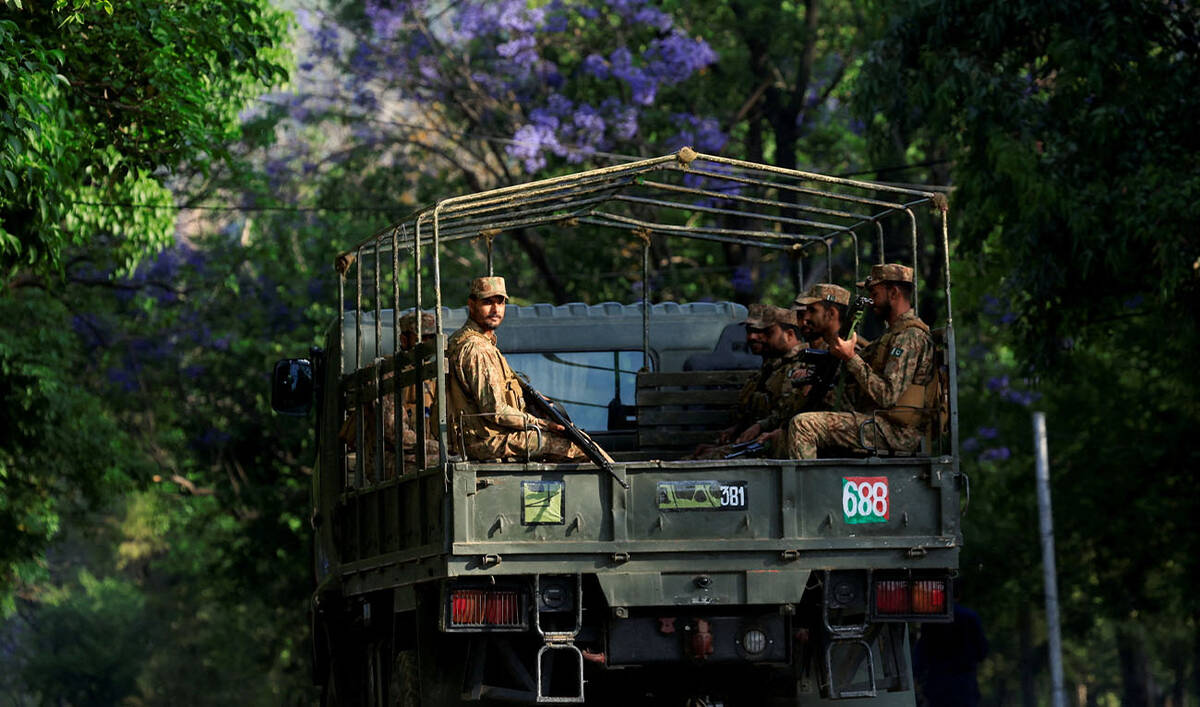
Pakistani army soldiers patrol at D Chowk near the President's House, as Pakistan prepares to host the U.S. and Iran for the second phase of peace talks in Islamabad, Pakistan April 21, 2026. (Reuters)
The spokesperson said joint combing and search operations were carried out in multiple areas, including Tarnol, Khanna, Karachi Company, Golra and Sihala, under the supervision of senior officers.
During the operations, police checked 743 individuals and 307 households, along with 95 shops and 46 hotels. A total of 272 motorcycles and 96 vehicles were also inspected.
Police said 39 suspicious individuals, including three Afghan nationals, and 18 motorcycles were shifted to police stations for further verification, while one suspect was arrested for illegal possession of a weapon.
As security measures were beefed up on Tuesday and the capital remained in virtual lockdown, uncertainty prevailed over the fate of the talks.
Citing a diplomatic source in Islamabad, Iranian state news agency IRNA denied reports that a delegation from Tehran was present in the Pakistani capital.
“The diplomatic source told IRNA today that no official or unofficial information has been received about any Iranian presence in the Islamabad talks,” IRNA said.
Top officials in Tehran chided Washington over its blockade of Iranian ports and Sunday’s seizure and boarding of an Iranian commercial vessel, the Touska, which they called ceasefire violations that were obstacles to diplomacy.
“We do not accept negotiations under the shadow of threats,” Iran’s parliament speaker Mohammad-Bagher Ghalibaf said on social media platform X, criticizing US actions in the region.
Pakistan, which has positioned itself as a key mediator between the two sides, has continued diplomatic engagement in an effort to bring both parties back to the negotiating table.
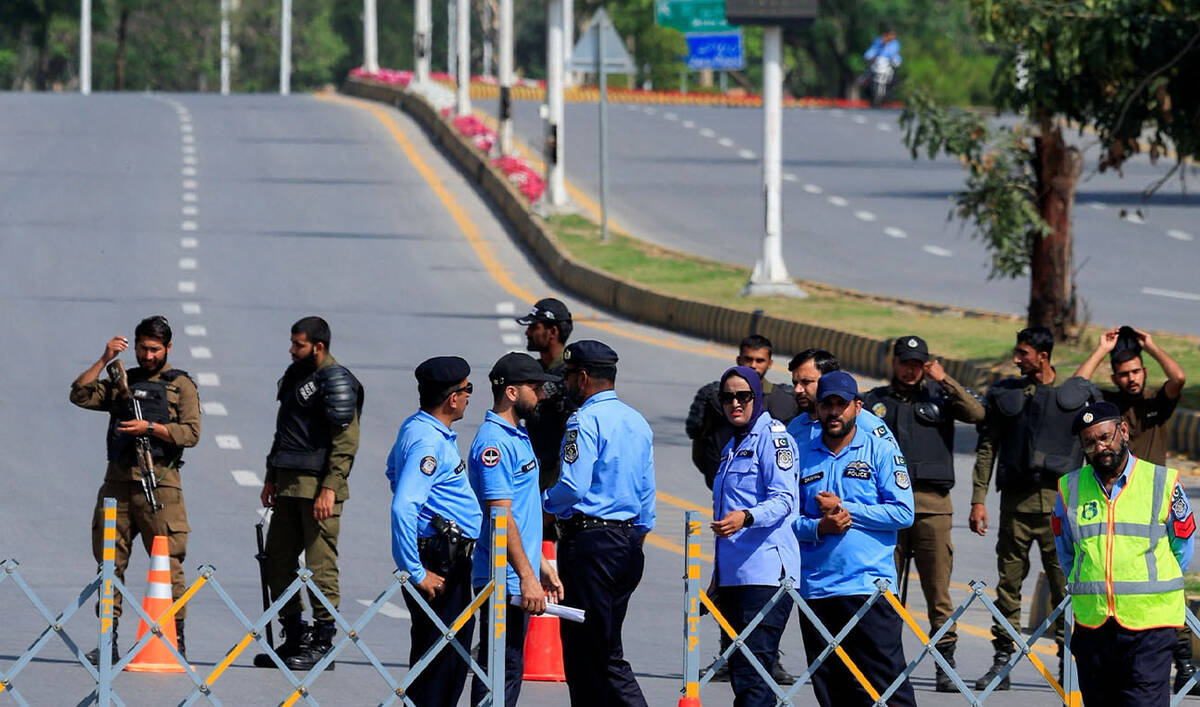
Police officers stand guard on a road leading to the Serena Hotel, as Pakistan prepares to host the U.S. and Iran for the second phase of peace talks in Islamabad, Pakistan, April 21, 2026. (Reuters)
The first round of talks in Islamabad on April 11 lasted more than 20 hours but ended without a breakthrough, with both sides remaining divided over Iran’s nuclear program, sanctions and broader security issues. The discussions marked the highest-level engagement between the two countries since the 1979 Islamic Revolution.
Thousands of people have been killed by US-Israeli strikes on Iran and in an Israeli invasion of Lebanon conducted in parallel since the war began on February 28. The war triggered a historic shock to global energy supplies and fears that prolonged conflict could push the global economy to the brink of recession.
US President Donald Trump wants an agreement that would prevent further oil price rises and stock market shocks but has insisted Iran cannot have the means to develop a nuclear weapon. Tehran hopes to leverage its control of the Strait of Hormuz — which typically handles roughly one-fifth of the world’s oil and liquefied natural gas supply — to strike a deal that averts a restart of the war, eases sanctions but does not impede its nuclear program.
Washington has not specified when a two-week ceasefire agreed earlier this month will end. A Pakistani source involved in the talks said it would expire at 8 p.m. Eastern Time on Wednesday, or midnight GMT or 3:30 a.m. Thursday in Iran.
With additional inputs from Reuters





