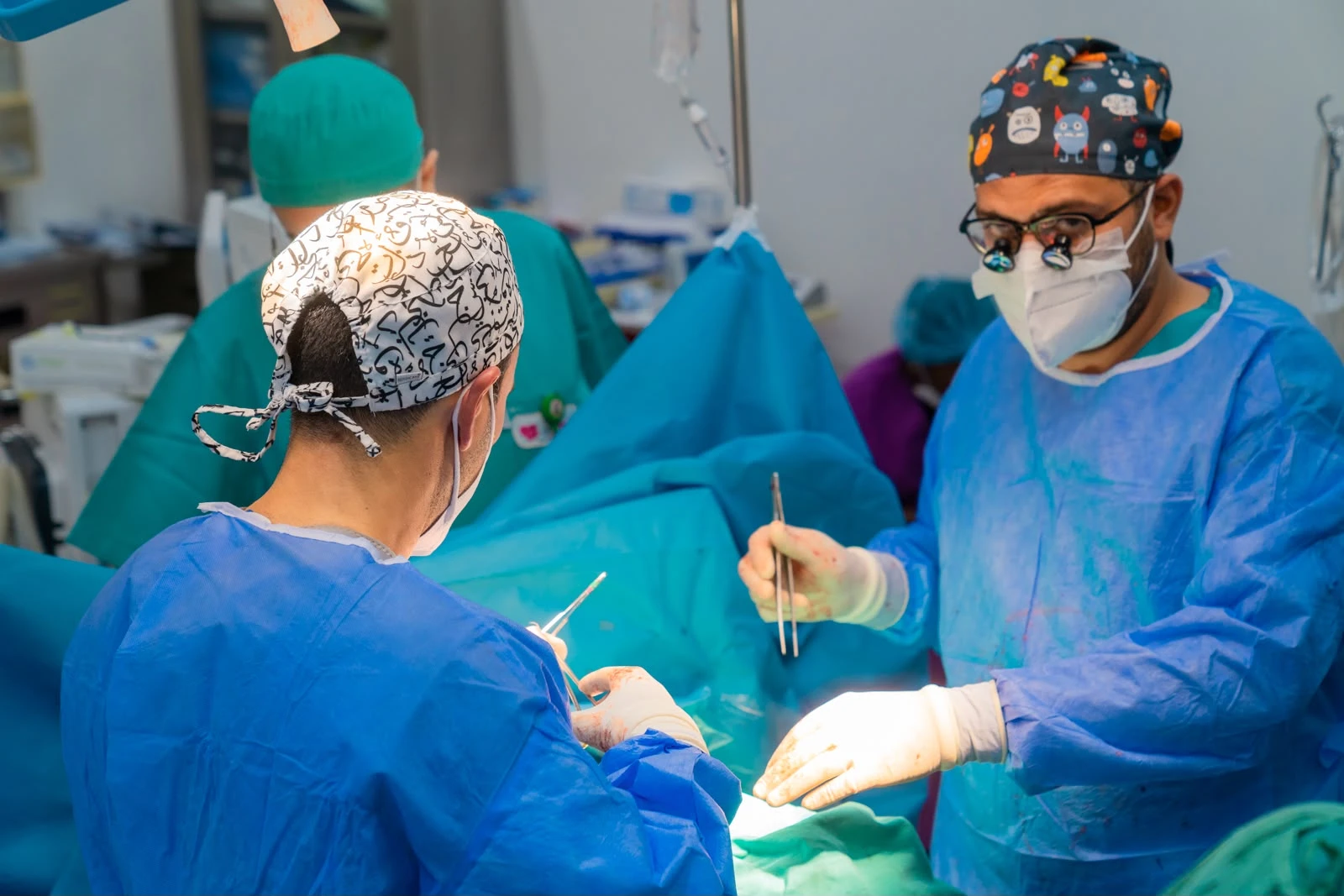
JEDDAH: Kidana Development Co. is continuing the development of Mina Emergency Hospital 2 in Makkah, in cooperation with the Ministry of Health, as part of efforts to enhance medical readiness for Hajj pilgrims, the Saudi Press Agency reported on Saturday.
The current phase of development includes the construction of three floors and an annex, covering a total area of 18,000 sq. meters, increasing capacity to 400 beds.
Building on the first phase, which covered 5,300 sq. meters and provided 200 beds during last year’s Hajj season, the hospital has also been linked to Mina Emergency Hospital 1 via a bridge, to support integrated services.
The expansion aims to strengthen the healthcare system’s ability to handle emergencies and provide urgent care near pilgrims’ gathering areas in Mina during Hajj.
Meanwhile, the Saudi Red Crescent Authority has activated an intensified operational plan at the Grand Mosque in Makkah, deploying a large fleet of medical resources to ensure the safety of worshippers and visitors, the SPA reported.
To handle high-density crowds and ensure rapid response times, the authority has stationed more than 270 ambulance units across Makkah and the central area. The fleet includes 58 standard ambulances, 23 ambulance golf carts, and 12 rapid intervention teams. For ease of movement through crowded areas, it is also using ambulance motorcycles, scooters, and electric vehicles.
More than 570 paramedics, technicians, and specialists, supported by health volunteers, are deployed across key sites.
“This flexible field plan enables teams to navigate pedestrian traffic and transport patients efficiently to nearby health facilities, ensuring a high standard of emergency care during the peak Hajj season,” the SPA wrote.
In other Hajj-related news, the General Authority for the Care of the Affairs of the Grand Mosque and the Prophet’s Mosque has launched an interactive 3D-maps initiative to improve navigation and enhance services for pilgrims.
Integrated into the Nusuk card, the digital platform shows routes from the holy sites to surrounding infrastructure, transport routes, and hotels to optimize crowd management during peak times.
The interface provides real-time operational data, including weather updates, restroom locations, and occupancy rates for prayer, Tawaf, and Sa’i areas, as well as the locations of religious guidance and fatwa offices.
Designed in line with Saudi Vision 2030, the service aims to deliver a unified, accessible, and high-quality experience for pilgrims.