- Saudi siblings Ehsan and Wejdan Bouges reflect on years spent serving Hajj pilgrims
- Ehsan Bouges: Throughout more than 23 years of serving pilgrims, I have noticed that shared human values transcend language barriers in a remarkable way
RIYADH: As millions of pilgrims from around the world gather in Makkah for Hajj each year, language barriers often give way to shared rituals, gestures and acts of kindness.
People who have spent years serving pilgrims say Hajj creates a unique form of human connection that transcends nationality, culture and language.
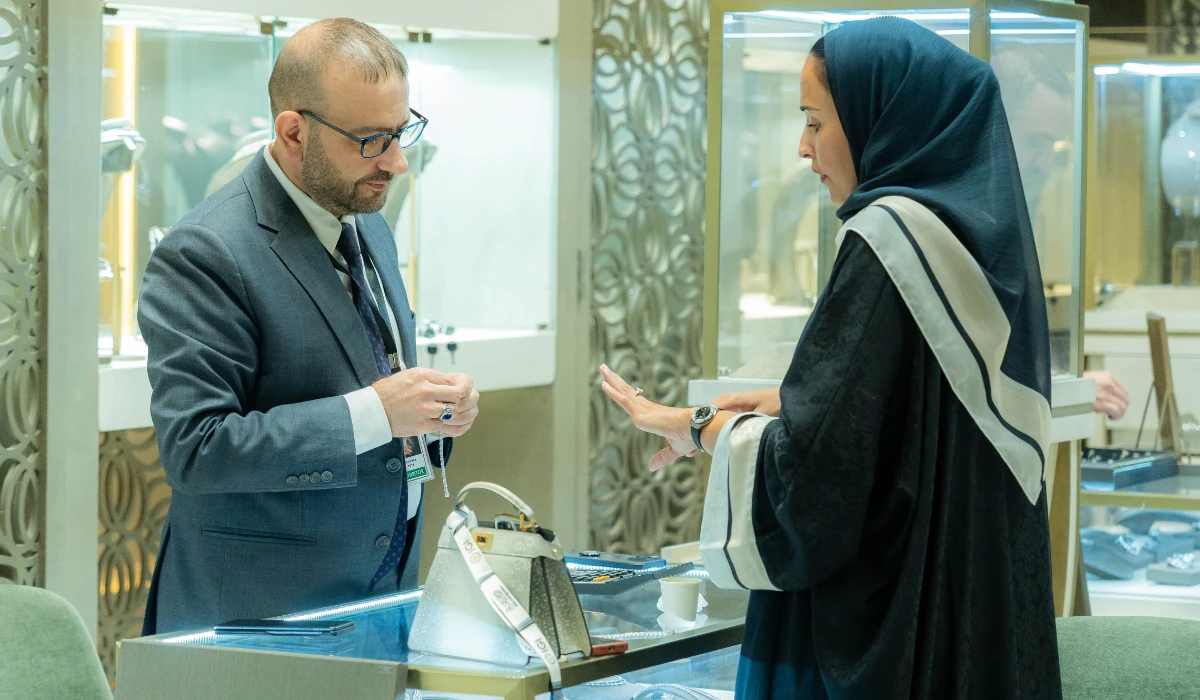
Arab News spoke with siblings Ehsan and Wejdan Bouges, who have spent years serving pilgrims during Hajj, about the interactions and cultural exchanges that take place among pilgrims from around the world.
“Hajj is considered one of the greatest human examples of global connection because it brings together millions of people from different nationalities and cultures under one purpose and unified rituals,” Ehsan said.
“Throughout more than 23 years of serving pilgrims, I have noticed that shared human values transcend language barriers in a remarkable way.”
During Hajj, pilgrims from dozens of countries move together through the same rituals, wearing the same garments and repeating the same prayers, creating what many describe as an atmosphere of unity rarely seen elsewhere.
“A smile, offering help, respecting others, and a spirit of cooperation become a universal language in the holy sites, one that everyone understands,” he added.
“Pilgrims feel they are part of one human community, and this naturally creates closeness even among people who do not speak the same language.”
The interactions are often built through small moments rather than lengthy conversations.
“We witnessed many moments where humanity spoke louder than words,” Ehsan said. “Sometimes, simply pointing someone in the right direction, offering water, helping an elderly pilgrim, or checking on a lost pilgrim was enough to create a sense of trust and gratitude between people who shared no common language.”
“I remember situations where pilgrims exchanged prayers and smiles after a small act of kindness, as though they had known each other for years,” he added.
“These small details reflect the reality that Hajj is not only a spiritual journey, but also a deeply human experience.”
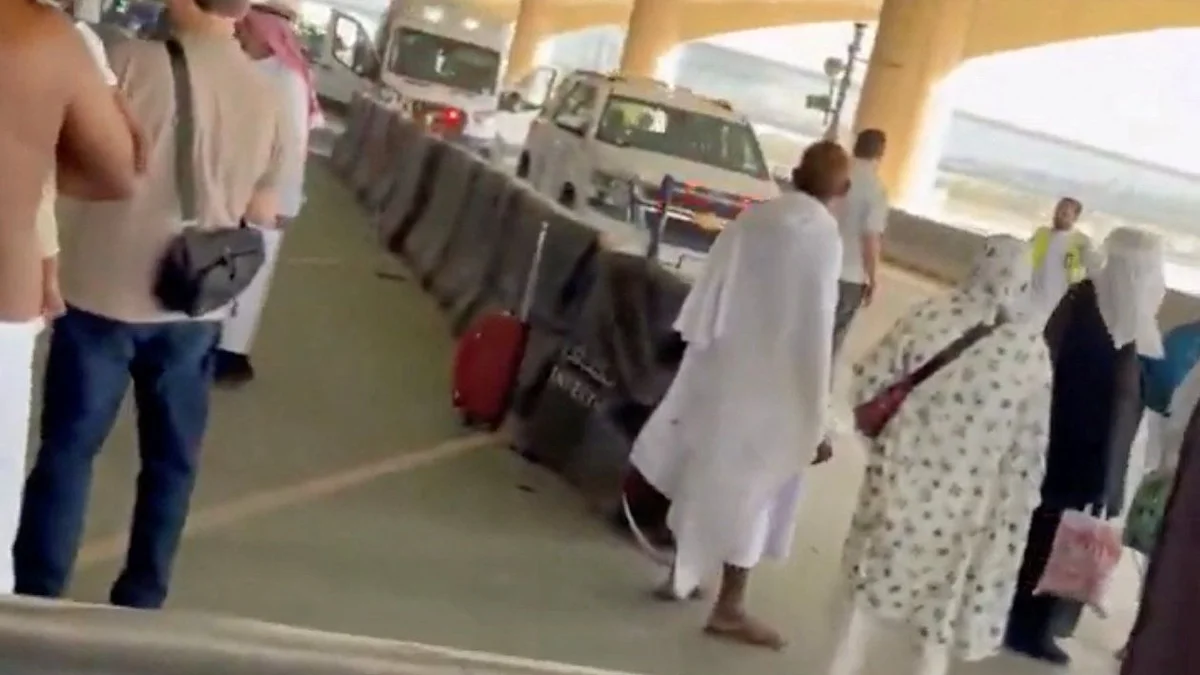
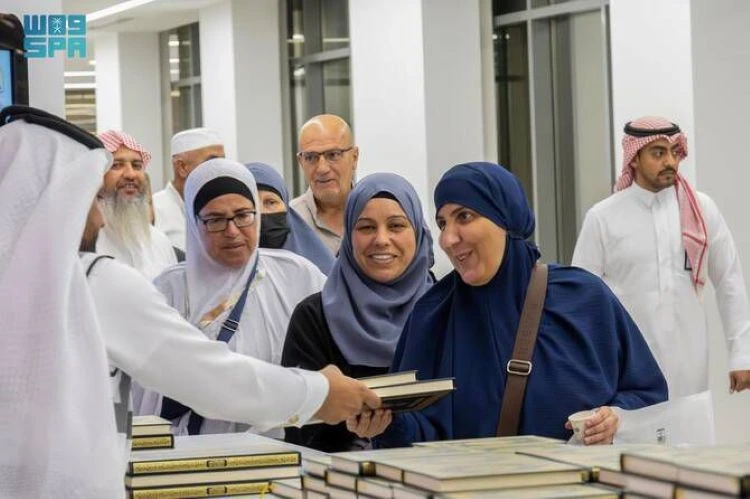
At the holy sites, pilgrims frequently share meals, exchange gifts and help one another while performing rituals including the Tawaf and stoning of the Jamarat.
“At service sites and across the holy locations, we often noticed groups of pilgrims from different countries sitting together, sharing food, or helping one another while moving between sites, performing the stoning ritual, or circumambulating the Kaaba,” he added.
“In many cases, a relationship would begin with a brief interaction and later develop into a friendship that continued even after Hajj ended through exchanging contact information or commemorative photos.”
He added that Hajj also creates opportunities for direct cultural exchange between pilgrims from different parts of the world.
“Through shared accommodation, transportation, waiting areas, and services, pilgrims learn about one another’s food traditions, communication styles, clothing, and even the ways different cultures express joy and gratitude.”
He also reflected on how communication during Hajj has evolved over the years, noting that it previously “relied much more on direct human interaction.”
“Gestures and acts of kindness were the main ways people understood one another, which created more spontaneous and personal relationships.”
Today, however, digital tools and translation technology have transformed many aspects of the pilgrimage experience.
“Technology has significantly improved the pilgrim experience through translation apps, smart maps, and digital solutions,” Ehsan said, emphasizing that human interaction still remains the defining part of Hajj.
“Technology may make services easier, but sincere human emotions are what leave the deepest and most lasting impact on pilgrims’ memories.”
Wejdan said shared rituals and experiences during Hajj naturally help dissolve barriers between pilgrims despite their different backgrounds.
“Simply being together in the same place at the same time creates something special,” she said. “(Pilgrims) wear the same clothes, repeat the same words, and share the same destination. All of this makes the differences between them fade away.”
“It feels as though these things become a shared language between them, even without words or spoken language,” she added.
Wejdan said the diversity present during Hajj often strengthens values of equality and mutual respect.
“I believe that when millions of people gather during Hajj despite their different races, cultures, languages, and appearances, especially in places like Arafat and the holy sites, a person realizes that these differences actually add beauty,” Wejdan said.
She said years of working with pilgrims from different countries also highlighted the importance of cultural awareness, particularly when communication was limited.
“I dealt with pilgrims from African countries who did not speak Arabic, such as pilgrims from Nigeria and Uganda,” she said. “Even when giving gifts, you had to be culturally aware. Different groups appreciated different things.”
The interactions between pilgrims also inspired initiatives aimed at preserving and showcasing Makkah’s local identity.
“One time, we organized an event to introduce pilgrims to the traditions of the people of Makkah during Hajj, how celebrations were held and what the local customs looked like.”