- Al-Qandal’s winding waterways, dolphins and birdlife draw holiday visitors to one of the Red Sea’s richest natural sanctuaries
- Farasan archipelago showcases Saudi Arabia’s Vision 2030 push to expand sustainable tourism beyond traditional religious travel
FARASAN ISLANDS: Al-Qandal Forest, a sprawling mangrove sanctuary in the Farasan Islands, is attracting growing numbers of visitors during the Eid Al-Adha holiday season, underscoring the archipelago’s emergence as one of Saudi Arabia’s leading ecotourism destinations, according to a report by the Saudi Press Agency.
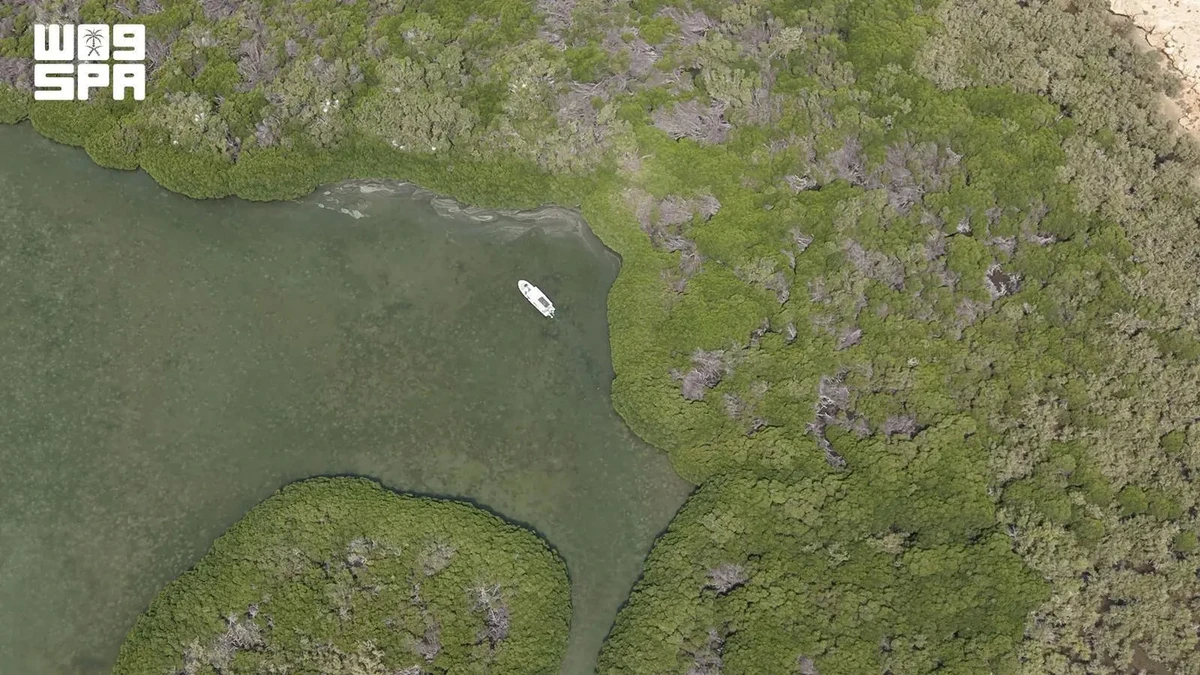
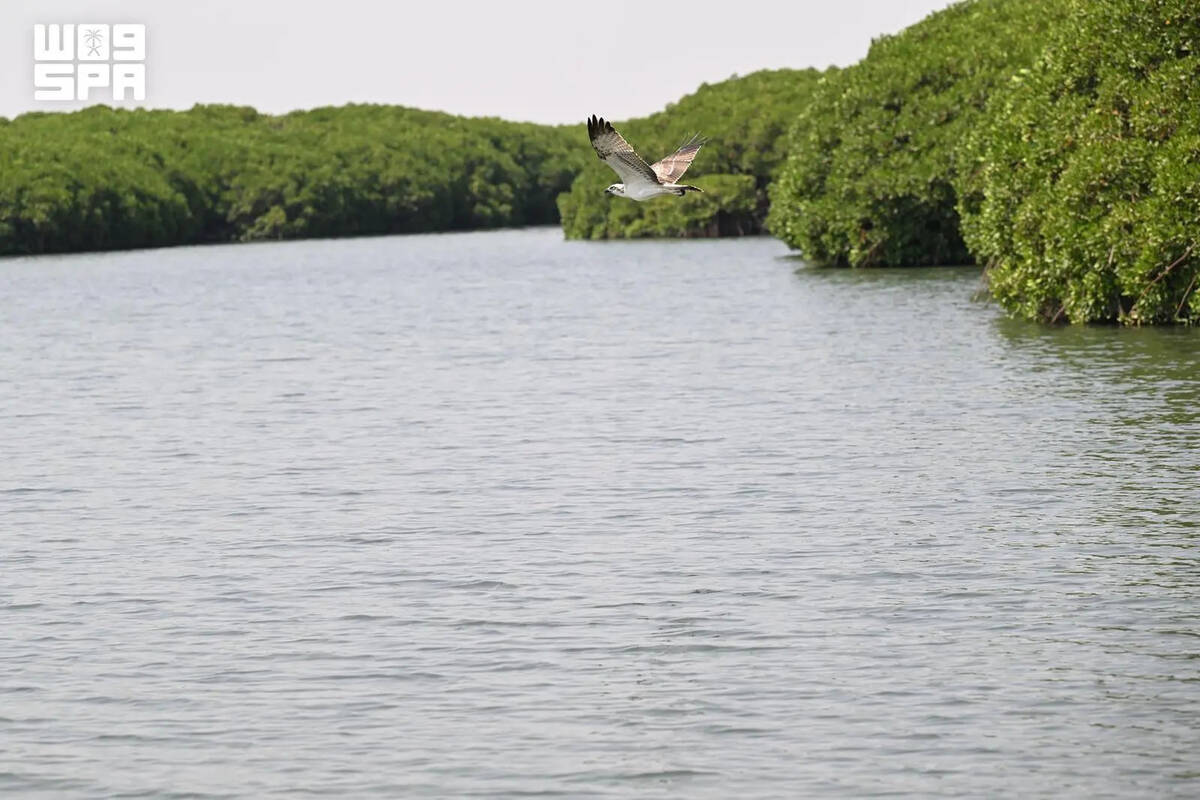
Located about 16 km from Farasan Port, Al-Qandal offers visitors a journey through a narrow rocky inlet that opens into a network of winding waterways lined by dense mangrove forests. The trees’ distinctive aerial roots help to stabilize the coastal ecosystem while providing habitat for a wide range of marine species and birdlife.
The forest has become one of the Farasan Islands’ most popular environmental attractions, particularly among nature enthusiasts, birdwatchers and photographers seeking unspoiled coastal landscapes.
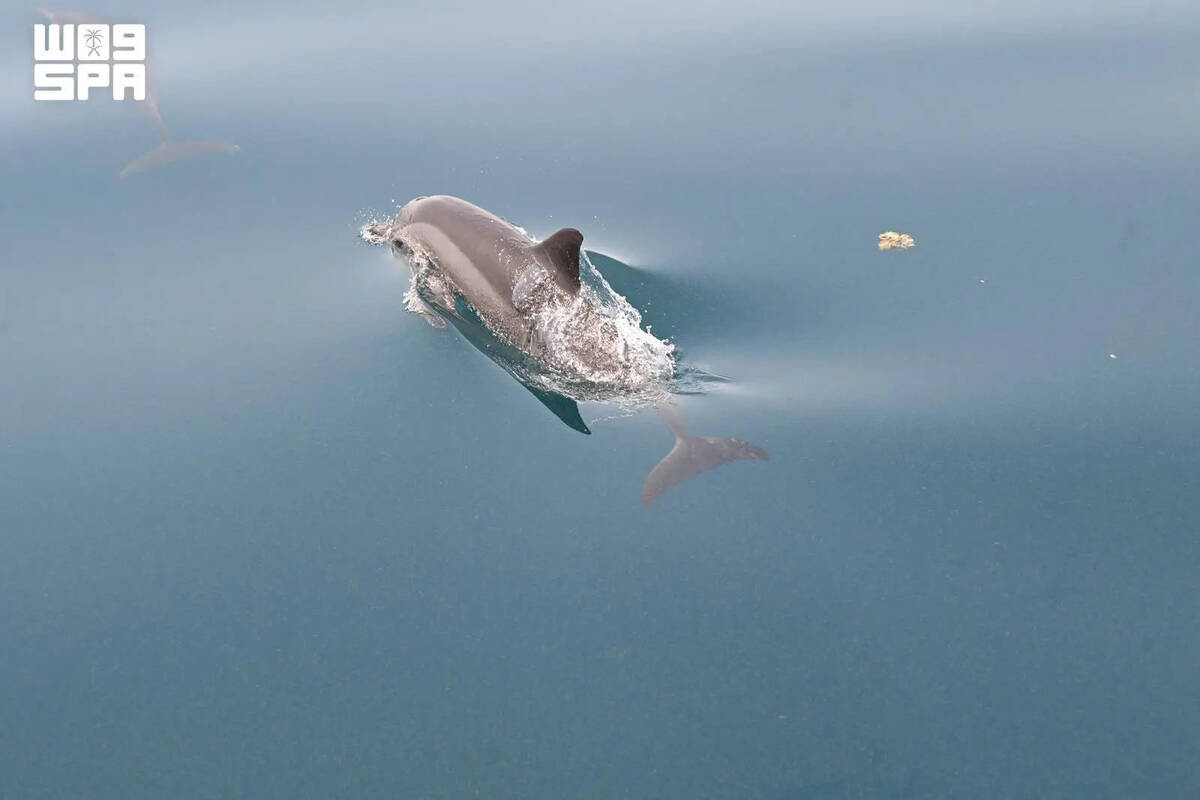
Visitors exploring the waterways by small boats frequently encounter dolphins in nearby open waters, adding to the appeal of the excursions. Local tour operators report increased demand during holiday periods, reflecting growing interest in marine and nature-based tourism across the Red Sea region.
The Saudi Red Sea Authority oversees tourism activities in the area, balancing visitor access with conservation efforts aimed at preserving the islands’ fragile ecosystems and biodiversity.
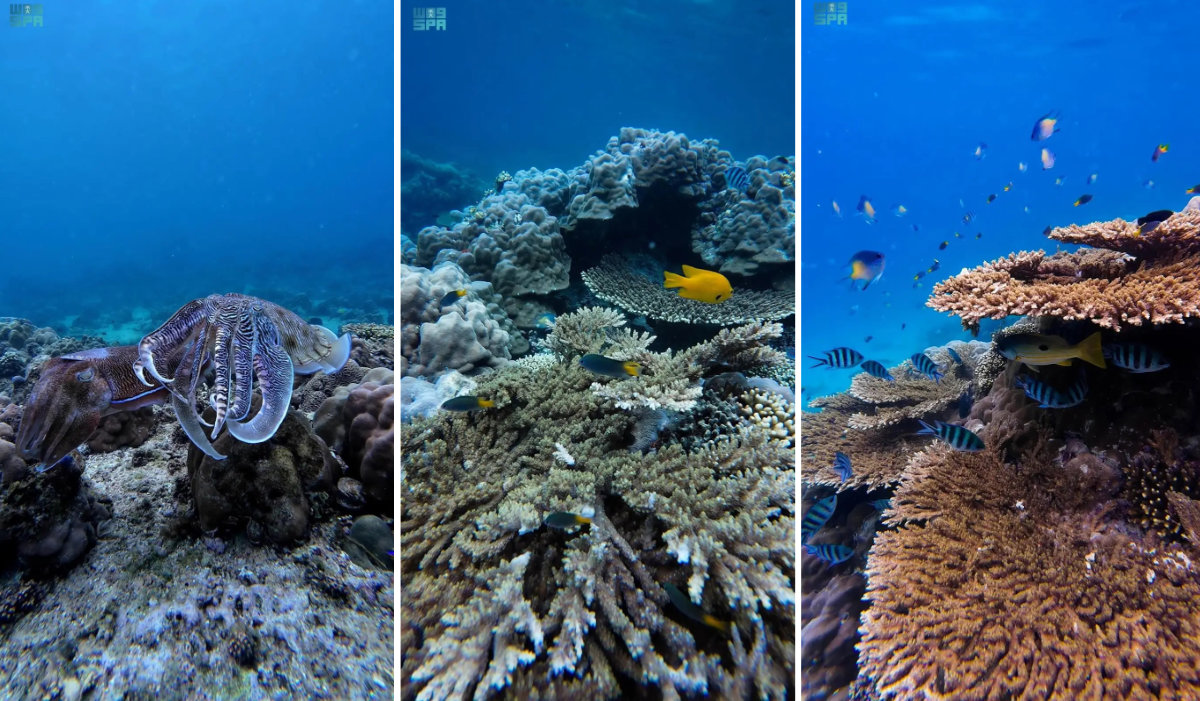
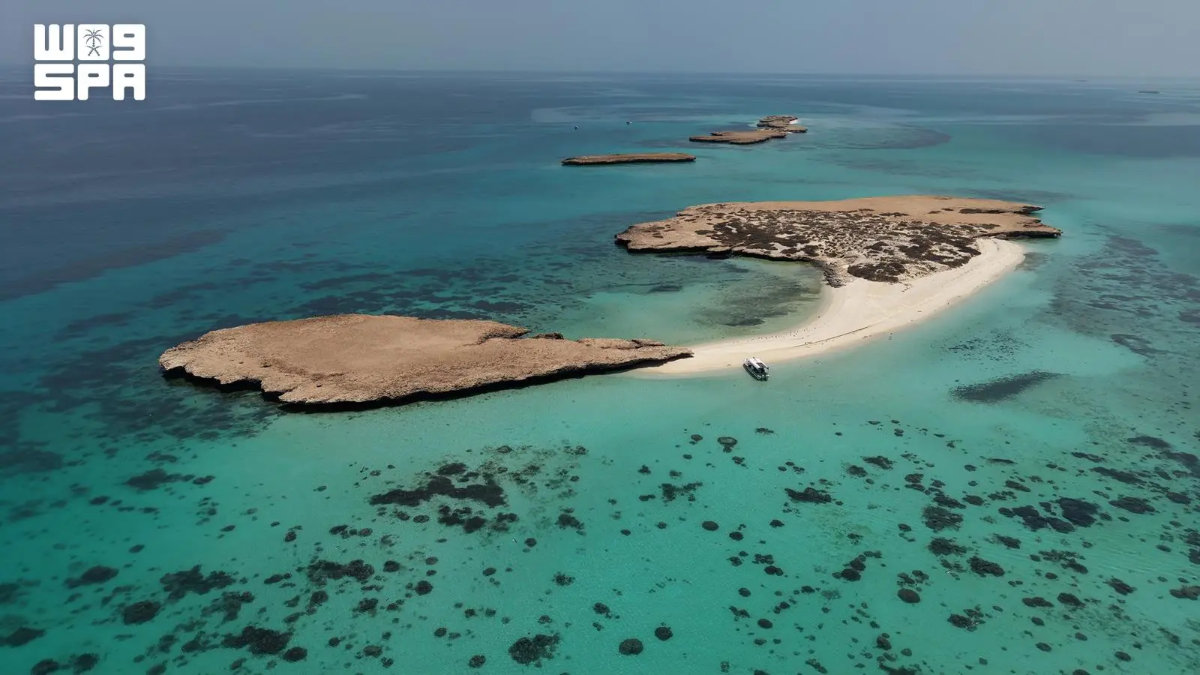
Al-Qandal is only one of several natural attractions helping to transform the Farasan Islands into a year-round tourism destination. Recent SPA reports have highlighted the archipelago’s diverse offerings, including the white-sand beaches and tranquil waters of Abu Shourayah Island, the rich marine biodiversity surrounding Gummah Island, and the frequent dolphin sightings that have become a signature attraction for visitors exploring the islands by boat.
Protected coral reefs, abundant marine life, migratory bird habitats and pristine coastal environments have positioned the islands among the Kingdom’s most important ecotourism destinations.
The growing popularity of Farasan reflects broader changes in Saudi Arabia’s tourism landscape under Vision 2030, the economic diversification strategy launched by King Salman and Crown Prince Mohammed bin Salman. Tourism has become a key pillar of the plan to reduce the Kingdom’s dependence on oil revenues while creating new economic opportunities and showcasing Saudi Arabia’s natural, cultural and historical assets.
The shift is particularly significant for religious visitors. For decades, many pilgrims traveling to Saudi Arabia focused almost exclusively on Makkah, Madinah and the holy sites. Today, improved infrastructure, expanded tourism offerings and new visitor programs are encouraging travelers to explore destinations across the Kingdom before or after their religious journeys.
The Farasan Islands themselves have deep ties to the history of Hajj. According to a recent SPA report, elderly residents still recall the era when pilgrims departed the islands aboard sailing vessels bound for Jeddah, enduring journeys of up to two weeks across the Red Sea before continuing onward to Makkah.
Those voyages, remembered as journeys of faith, patience and longing, stand in stark contrast to today’s tourism landscape, where visitors can combine religious travel with experiences ranging from marine adventures and wildlife observation to cultural and environmental exploration.
As Eid holidaymakers continue to arrive, Al-Qandal Forest remains one of the Farasan Islands’ standout attractions, offering visitors a glimpse of the natural beauty and ecological diversity helping to redefine Saudi Arabia’s tourism appeal.