- The Saudi cultural commentator on the development of the Kingdom’s movie industry
DHAHRAN: With the red carpet now rolled up once more following the conclusion of the star-studded 12th Saudi Film Festival, the festival’s vice president and cultural consultant to the King Abdulaziz Center for World Culture (Ithra), Tariq Al-Khawaji, is optimistic about the Saudi film scene.
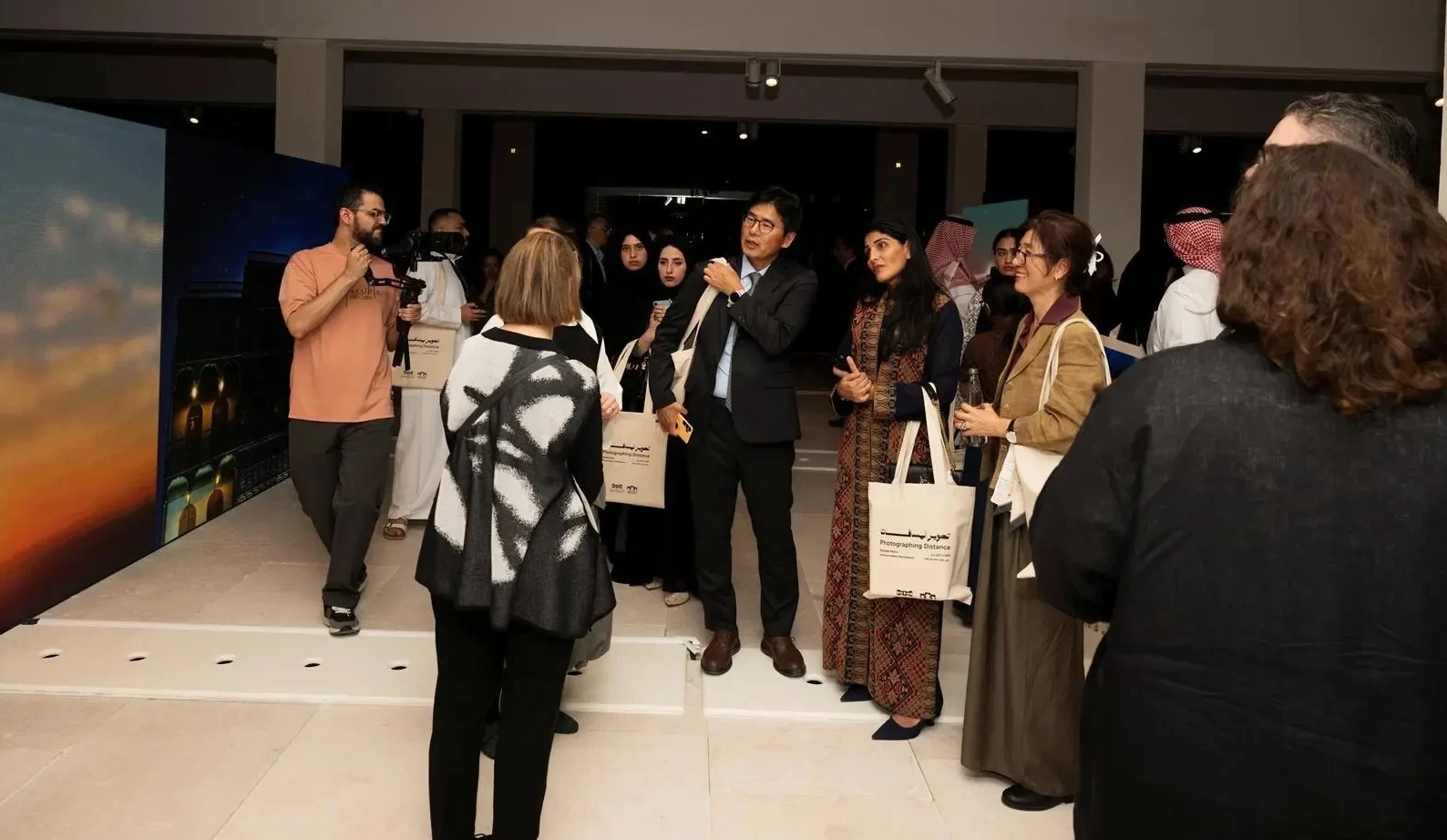
“I think the difference this time, with the 12th SFF edition, is that both parties — Ithra and the Festival — have become bigger than the role of the host and the producer; there is an integrated relationship and there is very high-level coordination between us,” Al-Khawaji told Arab News. “We met weekly for six months, and this has even changed the quality of the films presented.”
Since its launch in 2008, the Saudi Film Festival has served as a key driver of Saudi and Gulf cinema and is the longest-running film festival in the Kingdom. After several gaps that spanned seven years, SFF has now become an annual event.
A total of 50 films were screened this year, 20 of which were world premieres. As in previous years, there was a special focus on cinema from a non-Saudi country. This year, it was Korea.
“It was important for us to show films from the East, because we all know the Western films. Honestly, Saudi viewers probably only became fully aware of Korean films after the (2019) film ‘Parasite,’ and other blockbuster hits that have captivated the international gaze,” Al-Khawaji said. “But we found that what was absent in the region, for a very long time, were those pockets of other interesting Eastern stories, not just the big hits. And, honestly, that side of the world is ripe with stories that are somewhat closer to us culturally.”
Films certainly altered Al-Khawaji’s way of looking at the world.
“The film that made me change my relationship with movies in a real way was 1995’s ‘Braveheart.’ It was truly something else, and it wasn’t released in Saudi Arabia. It was a film that was very controversial at the time. Now things have changed,” he said with a laugh.
“The first film I saw in a cinema was ‘The Matrix,’ in 1999 — it was shown in Bahrain. It was so very different to watch a film on the big screen. It was such a big event for us. People might see ‘The Matrix’ as a philosophical film, but it was very much an action film. That one changed everything for me,” he continued.
Having swallowed the film pill, Al-Khawaji developed an insatiable appetite for all things related to movies. He was tasked with conveying the plots of films to his friends back home in Saudi, many of whom were unable to watch them.
He used that skill later, when he freelanced as a film critic for various newspapers, and, more recently, as an author. Now a prolific cultural commentator and media personality, his language is still peppered with movie references.
This year’s SFF theme was “Cinema of the Journey,” focusing on movement as an essential storytelling element. It’s a theme that resonated with Al-Khawaji, whose family moved often due to his father’s job — “I’d attended 11 schools by the time I reached high school,” he noted. As a result, he was always a “new student,” who had the opportunity to craft his own narrative about his life and decide which stories he chose to tell.
“When I was young, we read a lot of books. Our imaginations were very strong. We were also memorizing the Qur’an from a very young age, and reading the accompanying commentaries and other stories about the prophets,” he explained. “All of this shaped our imagination.”
Long before cinemas were prevalent in the Kingdom and decades before there were casting studios, he and his creative friends wanted to make movies, so they helped each other by filling in when someone needed actors for their script. For Al-Khawaji’s first acting gig, he was paid with a plate of rice and meat at a local eatery.
Films have remained a constant companion and escape for Al-Khawaji throughout his life. While he enjoys curating collections, he makes sure to keep his personal taste separate from the selection process for the festival.
“A committee chooses the films for the SFF,” he said. “I was clear that I needed to not be part of that process at all.”
He believes that the festival helps visitors better understand Saudi filmmaking, and urges film lovers to check out the selected titles.