- 447 of the Palestinian Health Ministry’s 590 service branches sharply reduced operations, says Physicians for Human Rights Israel
- Palestinian Authority’s debt exceeds $1.18 billion, and hundreds of essential medicines are out of stock or close to running out
LONDON: An Israeli rights group warned on Thursday that the Palestinian public healthcare system in the occupied West Bank was nearing collapse, saying Israel’s continued withholding of tax revenues from the Palestinian Authority had pushed hospitals and clinics to the brink.
Physicians for Human Rights Israel said in a new position paper that 447 of the Palestinian Ministry of Health’s 590 service branches had been forced to sharply cut back operations, functioning only once or twice a week.
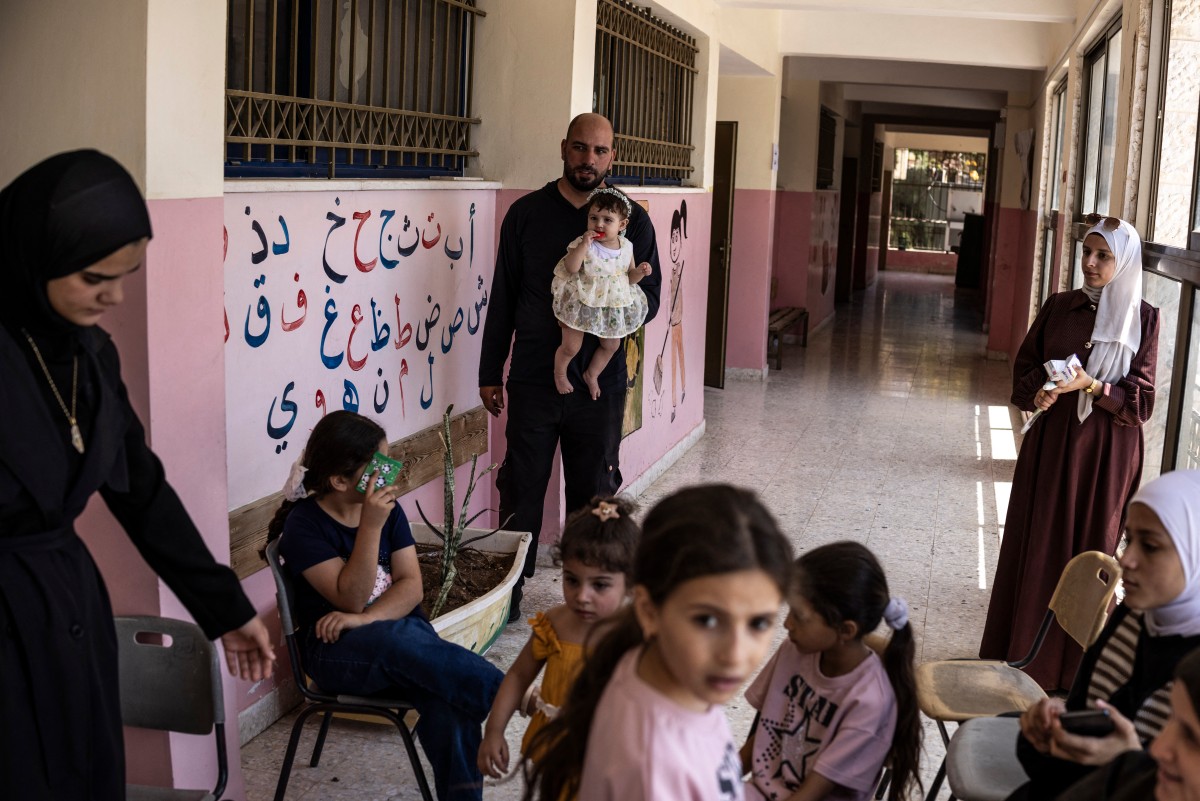
Only 63 percent of primary healthcare centers remained partially operational in 2025, many opening just one day a week, compared with six days before Oct. 7, 2023, when Israel launched a military campaign in Gaza in retaliation for a Hamas-led attack.
PHRI said that the cuts were directly linked to Israel’s continued withholding of Palestinian Authority clearance revenues, which it described as a major source of funding for public services.
The Paris Protocol of 1994 authorizes Israel to collect certain Palestinian taxes and transfer them to the PA, but the group said that rising deductions had severely undermined the authority’s ability to keep clinics open and medicines stocked.
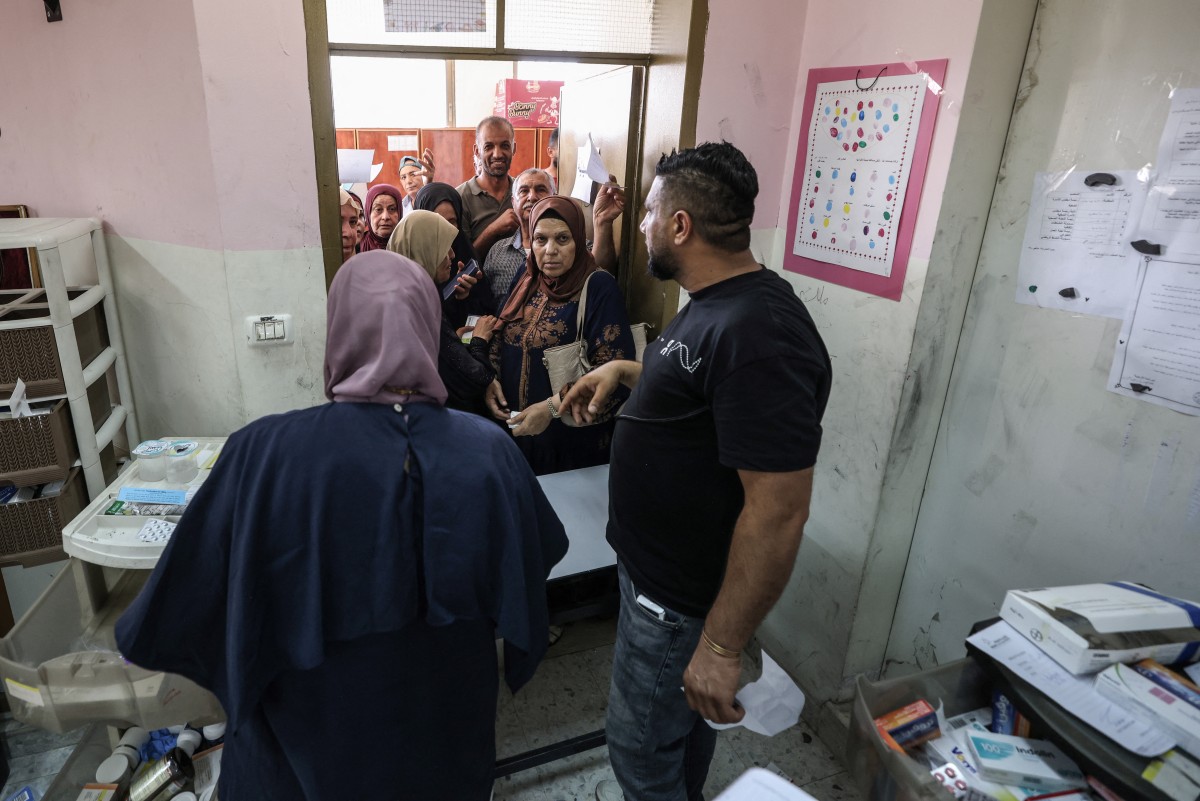
According to the report, the Palestinian Ministry of Health now owes more than $1.18 billion to private hospitals and pharmaceutical suppliers.
Of roughly 1,260 essential medicines normally stocked by the ministry, 160 are out of stock, around 600 have only several days of supply remaining and about 250 are available only in limited quantities.
Patients with cancer, kidney disease, diabetes and other chronic conditions are increasingly struggling to access essential treatment, PHRI said.
The financial strain has also hit healthcare workers. PHRI said that doctors and other staff were receiving only partial salaries, often after long delays.
On May 9, Palestinian doctors launched an open-ended strike over unpaid wages, shutting primary care centers run by the ministry and limiting government hospital services largely to emergency and life-saving care.
Although the Palestinian Medical Association announced a gradual lifting of the strike a month later, PHRI said that healthcare workers remained under reduced capacity and that shortages of medicines, unpaid salaries and constrained services had largely persisted.
According to the World Bank, since October 2023 Israel’s monthly deductions from clearance revenues have risen from about $66 million to roughly $165 million, cutting the amounts transferred to the PA by more than half.
Between February 2019 and July 2024, Israel deducted 3.54 billion shekels, or about $1.17 billion, which is equivalent to roughly 5 percent of Palestinian gross domestic product in 2023.
PHRI said that in June 2026 Israel further expanded the deduction mechanism, allowing deductions to exceed 100 percent of certain PA payments, compared with the previous one‑to‑one formula.
The group argues that this escalation has turned what Israeli officials describe as a financial measure into a policy with sweeping humanitarian consequences.
Milena Ansari, director of the Occupied Palestinian Territory Department at PHRI and author of the position paper, said that the situation showed the direct impact of Israeli fiscal policy on civilian life.
“Israel is withholding Palestinian revenues while the healthcare system those revenues sustain is collapsing,” Ansari said. “The consequences are already visible; clinics are closing, doctors are working without full salaries, essential medicines are running out, and patients are being denied the care they need.”
She said that the withholding of revenues could not be treated as a purely technical dispute in light of repeated calls by senior Israeli ministers for the Palestinian Authority’s “downfall” and “dismantling.”
“It has become part of a broader policy with direct consequences for civilians,” she added.
In early June, Israeli Finance Minister Bezalel Smotrich called for the dismantling of the Palestinian Authority and the seizing of all the territory of the occupied West Bank. Before that, in August 2025, far-right National Security Minister Itamar Ben-Gvir reportedly called for the immediate overthrow of the Palestinian Authority.
Palestinian officials say that those statements, combined with the deepening fiscal crisis, point to a deliberate strategy to weaken or collapse Palestinian governing institutions.
Palestinian Foreign Minister Varsen Aghabekian said in April that Israel was deliberately pushing Palestinians toward impossible conditions, telling the UN Security Council that “the Israeli government seeks the collapse of the Palestinian Authority.”
“Israel’s withholding of our tax revenues is not merely a financial matter,” she said. “It is an existential threat against Palestinian institutions and the people they serve.”
Ansari said that Israel “cannot control Palestinian revenues, borders, movement and access to resources while denying responsibility for the healthcare crisis its policies are helping to create.
“As the occupying power, it has clear obligations toward the population under its control,” she said. “The withheld revenues must be transferred immediately.”
She urged the international community to “recognize the collapse of healthcare in the West Bank for what it has become; a public health emergency.”
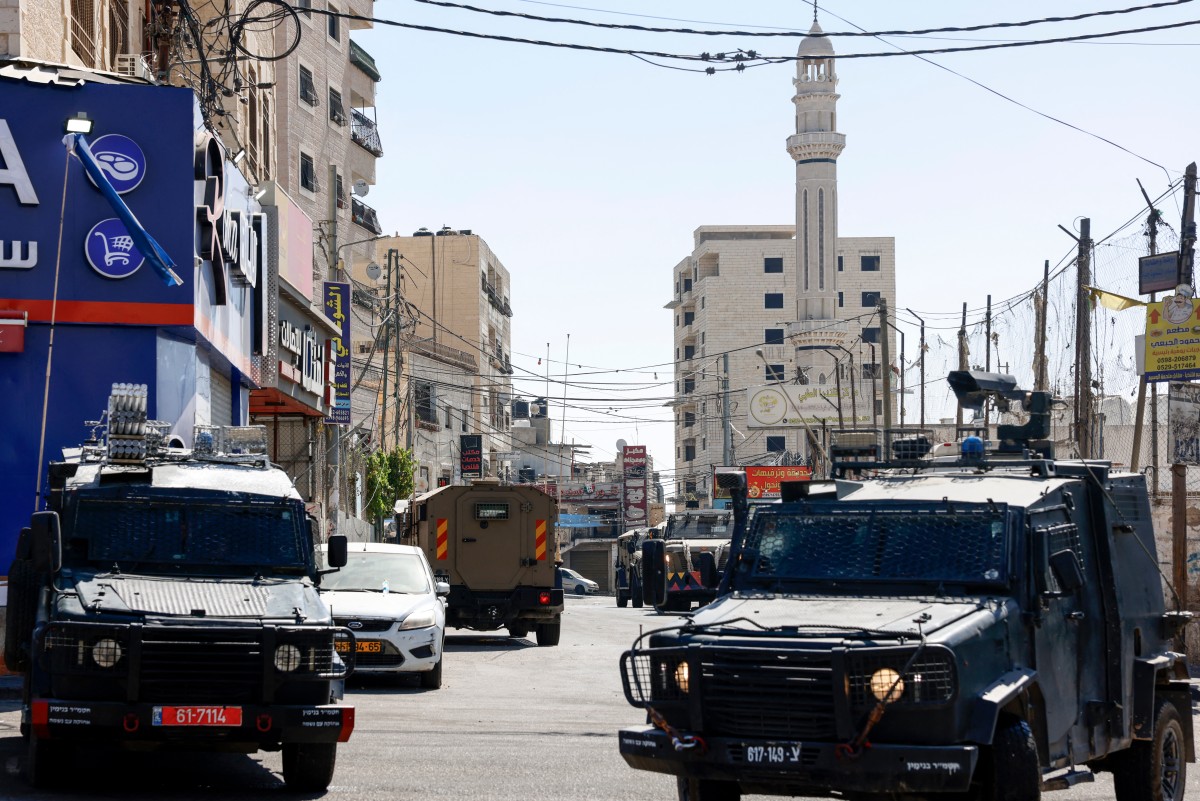
The financial crisis is unfolding alongside intensified military operations, closures and movement restrictions across the occupied West Bank, further weakening healthcare services and restricting patients’ ability to reach them.