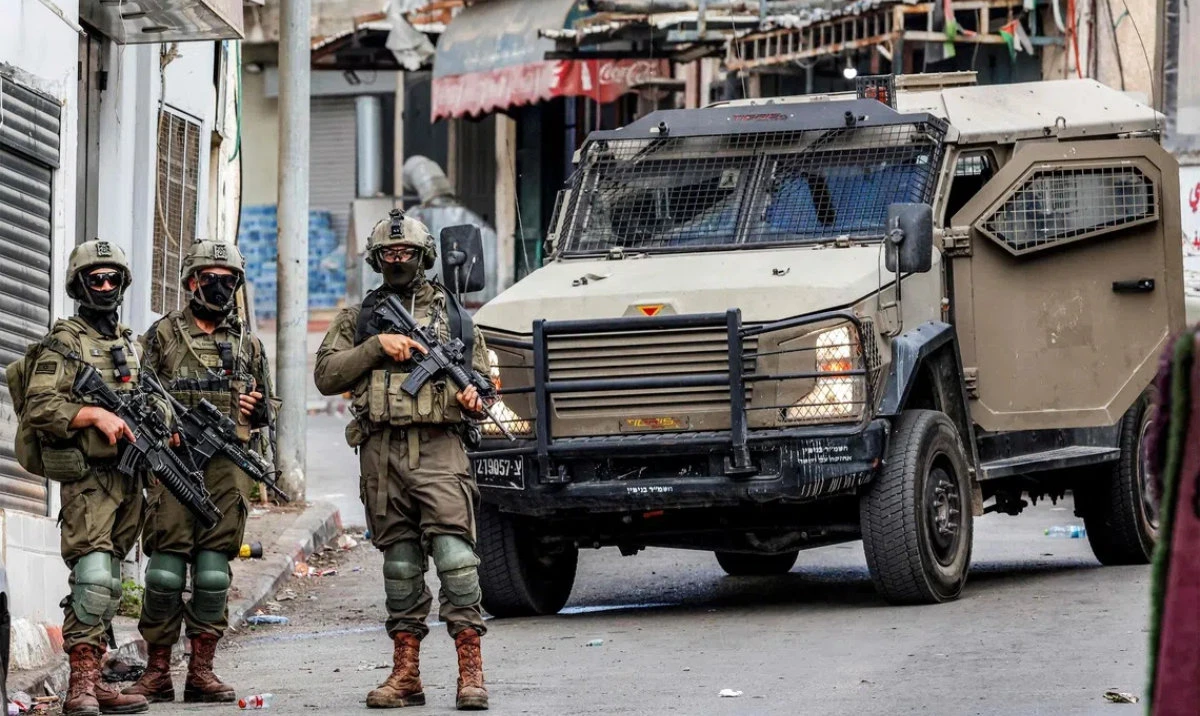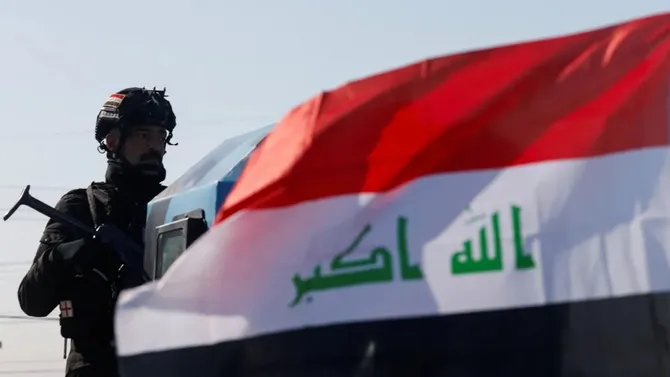
An Iraqi security source told “Asharq” on Monday that a joint force from the Counter-Terrorism and Intelligence agencies arrested four members of the Popular Mobilization Forces (PMF), including Abu Jaafar, a member of the PMF commission’s staff, from his home in the Al-Baladiyat area in eastern Baghdad.
No official statement has been issued yet regarding the reasons for the arrest or the charges brought against them.
The arrest came days after the detention and subsequent release of Abbas al-Yacoubi, the intelligence director of PMF operations in the “Baghdad Belt,” on charges of “executing attacks targeting the US presence in Iraq.”
Last week, the Iraqi judiciary issued a decision fully dismissing all charges against al-Yacoubi, acquitting him completely and dropping all legal cases and procedures raised against him.
Al-Yacoubi holds the position of intelligence chief for the Harakat al-Nujaba movement, as well as intelligence director of the Baghdad Belt operations command.
He was arrested on charges of executing attacks that targeted the US presence in Iraq.
The Weapons Control File
The arrest of al-Yacoubi came at a time when the government of Prime Minister Mohammed Shia al-Sudani is facing a sensitive file, which is the project to confine weapons to the state.
Meanwhile, the Nujaba movement clarified its stance on this file over the past months, as it refused to consider the weapons of what it calls the "Resistance" as part of the unchecked weapons targeted by the government program.
The Iraqi National Security Advisor, Qasim al-Araji [written in text as Qasim al-Aboudi], confirmed on Wednesday that the government is continuing to implement its security decisions related to confining weapons to the state, stressing that the country's constitution does not allow the presence of armed groups that threaten the security of neighboring countries and the region.
Al-Araji said that “the Iraqi government is continuing to implement its security decisions related to confining weapons to the state and strengthening security agreements with sisterly and friendly countries, to create a safe and stable environment that helps support the paths of economic reform for the country through the entry of global companies to work in Iraq.”
The National Security Advisor pointed out that “the Iraqi constitution does not allow the presence of armed groups that threaten the security of neighboring countries and the region.”