- Saudi Arabia is set to implement a new minimum effective tax rate of 15% on qualifying profits starting Jan. 1, 2027.
- Acwa Power expects contractual safeguards to mitigate the tax's financial impact, though it has not yet quantified the effect.
- Jarir Marketing Co. estimates a potential charge of SR130 million ($34.7 million) impacting its net profits from 2027.
RIYADH: Multinational firms operating in Saudi Arabia have been assessing how the Kingdom’s new minimum effective tax rate of 15 percent on qualifying profits will impact their liabilities and operations.
Saudi energy firm Acwa said contractual safeguards could limit its exposure to the new levy, which is scheduled to take effect from Jan. 1, 2027, while Jarir Marketing Co. estimated a potential SR130 million ($34.7 million) charge under the regime.
Acwa confirmed that it falls within the scope of the draft legislation but has not yet quantified the financial impact. It expects change-in-law provisions in most contracts governing its project investments to help mitigate the effect.
Jarir said its preliminary assessment indicated a material impact on group net profit from 2027, as most of its earnings are generated in the Kingdom.
The measure forms part of the OECD- and G20-backed Pillar Two framework, which aims to establish a 15 percent minimum effective tax rate for large multinational companies.
It is designed to limit profit shifting and ensure qualifying businesses pay a minimum level of tax in the jurisdictions where they operate.
Saudi Arabia’s introduction of the domestic top-up tax aligns the Kingdom with the international framework.
Jarir’s assessment
Assuming consolidated net profit of SR1.2 billion after zakat and other income taxes but before the top-up tax, Jarir estimated an additional charge of around SR130 million, equivalent to around 11 percent of that assumed profit.
The retailer stressed that the illustration was not an earnings forecast for 2027. The assumed profit approximates its consolidated earnings for the 12 months ended Sept. 30, 2026.
The calculation reflects its current geographical earnings mix, qualifying assets and payroll, as well as the deductions provided for under the draft rules for 2027. The actual liability will depend on those factors and the final legislation.
Jarir expects to begin recognizing the expense in its first-quarter 2027 financial statements. The implementation of the Saudi regime would not create an expense in its 2026 results.
Tax scope
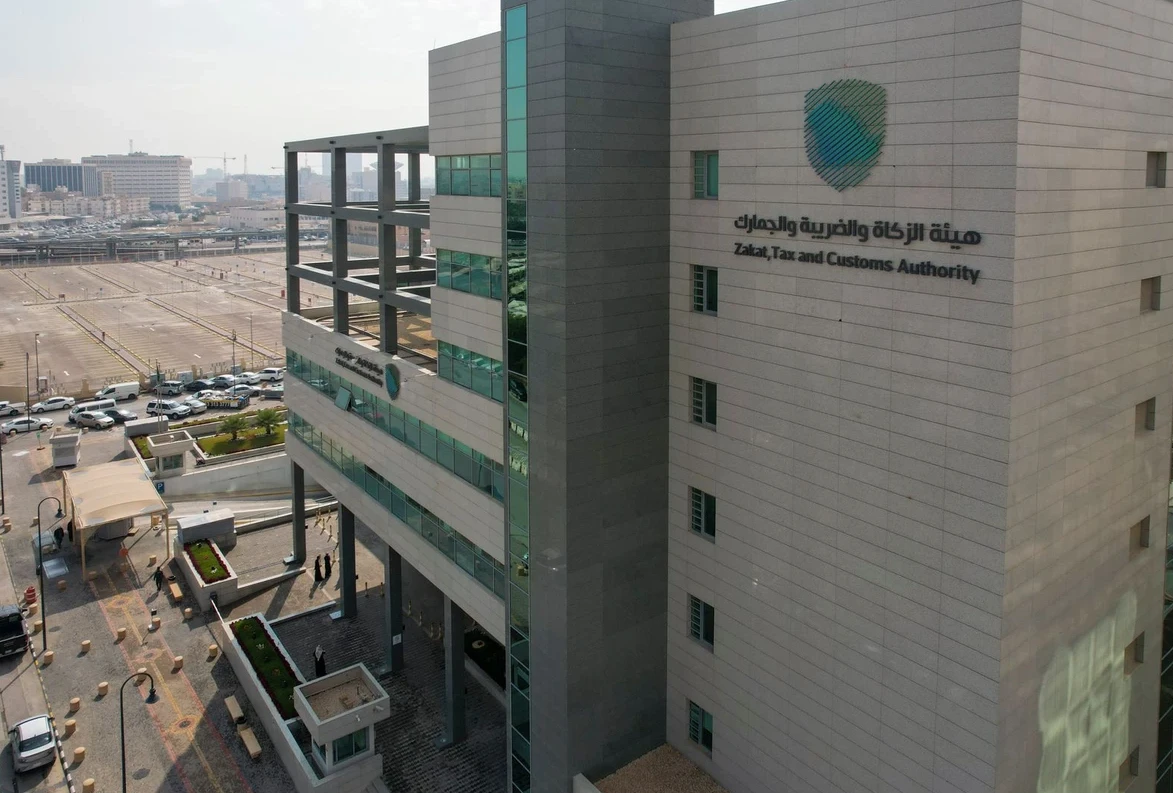
The Zakat, Tax and Customs Authority announced the domestic minimum top-up tax changes on Nov. 19, according to the Saudi Press Agency.
It covers entities belonging to multinational groups with consolidated annual revenue of at least €750 million, or its Saudi riyal equivalent, in at least two of the preceding four financial years.
Under the regime, Saudi Arabia can collect additional tax on domestic profits if a group's effective tax rate falls below 15 percent. The minimum rate is calculated against profits, not total revenue.
Purely domestic companies outside qualifying multinational groups are excluded. The measure forms part of the OECD and G20’s Pillar Two global minimum tax framework.
Jarir said zakat would count among covered taxes when calculating the effective rate under the draft.
Acwa said its actual exposure would depend on the final rules, the results of its entities within scope and its effective Saudi tax rate. Both companies said they would disclose further material developments.