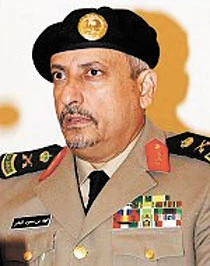
JEDDAH: About 50,000 people died and more than 300,000 were injured in traffic accidents across the Kingdom during the past 10 years, said Maj. Gen. Fahd Al-Bishr, director general of the Traffic Department.
During an interactive discussion at King Fahd Security Academy in Riyadh, the traffic chief also pointed out that Saudi Arabia suffered a massive economic loss of SR100 billion as a result of road accidents during the same period.
He also warned the public about the “road accident terror” and said the number of traffic accidents in the Kingdom was growing every year despite annual awareness campaigns.
“Every year we lose about 6,400 precious lives in road accidents. At the same time, during the past 10 years across the Kingdom, the number of people killed in terrorist attacks, including the perpetrators, did not reach 200,” he said.
Speaking about the adverse effects of traffic accidents, the general said deaths and injuries resulting from such accidents cause immense problems to the families of victims and negatively impact society as a whole. “About nine million traffic violations are recorded annually causing material losses of more than SR13 billion. Every 90 minutes someone dies in a traffic accident and after every 15 minutes one person is injured,” he said.
He also spoke about Sahir, the new electronic monitoring system to register traffic violations. Sahir relies on a network of digital cameras placed at traffic lights and other strategic locations. They will relay violations to the main datacenter, which will in turn assess the type of violation and electronically issue penalties. The department is in the process of implementing the project across the Kingdom at a total cost of SR2 billion. Surveillance cameras will be installed in 11 administrative regions in the first phase.
Al-Bishr attributed the growing cases of traffic accidents and violations on the shortage of traffic police officers. “There are nearly seven million cars and other vehicles in the Kingdom. But we have only 14,000 traffic officers to monitor them. A city like Riyadh should have 9,000 officers, but we have only 2,000.” He said many traffic officers are working inside department offices to issue driving and vehicle licenses, indicating a shortage in the number of officers actually monitoring roads and streets. He hoped the new Sahir system would help meet this shortage.
Privatization of traffic-related activities is another method followed by the department to offset shortage in men. Its Jeddah office has already appointed a private company to handle road accidents in the city.
The company will attend to accidents not involving major injuries, estimate the damages and clear the traffic obstruction caused by vehicles involved. It will also notify insurance companies and help in settling the claims of the parties.
Al-Bishr disclosed plans to introduce alternative punishment for traffic law violators in place of detention. “The Ministry of Interior is currently studying a proposal on this matter,” he said, adding that such punishments would be decided by courts.