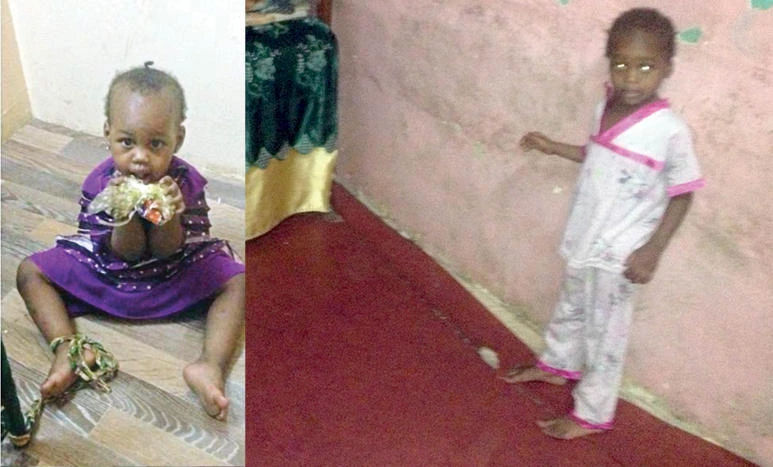
At least three unlicensed orphanages housing children in squalid, cramped conditions in the Karantina area south of Jeddah are operating with no government oversight, an Arab News investigation revealed.
The three orphanages, all located in the same low-income neighborhood, have no running water. Cooking chores are performed on gas stoves and water is kept in large plastic containers. Only two homes have electricity. The houses are infested with flies and no health care is available.
The children — infants to 7-year-olds — appeared well-fed.
However, 13-year-old Khadija, the first resident who now works in aid of the orphanage, was married off to a man in the neighborhood and has an infant of her own.
When contacted for comment, Ministry of Social Affairs spokesman Saeed Al-Asmari said that the ministry was unaware of the illegal orphanages. Telephone calls from Arab News to the Ministry’s Jeddah office were not answered.
“It all began 13 years ago, when an imam at a local mosque came to me with an abandoned baby girl he found outside the mosque,” said Zahra, the nanny at the orphanages. “He asked me to take care of her until he finds a solution to her problem. I fell in love with this baby and I named her Khadija. She is now helping me raise the other children I am given from nearby neighborhoods.”
Renting the orphanage facility costs SR700 a month, but Zahra said says she doesn’t have to worry about the costs. “The men in the neighborhood pitch in every month to help me pay the rent,” she said. “They also help me with grocery shopping so I don’t have to worry about money."
In fact, Zahra has not left the house for more than 10 years because her neighbors take care of everything.
Arab News visited Zahra’s orphanage and found around eight children living in the three residences.
“We live off donations and sometimes, we have nothing to offer these babies except bread and water,” Zahra said. “This is because not many people know where we are and because we are not registered at the government office.”
According to Zahra, the children are illegal and have no birth certificates or legal documentation.
“We don’t know who these children are. We just receive them when they are infants from neighbors who find them in the neighborhood,” she said. “We don’t need any legal papers because they don’t go to hospitals. We usually treat them at home. If we were to inform police about them, they might also arrest me because most of the people living here are illegals and overstayers.”
When children from the orphanage grow up, neighbors will find them jobs or get them married off to someone in the neighborhood.
“We don’t want their life to stop just because they are from unknown parents, so we go the extra mile to make their life easier by finding a job for them with the help of the imam,” said Zahra.
“The children speak Nigerian like me and most of the people who live here start learning Arabic when they are old enough to leave the house to help them survive in Jeddah and make it easier to find a job.”
Zahra said that illegals could only work without contracts. The orphans can work as shopkeepers, builders and drivers or become day laborers and earn an hourly wage.
“Women only work at the market, where they sell food that they cook or fruits or vegetables,” Zahra said. “Other women work as maids and tailors, so we usually teach them those skills when they reach the age of six.”
Zahra said there are two other orphanages that perform the same functions and that those orphanages are in the same neighborhood but on different streets.
“There are many orphans here because many parents are very poor and cannot raise children,” she said.
“We think this is the reason behind the huge number of abandoned babies in the streets. We need help, but we cannot contact authorities because we are afraid they will fly us back home or put us in jails, so all we can do now is help those children survive hunger and live a healthy life.”
3 fly-infested, illegal orphanages found in Jeddah