RIYADH: In collaboration with Nespresso, the Culinary Arts Commission developed six innovative coffee recipes centered around the Taif rose to celebrate Saudi National Day.
The initiative supports the commission’s strategic goals of highlighting national culinary heritage, fostering product innovation, and offering experiences that reflect the diversity of local flavors.
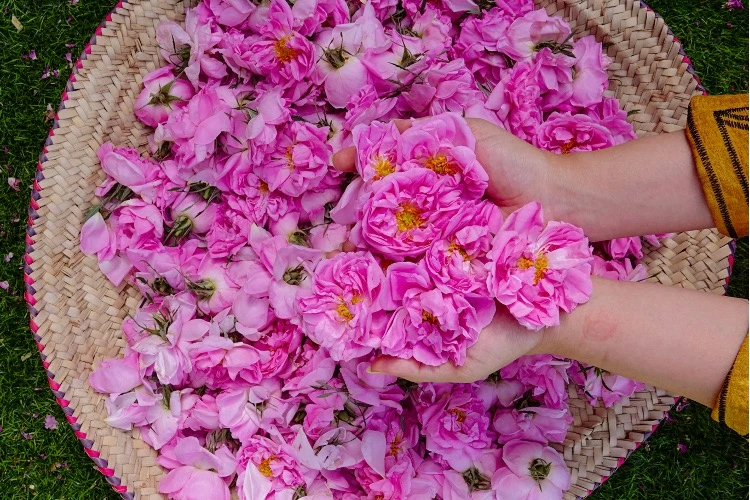
“The choice of the Taif rose reflects the project’s connection to the Kingdom’s cultural heritage; cultural practices associated with the flower were inscribed on UNESCO’s Representative List of the Intangible Cultural Heritage of Humanity in 2024,” a joint statement said.
The coffee recipes incorporate lavender — whose violet blossoms are synonymous with the Saudi landscape — alongside cardamom, saffron, mint, and lime.
These innovative blends combine flavors inspired by Saudi cuisine with additions that give each drink a unique character, linking the taste to its cultural story.
The collection includes three cold beverages: Rose Freddo combines coffee, Taif rose water, saffron, and rose petals; Saudi Rose Breeze features lime, mint, Taif rose water, sparkling lemonade, and espresso; and Lavrose Iced Shaken blends coffee with lavender syrup, rose water, milk, cream, and sweetened condensed milk.
The hot beverages include Rose Tres Leches, which combines coffee and Taif rose water with milk, evaporated milk, and sweetened condensed milk, complemented by notes of cinnamon and rose petals; Nesaoudi coffee, which blends espresso with cardamom, saffron, and Taif rose water; and Rose Cortado, which features coffee, Taif rose water, vanilla syrup, and milk foam.
These recipes reflect the Culinary Arts Commission’s initiative to develop experiences that draw inspiration from national ingredients and present them in contemporary ways.
They aim to link local stories with products that the public can discover and taste, thereby fostering pride in Saudi culinary identity and giving its elements greater visibility.
CEO of the Culinary Arts Commission Mayada Badr stressed that innovation is fundamental to preserving heritage. Presenting traditional ingredients in new ways creates opportunities for products aimed at younger generations that spark their curiosity and encourage them to engage with this heritage.
“This approach directly contributes to raising awareness among the new generation of the cultural value of the Taif rose, as one of the exceptional Saudi flavors of which we are proud,” she said.
The inscription of the cultural practices associated with the Taif rose on UNESCO’s List of Intangible Cultural Heritage is an indication that the “world has come to view this precious product as part of humanity’s shared heritage.”
Badr highlighted the complementary nature of the various roles involved in the initiative, saying: “While cultural initiatives rely on the efforts of official bodies and international organizations to support and safeguard this element of heritage, the private sector remains the cornerstone in turning it into a tangible reality by incorporating local crops into their products and everyday dishes.
“Commercial establishments contribute effectively to developing the supply chain and generating growing demand that enhances the value of the product. A prime example is the prominent presence of the Taif rose today in the global coffee industry as a widely popular everyday beverage. At the Culinary Arts Commission, we place the sustainability and quality of supply chains at the forefront of our priorities, to ensure that Saudi culinary arts are accessible and actively promoted both locally and globally,” she added.
Mais Sukkar, head of marketing at Nespresso in Saudi Arabia, said that “the partnership reflects a shared belief that heritage and innovation can coexist, creating new ways for people to engage with and appreciate Saudi culture.”
She told Arab News the partnership is about learning from authentic aspects of Saudi culture through coffee, while spotlighting uniquely Saudi ingredients and their stories, and contributing to a broader conversation around coffee and hospitality.
“International brands have a responsibility to approach local ingredients with curiosity, respect and authenticity,” Sukkar said.
Sukkar said she believes that coffee inspired by traditional Saudi aromas can succeed globally, noting that consumers are increasingly interested in discoveries connected to place and culture and that many culinary traditions have gained global recognition because they remained authentic to their origins.