One-third of cancers are preventable because they are linked to lifestyle choices, a doctor said at a major cancer conference here on Thursday.
Ali Al-Shinqiti, a blood and cancer consultant, said the factors include obesity, weight gain, excessive consumption of red meat, low consumption of leafy vegetables and fruit, failure to treat diseases such as Hepatitis C, smoking, and the use of drugs and alcohol.
Al-Shinqiti said the way to treat these cancers include several interventions such as surgery and changing the diet of a sufferer. However, the success of this treatment would depend on the type of cancer, general health of the patient, physiological state, age, and physical strength.
“The presence of other diseases, of the heart, kidney, liver, blood pressure and diabetes, play a significant role in determining the treatment plan's success.”
He said the skills of the treating physician and medical team are also an important part of the treatment, especially in helping to overcome the psychological impact resulting from diagnosis and subsequent care.
“The medical team should be aware that this malicious disease affects not only the patient, but everyone close to the person, such as friends and family, either directly or indirectly. This effect on other individuals may cause a negative impact on the patient, unless the situation is properly handled.
“Although current centers in the Kingdom play an important role in the comprehensive plan for cancer treatment, there is a shortage of physical therapeutic services for patients.”
He said Saudi society was religious, but there was a lack of psychosocial support programs.
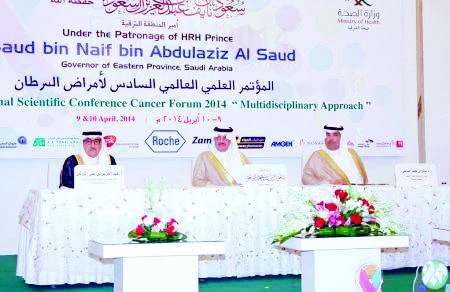
Prince Saud bin Naif, governor of Eastern Province, opened the conference on Wednesday, with the participants including 42 international consultants and 65 Saudi consultants and specialist doctors.
The Saudi Cancer Society organized the two-day conference with the Eastern Province health directorate. It focused on major types of cancer in the Gulf and included a health care management course, scientific program and various important topics such as the role of nurses in providing quality cancer care.
Various international organizations participated. They included the Cancer Advocacy Leaders’ Alliance for Middle East and Africa.
‘A third of cancer cases preventable’