On the occasion of the 44th anniversary of the independence and national day, I convey my heartfelt greetings and felicitations to my compatriots living at home and abroad.
On this memorable day, I recall with profound respect the greatest Bangalee of all time and Father of the Nation Bangabandhu Sheikh Mujibur Rahman, who proclaimed independence in the early hours of March 26, 1971.
Responding to his clarion call, people from all walks of life participated in the War of Liberation and achieved victory on the 16 December, 1971.
On this day, I pay my deep homage to the three million martyrs who laid down their lives in the War of Liberation in 1971 as well as those who received severe injuries in the battle field.
I also remember the quarter of a million mothers and sisters who sacrificed their honor and dignity in the cause of our freedom.
It all began with the assertion of our national identity in the face of systematic denial, discrimination and deprivation of an identity rooted in a millennia-old heritage of language, culture and customs.
It evolved through the shaping of political demand for inclusion and equal access to opportunities, against all forms of exploitation of the Bangalee people.
It was crystallized into the 6-point program of action put forward by Bangabandhu for the emancipation of our people. Then the landslide victory of the Awami League in the general elections of December 1970 and the Pakistani military government’s refusal to hand over power led to the non-co-operation movement culminating in the declaration of independence by Bangabandhu.
After the tragic events of August 15, 1975, when Bangabandhu was killed along with most members of his family, Bangladesh lapsed into a long period of military dictatorships and the people under the leadership of Sheikh Hasina had to wage another battle for the restoration of democracy.
After the restoration of democracy, Sheikh Hasina was elected prime minister in 1996.
She started from where Bangabandhu had left, and once again the country was restored to a place of honor among the comity of nations.
During her first term (1996-2001), Bangladesh witnessed remarkable progress at home and earned global recognition as well.
Following her landslide victory in the December 2008 elections, Bangladesh made major strides during the second term (2009-2013) especially in the social sector such as reduction of maternity and child mortality rate, revolution in the education sector particularly at the primary level, empowerment of women, development of infrastructure and power generation.
The impressive performance of the present government helped earn international recognition and Bangladesh has been acclaimed as a role model for her successes.
Prime Minister Sheikh Hasina’s tremendous success for the improvement of the lives of the common people led to the re-election of Awami League and its alliance on Jan. 5 2014.
Prime Minister Sheikh Hasina has set forth a vision of a middle-income, technologically advanced and knowledge based Bangladesh by 2021 which we expect to attain even before the target date.
She has also put forth a vision for 2041 when Bangladesh will take its place in the world stage as a developed country.
On the international front, we have demonstrated our ability to forge partnerships with our neighbors and beyond.
We are deeply involved in the process of multilateralism, through global and regional commitments.
But the defeated anti-liberation, communal and reactionary forces are engaged in destabilizing the democratic, non-communal and non-confrontational ethos of the country and impeding the development process.
The government remains pledge-bound to bring to justice all the crimes committed against humanity during the War of Liberation in 1971 and to end the culture of impunity.
The international community has extended their full support and cooperation for this just cause.
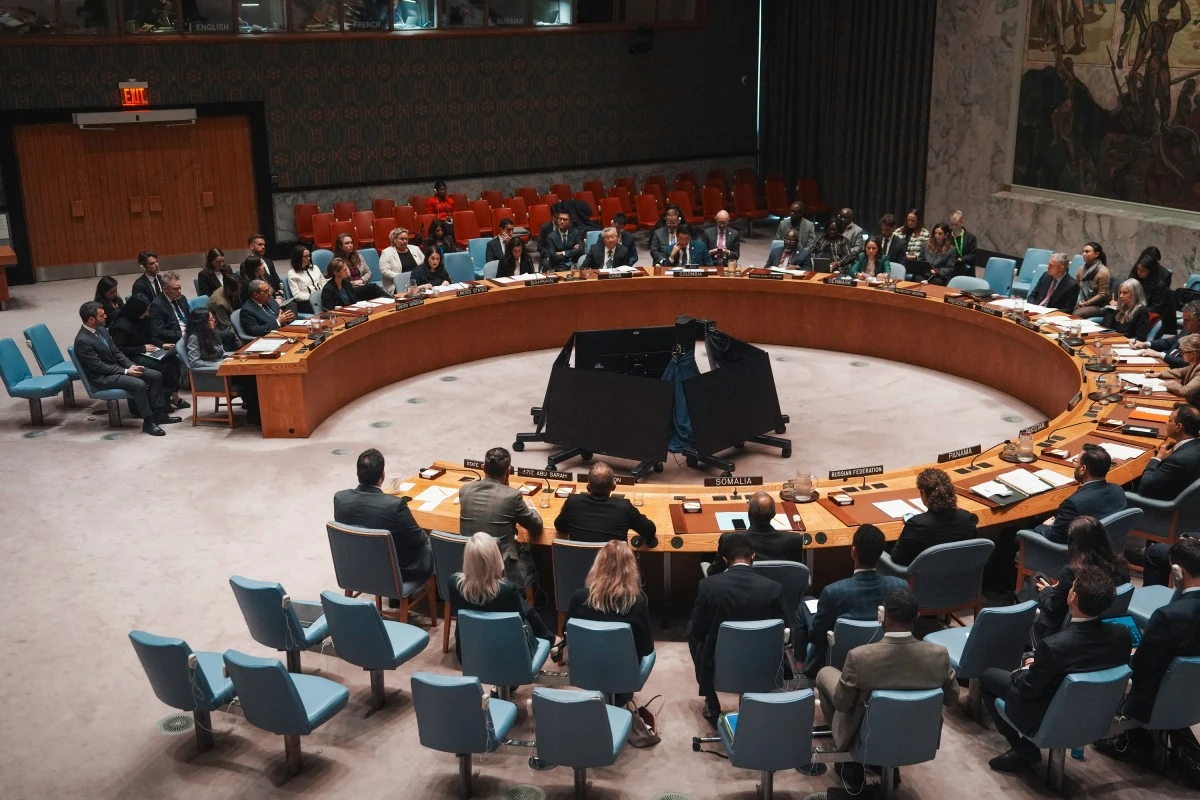
You are perhaps aware that Bangladesh won a record number of elections in the UN and other international organizations in quick succession in 2014.
The notable victories of Bangladesh include the Memberships of the UNICEF Executive Board for the term 2015-2017, the UN Human Rights Council for the term 2015-2017, the Committee on the Elimination of Discrimination Against Women (CEDAW) for the term 2015-2018, the International Telecommunication Union (ITU) Council for the term 2015-2018.
Bangladesh’s candidacy was also successful in becoming chairperson of the Commonwealth Parliamentary Association (CPA), president of the Inter-Parliamentary Union (IPU), director general of the International Mobile Satellite Organization (IMSO), president of the High-level Committee of South-South Cooperation and Deputy Member of the Governing Body of the International Labour Organization (ILO).
On this very day, I take this opportunity to thank all the officers and staff at the Ministry of Foreign Affairs and Bangladesh Missions abroad who have devoted themselves to achieving our foreign policy objectives.
I also congratulate the Bangladesh Diaspora who have contributed greatly to the buoyancy of the economy of their motherland as well as to further development of their host countries.
Today, Bangladesh is marching ahead in great strides in all fields under the leadership of our dear leader, Bangabandhu’s daughter, Prime Minister Sheikh Hasina.
On this great Day, I urge all to work unitedly imbued with the spirit of the War of Liberation to expedite our economic development, self-reliance and democratic advancement of the country for the realization of Bangabandhu’s dream of Sonar Bangla (Golden Bengal) in a ‘Digital Bangladesh’.
Joi Bangla!
Joi Bangabandhu!
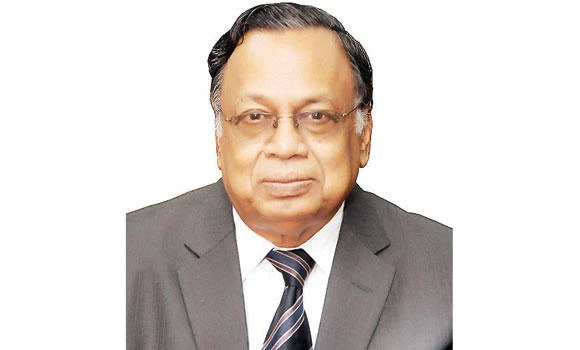
Abul Hassan Mahmood Ali, MP, Foreign Minister
Bangladesh making great strides in all fields