A pilgrim traffic management expert expects that the luggage accompanying the pilgrims leaving the Kingdom for home will be around 120,000 tons. They will be traveling to 500 cities within 182 countries, through 16 points of departure.
The Consolidated Agents Bureau (CAB) boosted its presence at the air, land, and sea points of departure from the Kingdom. It launched its “second phase” operational plan, and the staff is working around the clock to facilitate the departure of the pilgrims.
Farouq Abu Zaid, chairman of CAB, said that the second phase starts by receiving and welcoming the pilgrims upon their arrival from Makkah and Madinah. “There is no more crowding, luggage is transported swiftly, and there are wheelchairs for the elderly,” he said.
“We started work from the third day of the Eid, and we wanted to oversee the procedures and best serve the pilgrims,” he said.
Abdulilah Al-Jadaa, a CAB board member in charge of public relations and media, said that “as soon as most Haj institutions are done with the pilgrims, we start receiving them at the points of departure. The peak times of ‘post-Haj activities’ are when the pilgrims start leaving the Kingdom, which is usually during the middle of Dhul Hijjah. Normally we handle 60,000 pilgrims leaving the Kingdom everyday.”
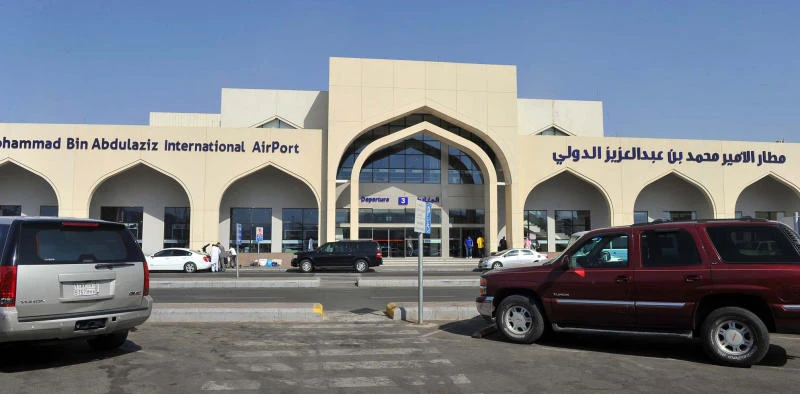
“We receive more than 1,000 buses at King Abdul Aziz International Airport everyday. The airport handles more than 70 percent of the foreign pilgrim traffic.
“These buses transport more than 52,000 pilgrims, who start coming to us on Dhul Hijjah 13. The processing time for each bus is 20 to 30 minutes on average,” he said.
In order to handle the heavy traffic, CAB has deployed 3,000 personnel of various nationalities. They help in loading and moving the luggage. “We deployed more than 58 electric escalators to move the luggage. We expect that the pilgrims will carry home with them luggage that weighs about 120,000 tons,” he said.
Elaborate arrangements for outgoing pilgrims