The government provides special care for female orphans at its Social Affairs facilities including accommodation, education and even handling marriage proposals, an official said here recently.
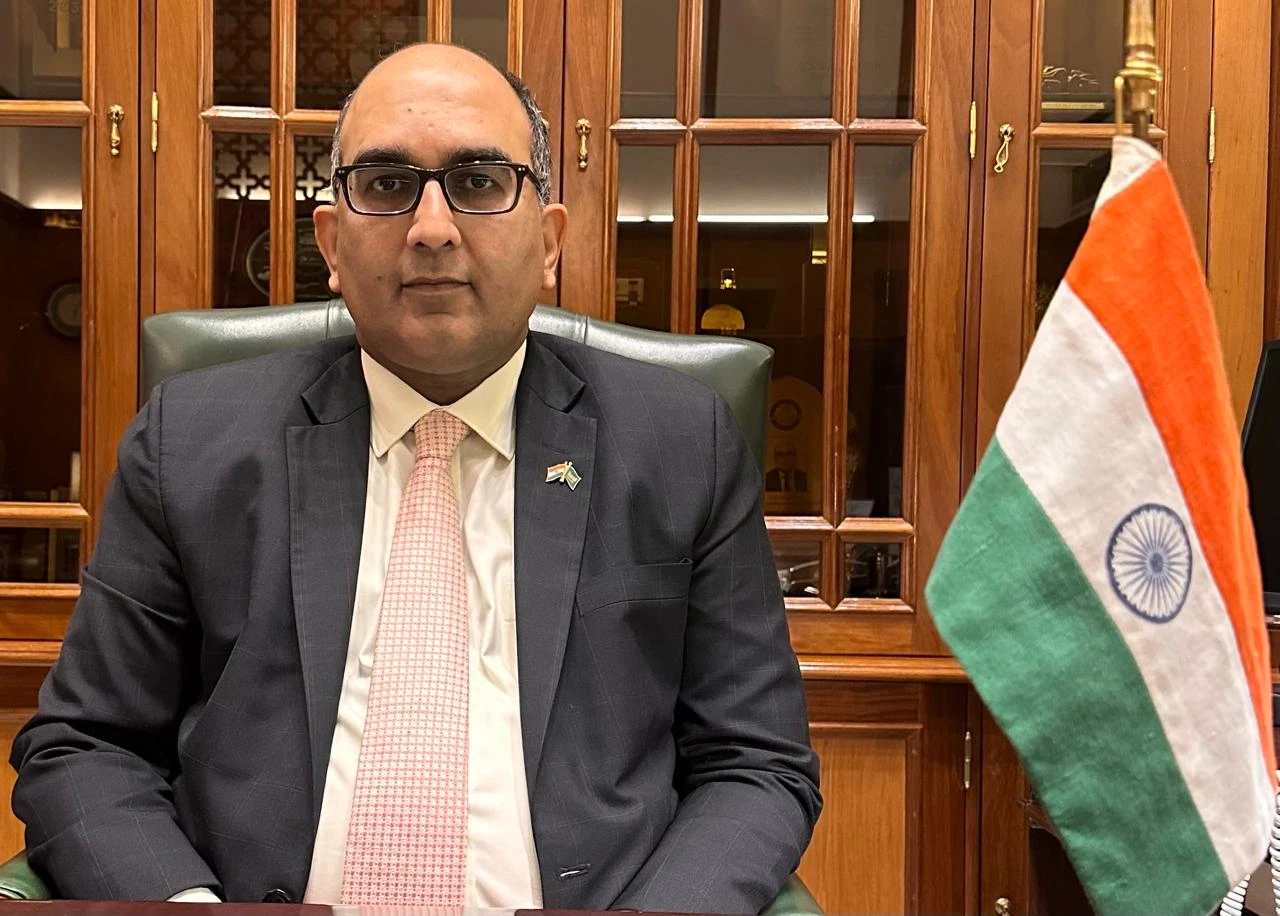
Abdullah Al-Tawi, director general of the social affairs department in Makkah region, told Arab News that these parentless females are considered “our daughters” as soon as they arrive. “Orphans are divided into three categories — those living in our orphanages, with foster families or cared for by charities,” said Al-Tawi.
Al-Tawi said Islam calls on Muslims to show mercy toward orphans. Prophet Muhammad, peace be upon him, once said that the person who cares for an orphan is destined for paradise.
“A family that looks after an orphan usually only seeks reward from Allah. However, the Ministry of Social Affairs helps that family with SR3,000 a month,” Al-Tawi said. The ministry monitors families and orphans, he said.
Al-Tawi said the government provides education for female orphans to ensure they become good mothers. It also ensures they have access to various recreational activities including outings.
“We take them to various commercial and recreational centers. And on trips to Abha, Madinah, Makkah and other cities they want to visit,” said Al-Tawi.
According to the ministry’s website, orphans of both genders receive monthly payments. A primary school child gets a SR500 stipend, an intermediate student SR700, a secondary school student SR900 and a university student SR1,200.
The government is the lawful guardian of the parentless women after they turn 18, with officials handling all marriage proposals. “When a young man asks for a young woman’s hand in marriage, he has to fill in an application form with all his information. We conduct a comprehensive study of his case and see how suitable he is intellectually and academically,” said Al-Tawi.
He said officials act like concerned fathers who only want the best for their daughters. Interested suitors either approach the ministry through the woman’s relatives or branches of the ministry.
Al-Tawi said a suitor must have a health certificate showing he has no serious health problems. The woman also fills in a marriage application stating she accepts the proposal. The marriage contract is then sent to a court for a judge to endorse, he said.
He said the ministry gives the bride SR60,000 to help her begin her married life. Some women orphans are PhD holders while others are studying for advanced degrees on government scholarships, said Al-Tawi.
He said ministry officials act as marriage counselors to help the young couple overcome any hurdles during the early stages of their union.
If a woman is divorced, the ministry takes her back into one of its orphanages. “But if she has children and wants to live outside the orphanage with them, we can arrange for their accommodation in a 20-flat building we are renting in Jeddah for such cases,” he said.
Female orphans receive utmost care