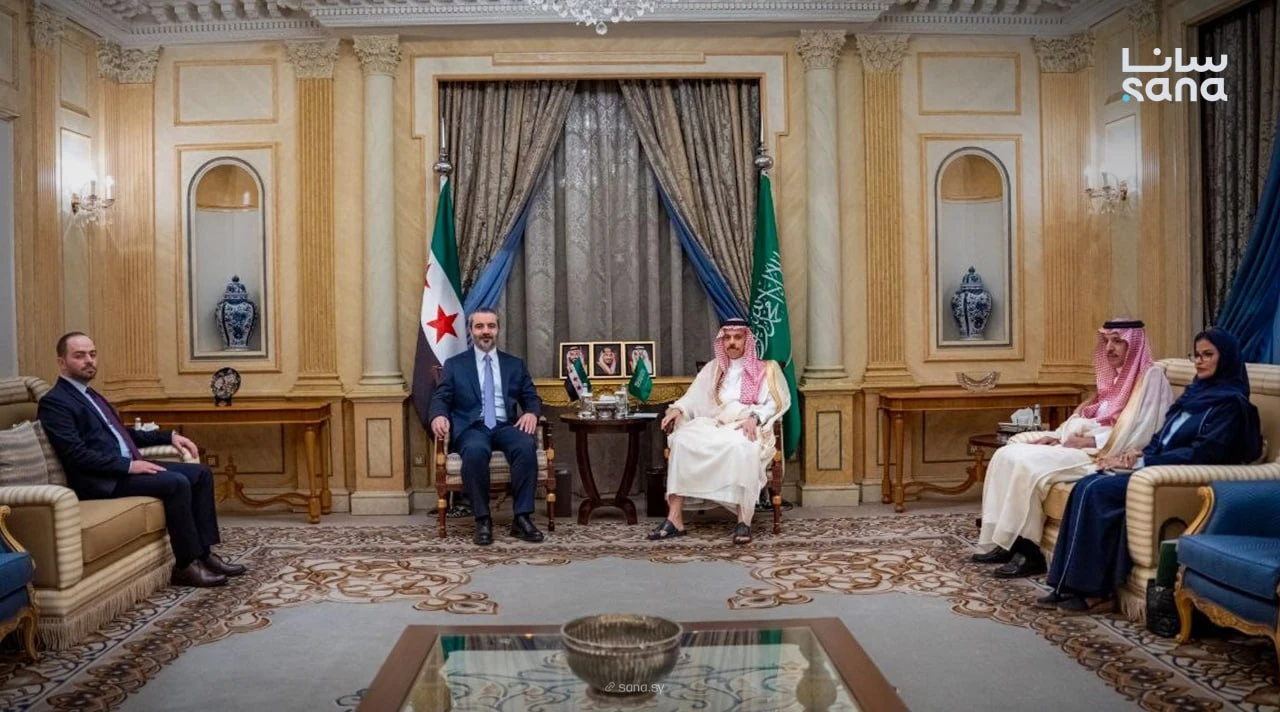
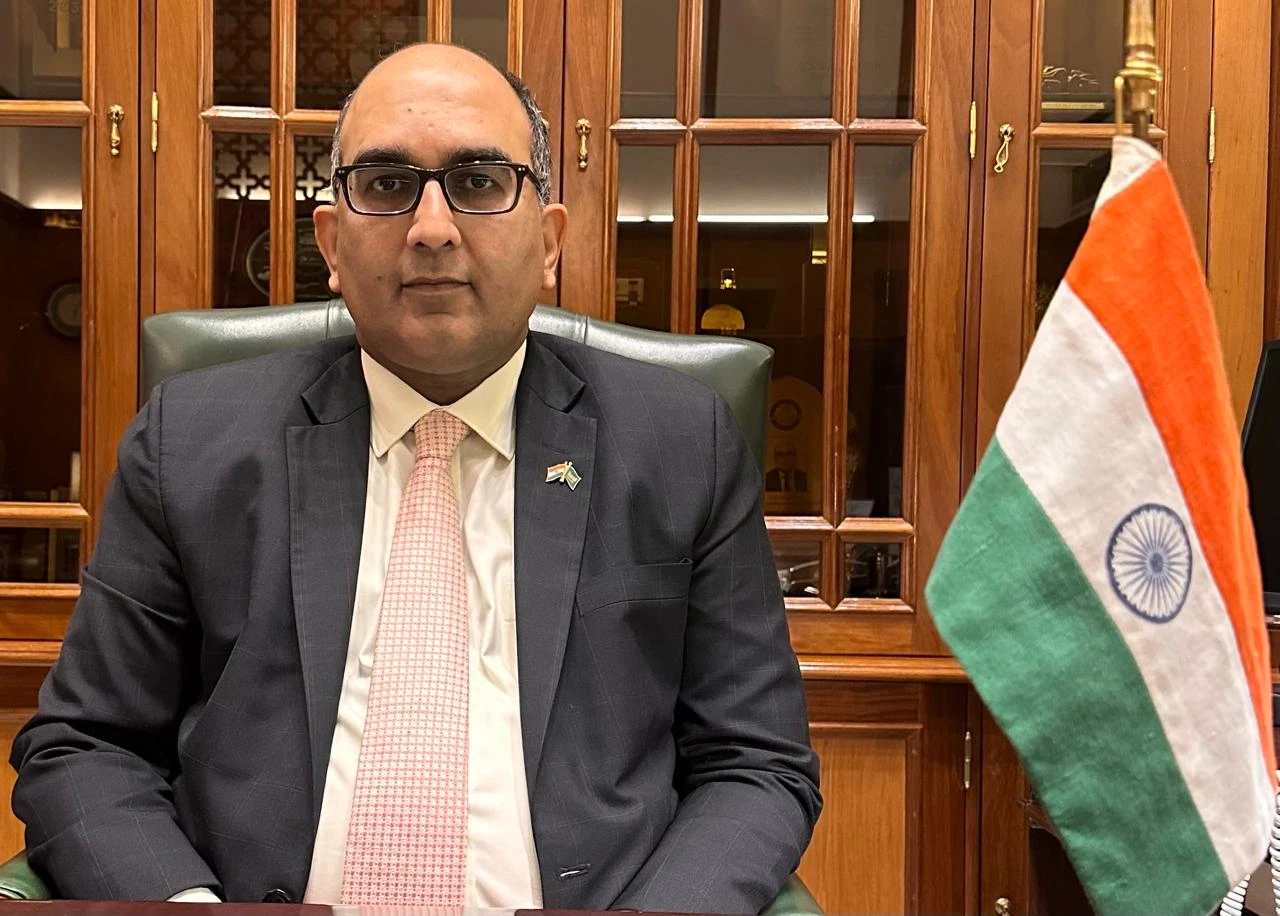
The health of Indian pilgrims is top priority for the consulate-general and the Embassy of India, Indian Minister for Health and Family Welfare Ghulam Nabi Azad told a press conference in Makkah on Saturday.
He said that Saudi authorities are keen on the health of the Hajis and spare no effort in seeing that they perform their rituals in health and safety.
Azad, who is heading the Indian Haj Goodwill delegation, which comprises Ambassador Hamid Ali Rao, said that they met the oldest Indian Haji this year. Ismail from Haryana is 107 years old, as also a woman Haji, named Havabibi Shaikh from Gujarat who is 102 years old.
Because her son has died, her grandson accompanied Havabibi Shaikh. “The grandson mustered the courage and took all the formalities upon himself.”
Ismail’s only son is dead, and his son-in-law is accompanying him. “That shows how close-knit the Indian society is. Old people are not left on their own. They are cared for by their immediate or near relatives,” added Azad.
The delegation visited the holy sites to interact with the Hajis and look into the difficulties that they are undergoing, and solve these.
“There is adequate space,” said Consul General Faiz Ahmad Kidwai. “The tents are properly laid out and there are 34 new moallims who are trying their best to give better service,” he added.
Azad said that health wise there are no complaints. The number of toilets — one for 12 people — would be increased to one for six people.
He said that they visited Umm Al-Qura area where they met Hajis from Kashmir, Gujarat, and visited the 50-bed hospital at Jarwal. In Azizia they visited the 30-bed hospital and talked to Hajis from Tamil Nadu, Uttar Pradesh, and Kerala.
Kidwai made a presentation on the Haj arrangements and raised the issue about the limit on the total number of luggage that the Hajis can take home. They carry lot of dates, which increases their baggage allowance. The matter will have to be taken up with the airlines, so that these could be provided at disembarkation points just as the airlines provide Zamzam.
He said that during the visit they found women cooking in rooms that they stay in. “We don’t want women to waste time on cooking because they have come to perform Haj and pray,” he said, adding that in future there might be a common kitchen in their accommodation.
Azad said that the two basic purposes of the delegation were to visit different places, meet Hajis, see the accommodation, the arrangements, interact with the consul general and all those who are making arrangements, besides meeting the Saudi Haj minister, and to attend the reception by the Custodian of the Two Holy Mosques. “More than that it is to oversee the arrangements. Having led delegations over nearly three decades, I have seen that when I came for the first time, the smaller delegation had much more time for inspection visits,” he said.
Later on with each passing year, the number of members grew and the time of the consulate meant in making arrangements for the Hajis was wasted in making and overseeing arrangements for the delegation, who were themselves supposed to assess the consulate in making the arrangements. So the leader was also wasting all the time on the accommodation — every member wanting different type of accommodation, cars and all that. Ultimately the Supreme Court of India noticed this and it decided last year that the number of the delegation should be reduced to two — one minister and one ambassador.
Arab News