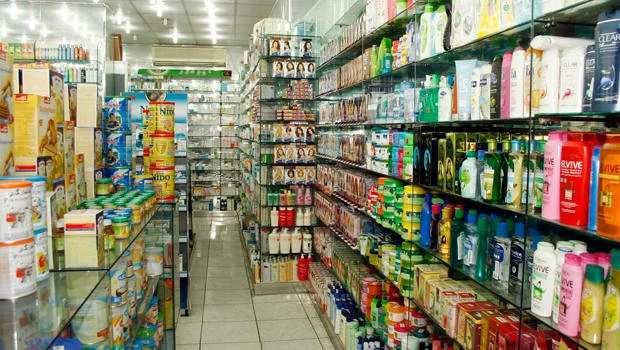
The price of medicines for major diseases and conditions such as diabetes, cholesterol, heart disease, blood pressure and rheumatism are on the rise in the Kingdom despite the existence of local drug factories.
Citizens have expressed their objections at the ever-increasing prices of such medicines and the price of baby formula in comparison with other Gulf and nearby Arab states.
Um Rayyan said she brought an anti-inflammatory medication for a mere SR5 in a neighboring country.
“The same medicine here costs 10 times as much even though the two drugs have the same pharmaceutical composition,” she said. “I do not understand why local companies do this.”
Suad Al-Salem, a resident, said that the majority of Saudis do not have health insurance and are forced to buy their medicine at full price.
Pharmacist Mohammed Salem, however, denied that drug prices are high. “Prices depend on the type of drugs and the raw products used to make these drugs, which are sometimes imported from European countries,” he said.
Pharmacists said anti-inflammatory medicine and medicine for blood pressure and diabetes are in daily demand.
“Children’s antibiotics and painkillers are in demand throughout the year,” said Abdul Aziz, a pharmacist.
Antibiotics top the list of most bought medication, with an annual revenue of almost SR300 million. Sexual tonics come second at SR262 million, while painkillers rake in an estimated SR175 million per year.
Economist Fadel Aboul Enein said drug prices are set by the Ministry of Health. “We can’t change these prices, but some products, such as nutritional products for children, are subject to a continuous price increase,” Aboul Eineen said. “The price of children’s milk, for instance, has increased by 30 percent in a single year.”
Aboul Eineen said that inspection teams should monitor prices, especially in light of the fact that price variations between pharmacies can sometimes reach 15 percent.
High drug prices anger citizens