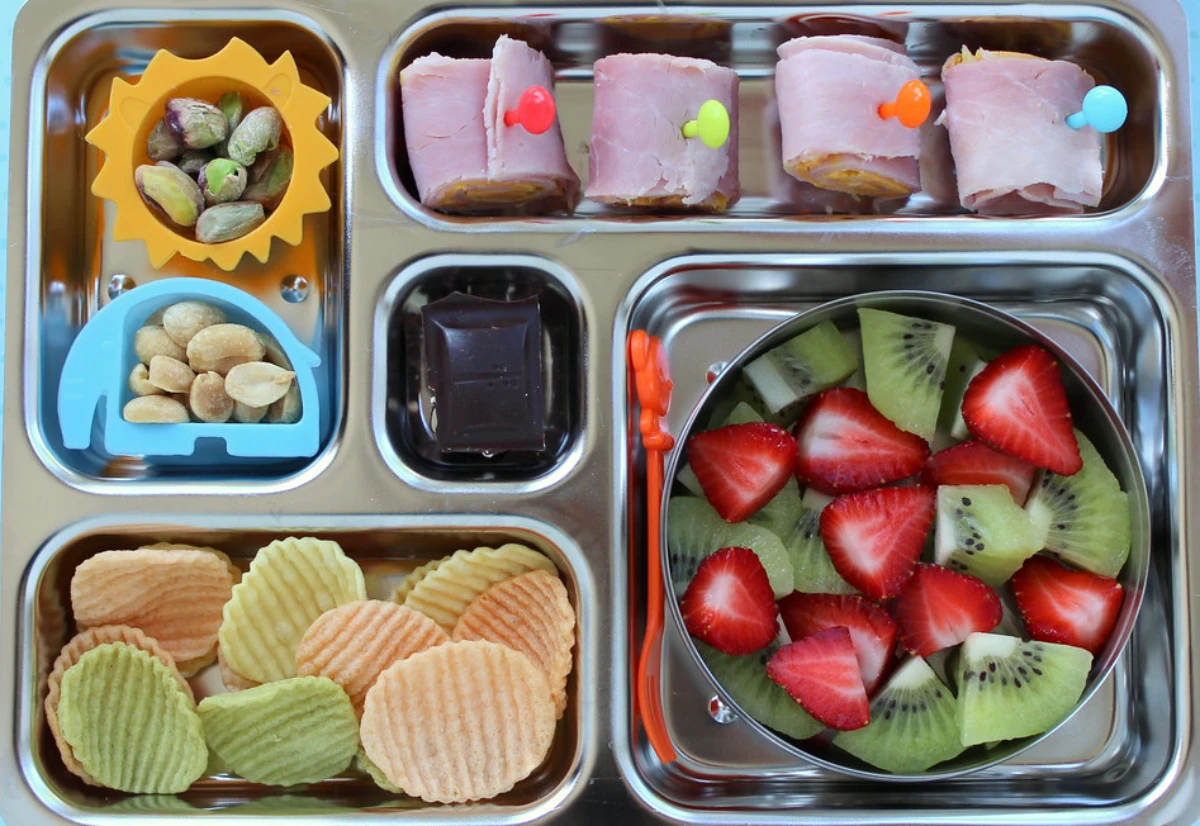
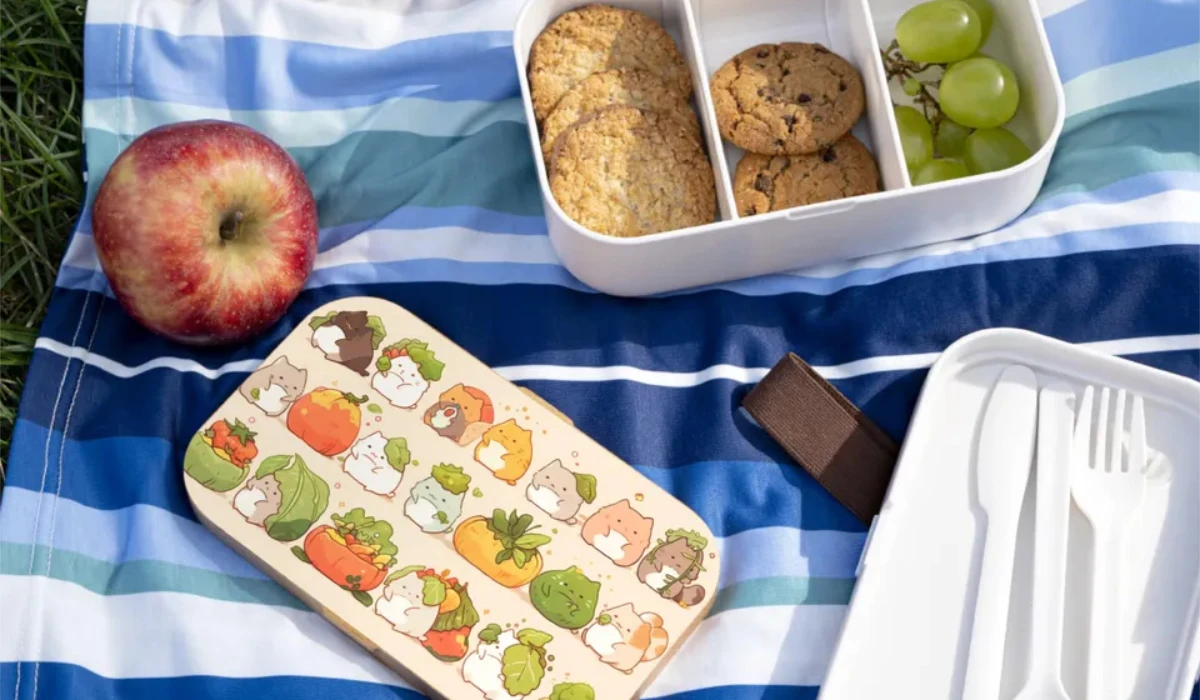
- Saudi parents are increasingly prioritizing nutrition and thoughtful meal planning for school lunchboxes, a significant change from past generations
- The “Live Well Lunchbox” campaign, a collaboration between the Ministry of Health and Ministry of Education, guides families in preparing balanced and healthy school meals
ALKHOBAR: Every school morning, Sara Al-Qahtani faces a small negotiation at her kitchen counter.
Her 8-year-old son wants something he will actually eat. She wants something that will survive several hours in a lunchbox, give him enough energy for the school day and return home with as few leftovers as possible.
The result is usually simple: a small sandwich or wrap, fruit, vegetables, a dairy item and sometimes dates or another snack. But Al-Qahtani says considerably more thought goes into that box than she remembers from her own school days.
In January 2026, the Ministry of Health’s Live Well initiative, in collaboration with the Ministry of Education, launched the ‘Live Well Lunchbox’ campaign, aimed at encouraging healthier food choices among students and giving families practical guidance for preparing balanced school meals.
“When I was his age, I don’t remember there being this much thought about what went into the school bag,” she told Arab News. “Now I’m thinking about protein, fruit, how much sugar is in something and whether he will actually eat it. You can prepare the healthiest lunch in the world, but it doesn’t help if it comes back untouched.”
Across Saudi households, the school lunchbox sits at the intersection of several competing demands: nutrition, convenience, children’s preferences and the realities of busy mornings.
It is also receiving greater attention from health and education authorities as the Kingdom looks at what children eat not only at home, but during the hours they spend at school.
In January 2026, the Ministry of Health’s Live Well initiative, in collaboration with the Ministry of Education, launched the “Live Well Lunchbox” campaign, aimed at encouraging healthier food choices among students and giving families practical guidance for preparing balanced school meals.
The accompanying guide offers lunchbox recipes and suggestions for combining food groups and choosing healthier alternatives, taking an everyday task for parents and placing it within a wider discussion about childhood nutrition.
Saudi health guidance recommends a balanced diet containing carbohydrates, protein, healthy fats, vitamins and minerals, while encouraging foods such as fruit and dairy products and limiting sweets.
For parents, however, nutritional value is only one part of the equation.
Food also needs to be quick enough to prepare before school, practical to carry, suitable for keeping until break time and familiar enough that a child will actually eat it without a parent nearby.
Al-Qahtani learned that through trial and error.
“At first I was making the lunchbox based on what I thought looked healthy,” she said. “Then I realized I needed to look at what he was actually eating. If the cucumber always comes back, putting more cucumber in the box isn’t solving anything.”
Instead, she began involving her son in choosing between a small number of options. He might choose between two fruits, for example, or decide what filling he wants in his sandwich.
The approach gives him some control without leaving the entire decision to an 8-year-old.
Children’s preferences are an important part of the equation. Saudi research involving primary school pupils has previously found that taste and personal preference can influence what children choose to eat, alongside parental influence and what is available to them at school.
For Noura Al-Dossari, a mother of two school-age children in the Eastern Province, the biggest change has been learning that a fuller lunchbox is not necessarily a better one.
“I used to think more was better,” she told Arab News. “I would put a sandwich, fruit, crackers, something sweet and maybe something else. Half of it would come back. Now I try to keep it simple and give them things they know.”
Her own memories of school food are different.
She remembers taking simple sandwiches, juice and packaged snacks, with considerably less conversation around protein, sugar or whether each food group was represented.
“I don’t remember my mother arranging everything into sections or thinking about it the way we do now,” Al-Dossari said. “She gave us food, we went to school and that was it.”
The change is not limited to what parents pack at home.
In early 2025, the Ministry of Education launched the pilot phase of a school nutrition program providing free daily servings of milk and dates. The initiative targeted more than 212,000 students at 800 schools in Riyadh, Jeddah and Al-Ahsa, with more than 8 million servings planned during the pilot phase.
School canteens also operate under health requirements covering food preparation, storage and handling, as well as the types and nutritional value of food and drinks offered to students.
The attention comes against a wider public-health challenge.
Figures published by the General Authority for Statistics showed that obesity prevalence among children aged 2 to 14 in Saudi Arabia stood at 14.6 percent in 2024, while 33.3 percent were classified as overweight.
That makes childhood eating habits a concern that extends well beyond what appears in a lunchbox on any individual morning.
Yet parents also have to navigate the difference between nutritional recommendations and what works in real life.
A carefully prepared meal is of little value if it is routinely discarded, while banning every sweet or packaged snack can turn food into another source of conflict.
Al-Dossari said she does not try to make every lunchbox perfect.
“If they want something sweet sometimes, I put something small,” she said. “I don’t want them to think there are foods they can never have. I just don’t want the whole lunchbox to be sweets and snacks.”
That approach has also changed the way she shops. Rather than buying school snacks simply because they are individually packaged or marketed toward children, she says she pays more attention to what her children consistently eat and how different foods can be combined.
For Al-Qahtani, meanwhile, the biggest shift has been giving her son more responsibility.
She wants him to recognize what makes a filling school meal rather than depend indefinitely on an adult to make every food decision for him.
Some mornings, that works better than others. Fruit still comes home occasionally. A sandwich gets abandoned halfway through. A snack disappears while everything else remains untouched.
The lunchbox, she has discovered, provides its own daily review.
“I want him to understand why I put certain things in there, not just eat them because I told him to,” Al-Qahtani said.
Then comes the simpler measure of whether the morning’s negotiations worked.
“If he comes home and the lunchbox is empty, that’s a good day.”