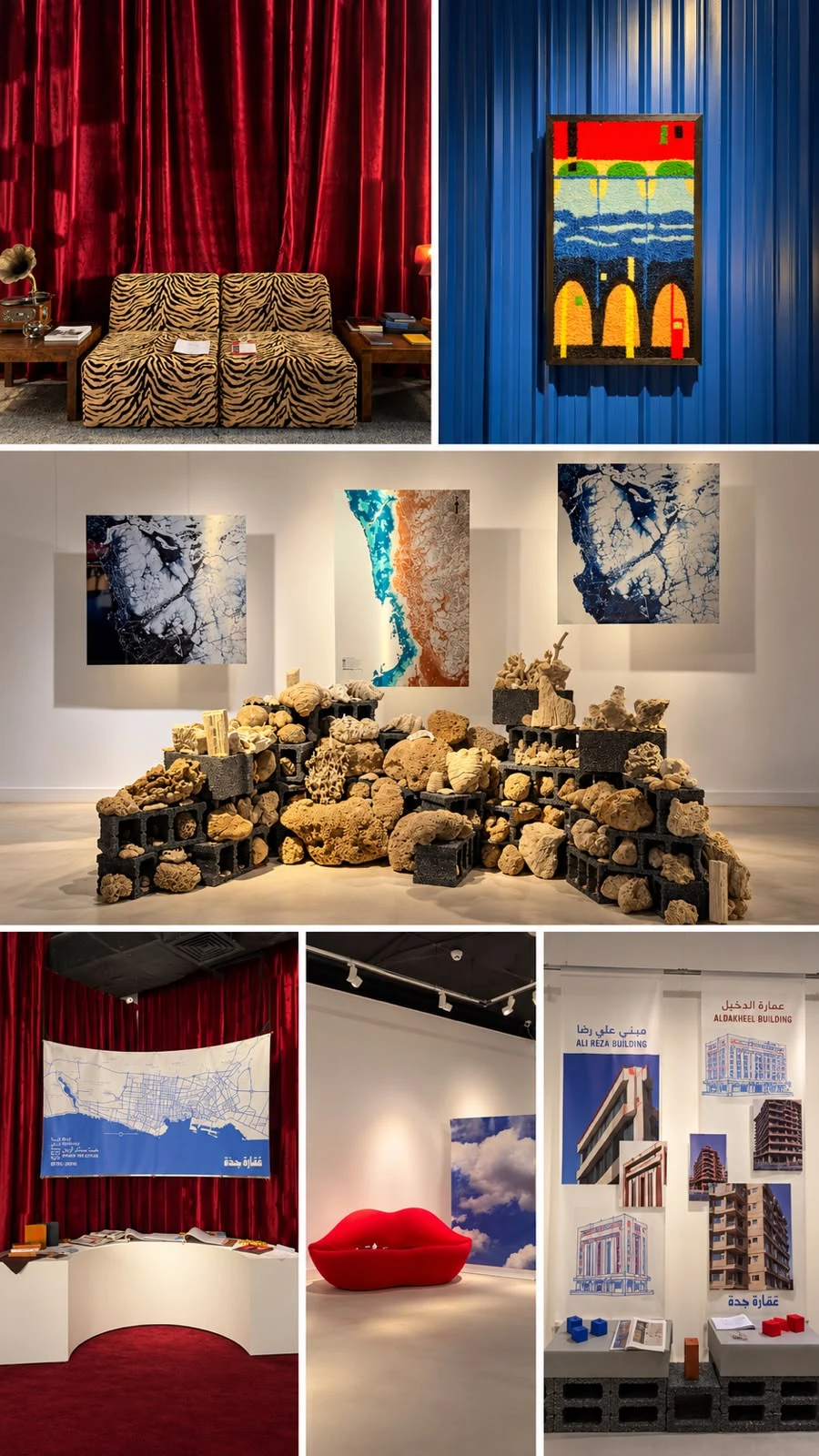
- Exhibition in Jeddah focused on the architectural heritage that shapes the city’s modern identity
- The exhibition highlighted the importance of preserving buildings from the 1970s to 2000s due to their cultural significance
JEDDAH: Visitors enjoyed an opportunity to explore the buildings and urban spaces that shaped Jeddah’s modern identity at the “Built Memories: Where Time Settles” exhibition, which highlighted the importance of preserving the city’s architectural heritage as it continues to develop.
The exhibition, which finished on Thursday, was held by Jeddah Architecture in collaboration with MNWR and examined how architecture, materials and everyday spaces have influenced the city’s collective memory.
Focusing on the period from the 1970s to the 2000s, it brought together architects, artists, designers and researchers through photography, painting, sculpture, film, installation and architectural models.
It was organized into three chapters: “Tracing the City,” examining the forces behind Jeddah’s development; “The Language of Buildings,” exploring its architectural features and materials; and “Continuity,” which considered how existing structures could be preserved and adapted.
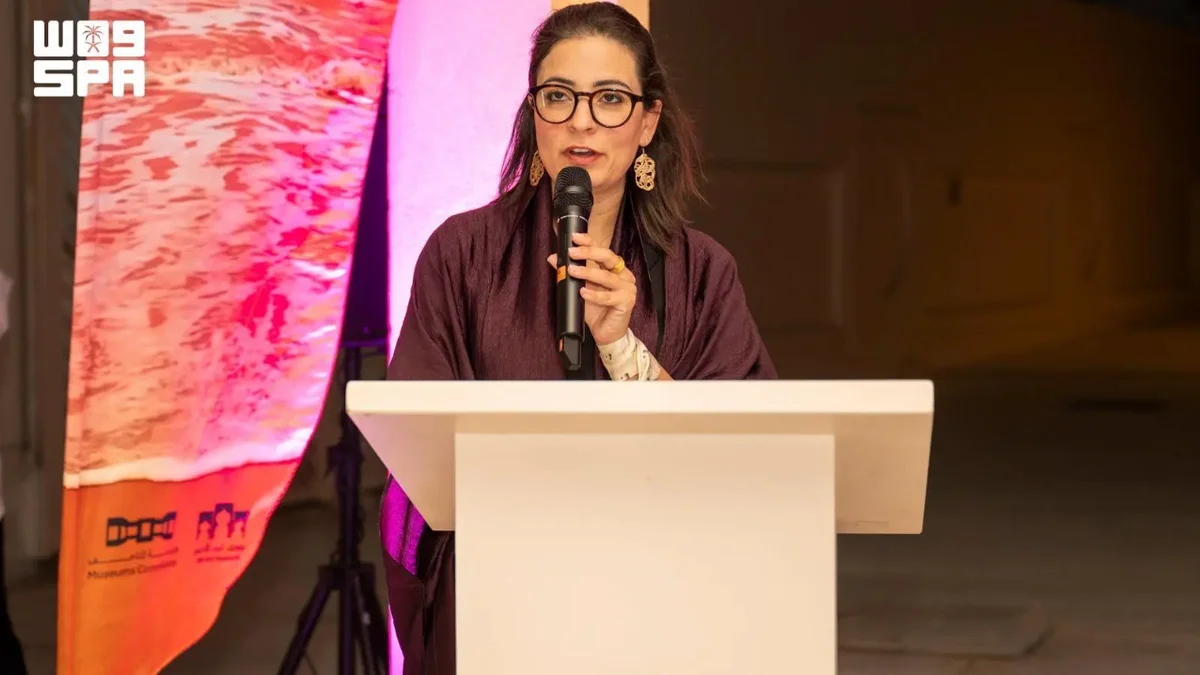
Wiam Kafyah, one of Jeddah Architecture’s architects and co-founders, said the idea began in 2014. While studying architecture in the city, she realized little attention was being given to its architectural history.
“Ten years later, my co-founder, Fatemah Al-Madani, and I began documenting Jeddah through photographs, research and stories,” she said. “Seeing how people connected with these buildings and shared their memories inspired us to go further.”
Kafyah said the exhibition brought together art and architecture to highlight the cultural significance of buildings that are often overlooked.
Al-Madani, an interior designer and the initiative’s co-founder, said research revealed the scale of Jeddah’s expansion during the 1970s oil boom. “In less than 10 years, the city grew to around five times its size, with rapid urban development,” she said.
Al-Madani also highlighted the influence of former Jeddah Mayor Mohammed Said Farsi, whose vision was to turn the city into an open-air museum where residents and visitors could enjoy art in public spaces.
“What makes this period so special is how architecture and public art grew together, shaping the identity of the Jeddah we know today,” she said.
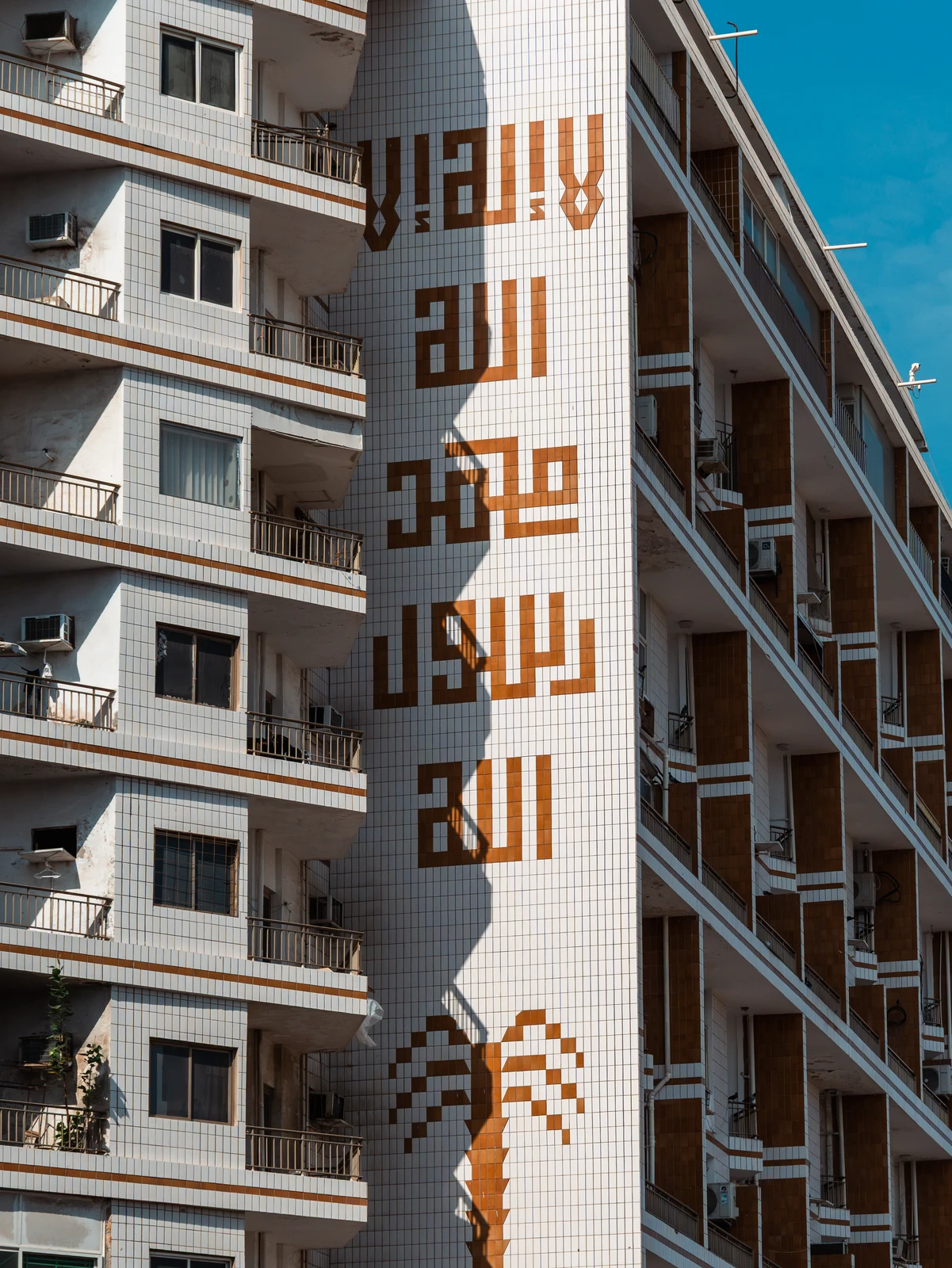
She believes buildings constructed between the 1970s and 2000s deserve greater recognition, particularly those combining international architectural styles with Hijazi influences and local identity.
“Some of these buildings are now nearly 50 years old, making it especially important to recognize and document their significance,” Al-Madani said, adding the initiative was working to register them as modern heritage.
Architect Franco Audrito, whose work spans residential properties, industrial facilities, offices, leisure spaces and educational building, presented a selection of his projects alongside a conference on architecture and quality of life.
Jeddah’s Corniche and the architectural heritage of its historic center had influenced his approach, he said, but the people of the city had made the strongest impression: “The most profound influence came from the people of Jeddah, who, over the centuries, arrived from diverse cultures through pilgrimage, bringing with them the values and experiences of their cultures of origin.”
He added he hoped his work would encourage younger generations to view architecture as a way of expressing values, responding to the present and imagining the future.
Jeddah Architecture’s contribution included rare books, historic maps, drawings of the Corniche, research papers and 3D-printed models of notable buildings. Samples of granite, patterned glass and glass blocks also illustrated materials used in the city’s built environment.
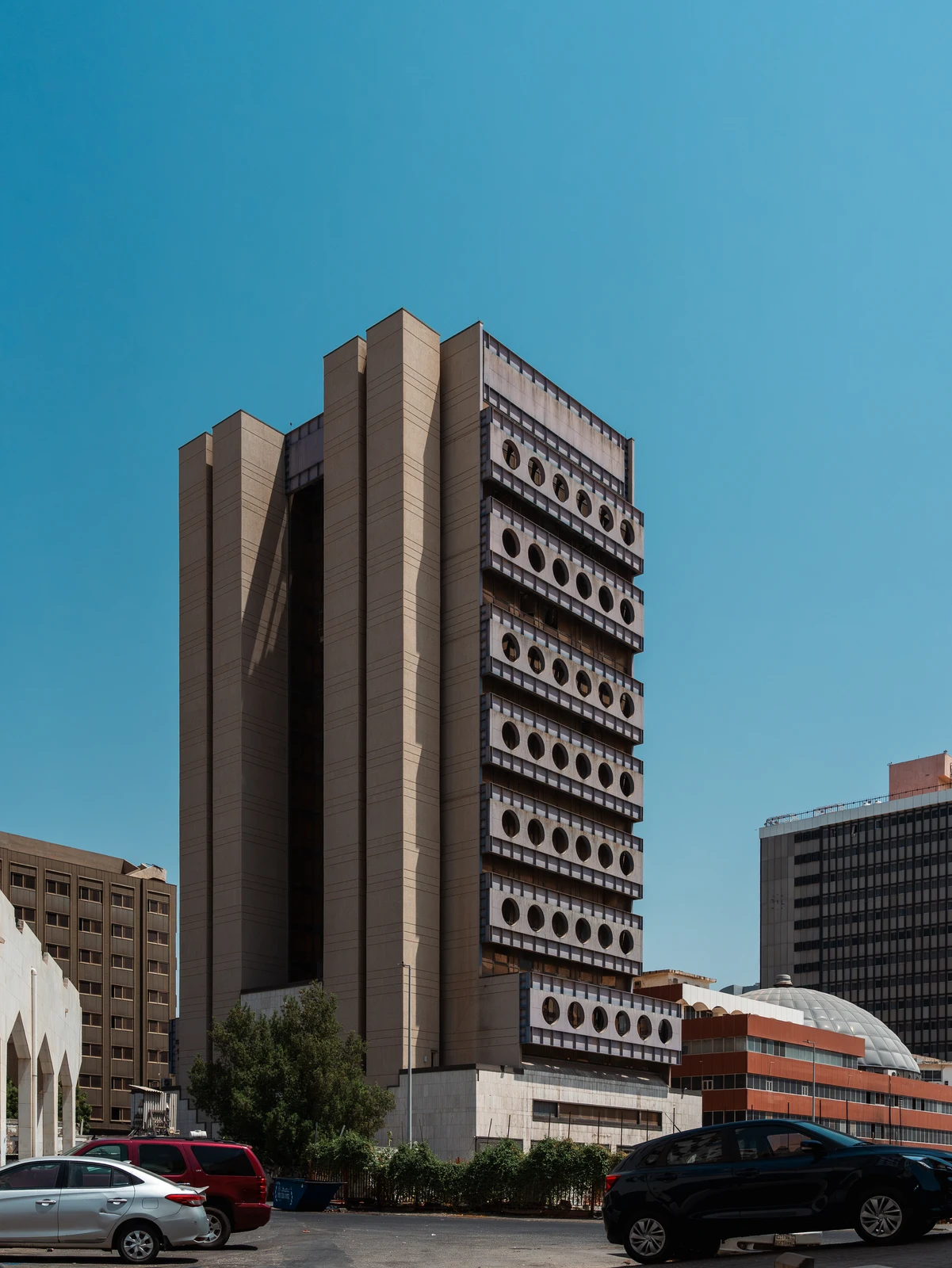
Abdulmohsen Adas, an architect on the exhibition team, and Samah Al-Sharif, a multidisciplinary urban designer, presented architectural models at a scale of 1:700, depicting buildings that helped define Jeddah’s skyline.
Adas said the city’s modern architecture reflected a combination of international modernism, traditional Hijazi influences and experimentation, while geometric facades, expressive concrete structures, shading elements and locally inspired materials contributed to its distinctive character. He cited the National Commercial Bank headquarters, commercial towers and residential buildings as examples of the period.
Al-Sharif, who moved to Jeddah from Madinah in 2023 said: “At first, I saw Jeddah through maps and plans. Over time, I began to walk its streets and notice the details those plans could not show me.”
She was drawn to both the historic houses of Al-Balad and modern buildings from the 1970s to the early 2000s, including villas and small commercial properties that often go unnoticed.
“Jeddah is not the city where I grew up, but it is the city that taught me to look more closely,” Al-Sharif said.
Seba Al-Darmsi, an interior designer on the exhibition team, said the combination of archival material, architectural models and building materials offered visitors a tangible way to explore the city’s development.
And interior architect Mayadah Al-Sawaf, another team member, hoped the exhibition would encourage people to pay closer attention to the structures around them. “We get so used to the buildings we grew up around, that we don’t stop to take a real look at them,” she said.
Al-Sawaf said the architecture of the 1970s through to the 1990s reflected a distinctive transitional period and expressed hope younger generations would recognize the links between earlier designs and contemporary architecture.
Artist and designer Raghad Al-Ahmad presented “The Architecture of Belonging,” a work inspired by Jeddah’s historic architecture and the stories behind its details. She said the city’s older buildings, Roshan windows and traditional patterns continued to influence her work and added she hoped visitors would see architectural heritage as something that could inform contemporary art and design rather than as a legacy confined to the past.
The exhibition also featured a public program of talks, panels and guided tours involving architects, researchers and other contributors, including members of City Lab.