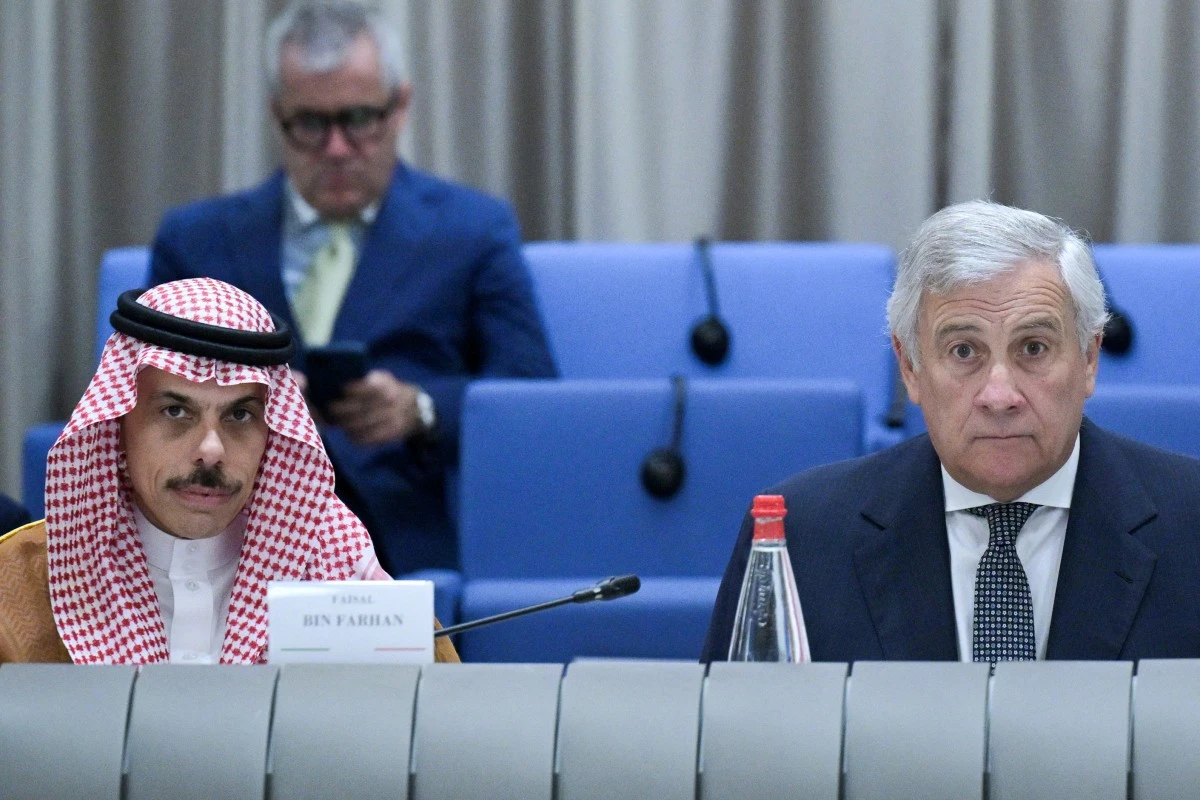
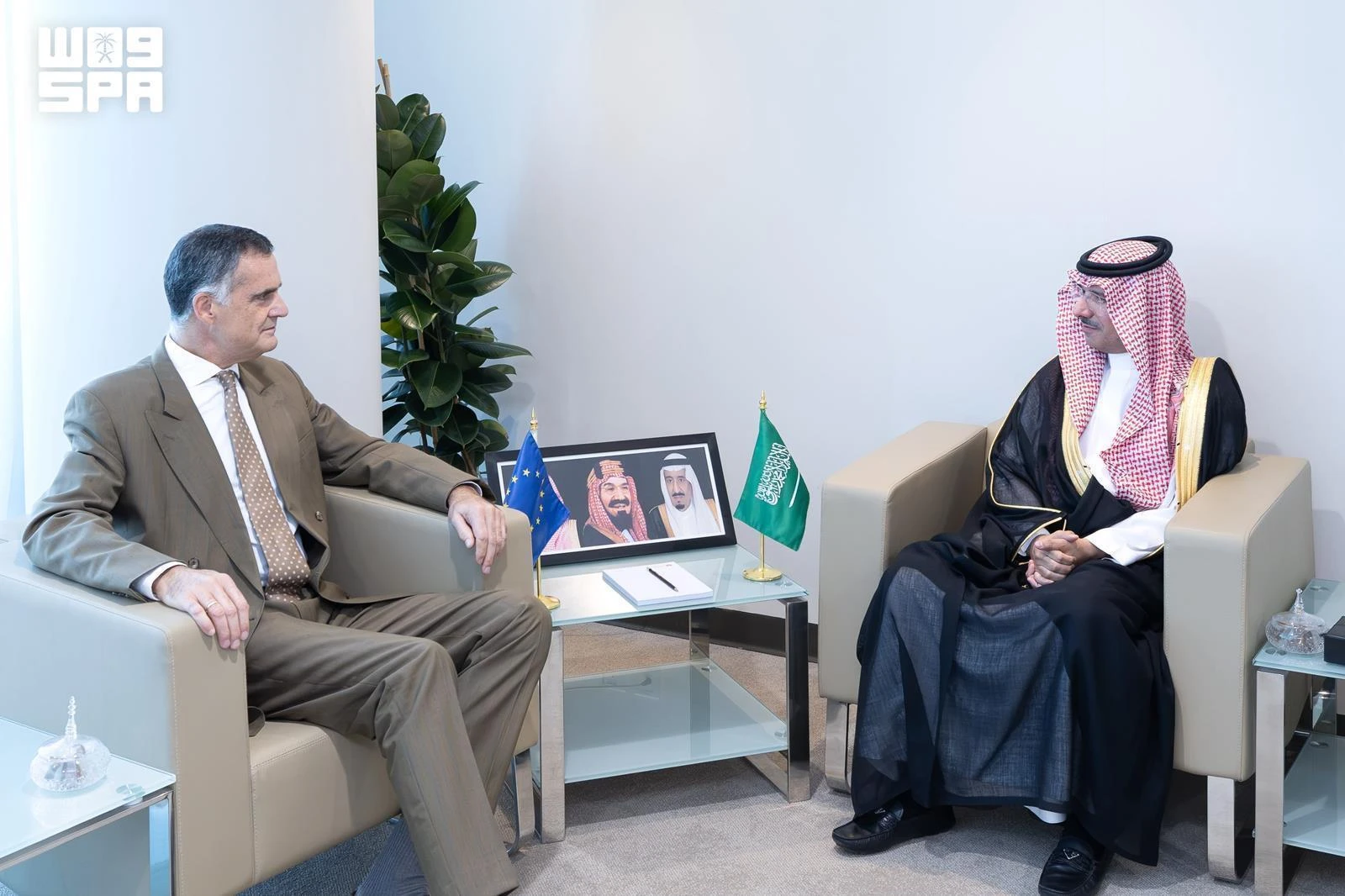
The key factors that determine the process of social development include the ability of governments to find funding, which is particularly applicable to non-GCC Arab countries, and the role that families play in supporting their underprivileged members.
This was stated by Saudi Minister of Social Affairs Yusuf bin Ahmed Al-Othaimeen during his address at the annual Government Summit.
He said promoting social cohesion is imperative. The plenary session highlighted the need to shift the development narrative of the regional governments from “providing welfare packages” to “people empowerment.”
The session, moderated by Turki Al Dakhil of Al Arabiya, hosted ministers of social affairs of the UAE, Bahrain, Saudi Arabia and Jordan, who presented the social development models of their nations.
UAE’s Minister of Social Affairs Mariam Al-Roumi said that nearly 51 percent of the current budget goes toward social services including education and health care.
She underlined the importance of an integrated approach toward promoting social development and highlighted the need for citizens to adopt opportunities for vocational training as well as taking up jobs.
Bahrain’s Minister of Social Development Fatima Al-Balooshi said the Gulf countries have made significant strides in driving social growth, and are at the forefront in achieving the Millennium Development Goals.
She, however, pointed out that there is no one-size-fits-all formula for formulating social development policies as each country has specific requirements.
Jordan’s Minister of Social Development Reem Abu Hassan said the country has implemented several path-breaking social development initiatives, adding that the region must focus on moving from being ‘welfare states’ to empowering its citizens.
Arab News