- Dr. Abdullah Al-Rabeeah says Saudi Arabia has provided more than $3.4bn to support food security in 88 countries
JEDDAH: Saudi Arabia has provided more than $3.4 billion for 1,289 food security projects in 88 countries, the Kingdom’s aid chief has said.
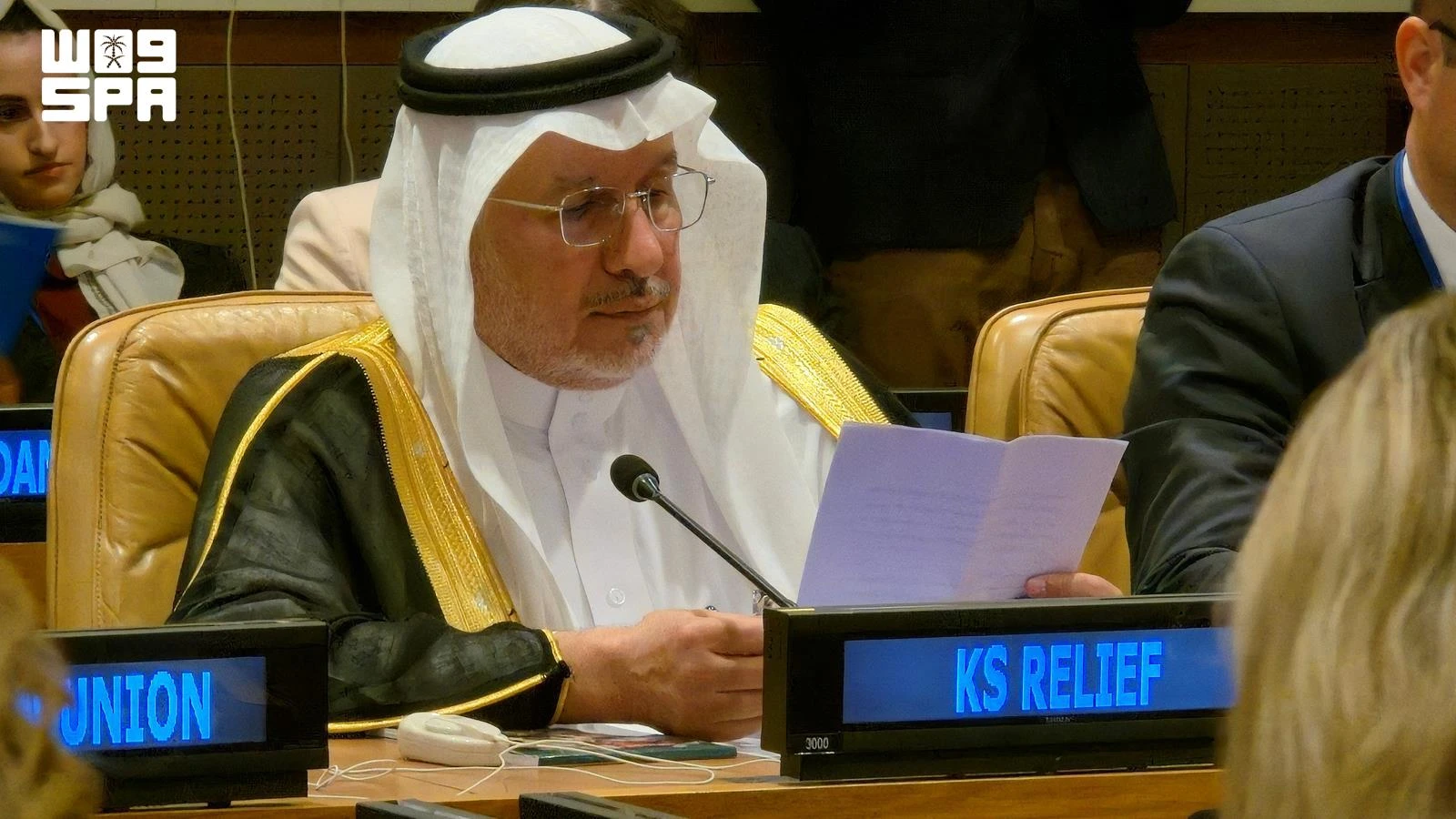
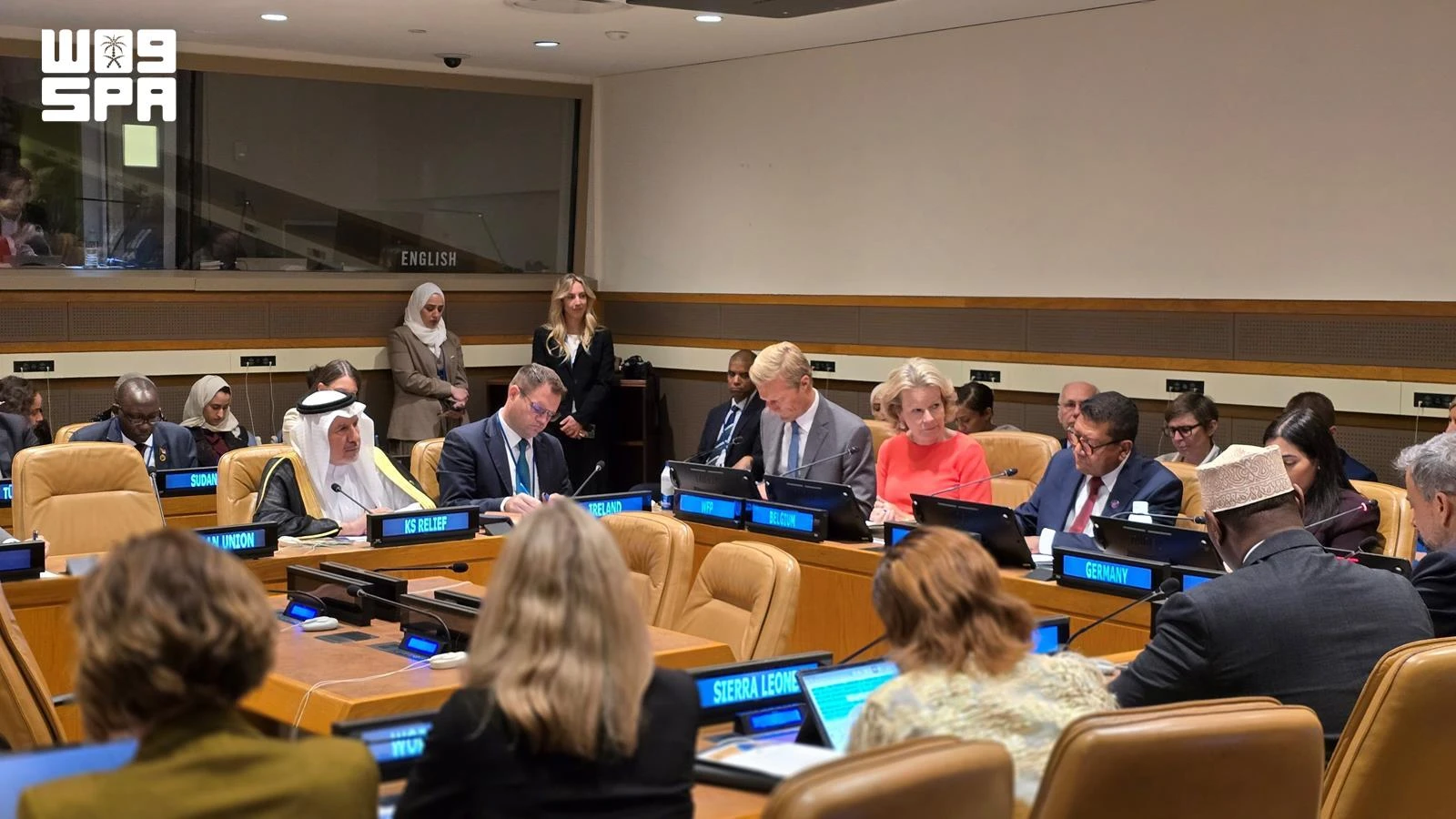
Dr. Abdullah Al-Rabeeah, supervisor-general of KSrelief, was speaking during a recent high-level panel discussion on the sidelines of the 81st UN General Assembly in New York.
The session, titled “United Against Hunger: Reorienting Global Action to Address Food Crises in Times of Turmoil,” was jointly organized by Germany, the UN World Food Programme and the Global Network Against Food Crises.
Al-Rabeeah said conflict was the leading cause of acute food insecurity in many countries and called for prevention to become a global priority.
He said international efforts should focus on systematic prevention and building long-term resilience rather than solely managing short-term emergencies.
“We must adopt comprehensive measures to ensure aid is delivered safely and efficiently and achieves its intended purpose,” he said.
“We must also develop innovative delivery methods to reduce costs and improve efficiency, strengthen partnerships to expand and accelerate our humanitarian response, and improve supply chains to ensure aid reaches those in need more quickly and effectively.”
Al-Rabeeah stressed the importance of engaging directly with affected communities to understand their perspectives on food security and agriculture.
Local knowledge and expertise were essential to ensuring humanitarian interventions were effective and sustainable, he said.
He added that programs should reflect wider priorities and local conditions and include people working in fishing, livestock farming and beekeeping.
Al-Rabeeah said Saudi Arabia, through KSrelief, had played a pivotal role in tackling global food insecurity by addressing urgent humanitarian needs while investing in sustainable solutions.
The Kingdom continues to address immediate food shortages while implementing programs that build local capacity, increase food production and strengthen supply chains.
Al-Rabeeah highlighted KSrelief initiatives, including the Central Kitchen Project and food basket programs in the Gaza Strip.
Other efforts include the Seed initiative, which aims to strengthen the resilience and recovery of affected rural communities, and a project to rehabilitate damaged bakeries in Syria that has supported more than 1.4 million people.
According to KSrelief’s statistics, the agency has implemented 4,463 projects in 113 countries since 2015, spending more than $8.5 billion on food security, health, education, water and sanitation, shelter and early recovery.
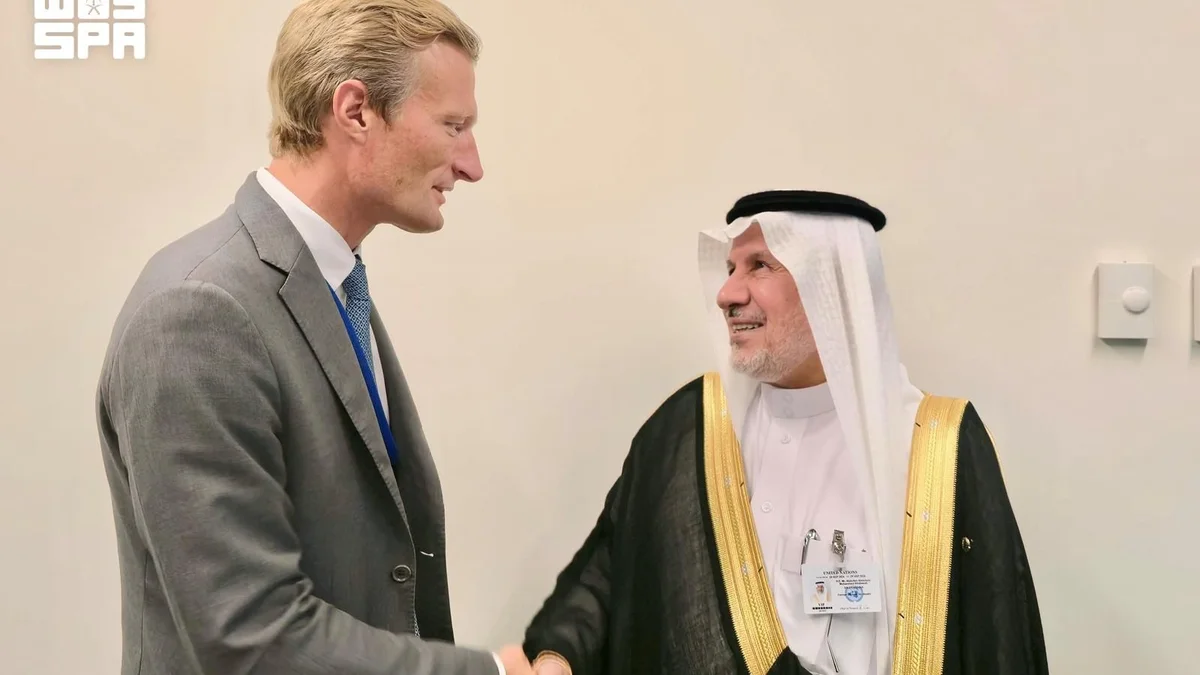
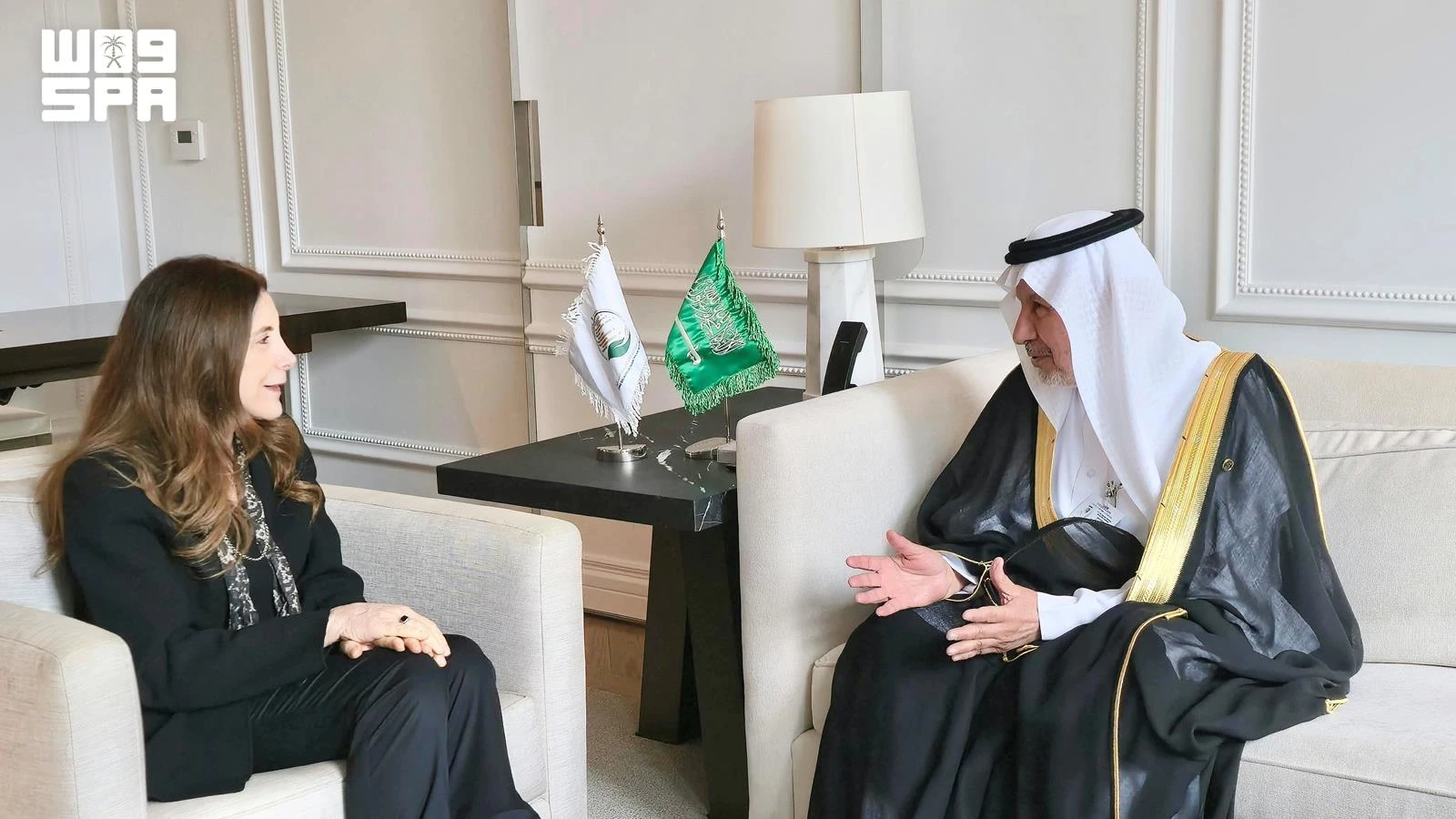
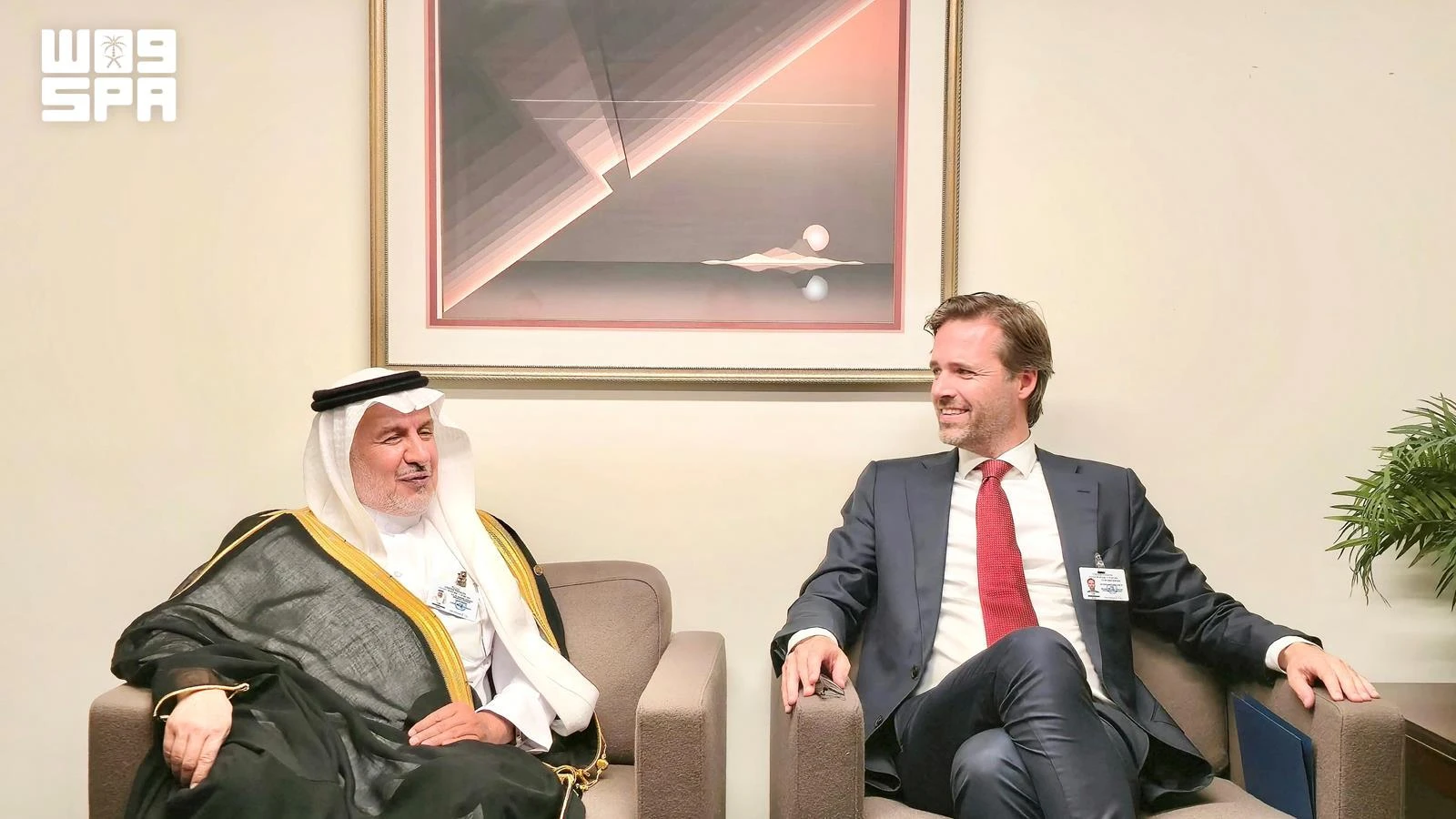
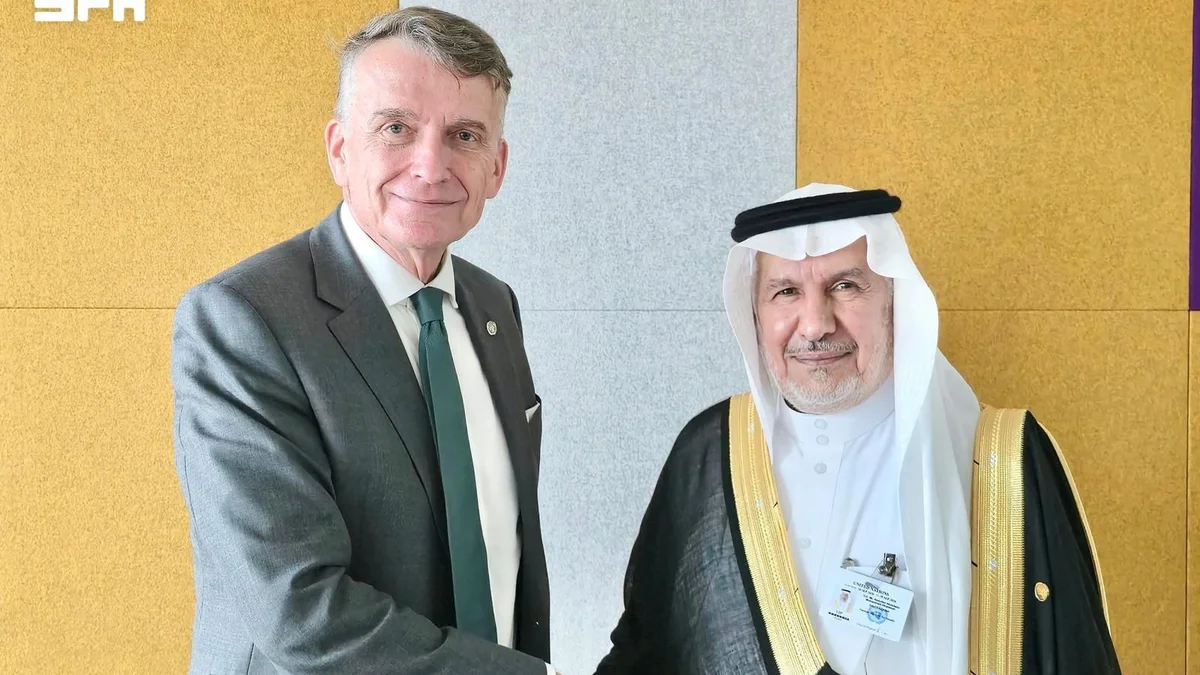
During his visit to New York, Al-Rabeeah held separate meetings with Dutch Minister for Foreign Trade and Development Cooperation Sjoerd Sjoerdsma, International Medical Corps President and CEO Nancy Aossey, acting WFP Executive Director and Chief Operating Officer Carl Skau, and the UN Relief and Works Agency for Palestine Refugees in the Near East’s acting Commissioner-General Christian Saunders.
The meetings focused on strengthening cooperation in humanitarian relief, medical assistance and food support for vulnerable communities worldwide.
Al-Rabeeah and Saunders discussed relief efforts and the latest humanitarian developments in the Gaza Strip.
Saunders thanked Saudi Arabia, represented by KSrelief, for its assistance to the Palestinian people and support for UNRWA. He also highlighted the strategic relationship between the center and the UN agency.
Sjoerdsma praised Saudi Arabia’s international relief efforts, while Aossey highlighted KSrelief’s support for health systems in crisis-affected countries.
Skau commended the strategic partnership between KSrelief and the WFP in providing food assistance to people in need.