New Zealand will be sending top officials from various ministries to Saudi Arabia and other GCC countries in an effort to step up and strengthen bilateral ties.
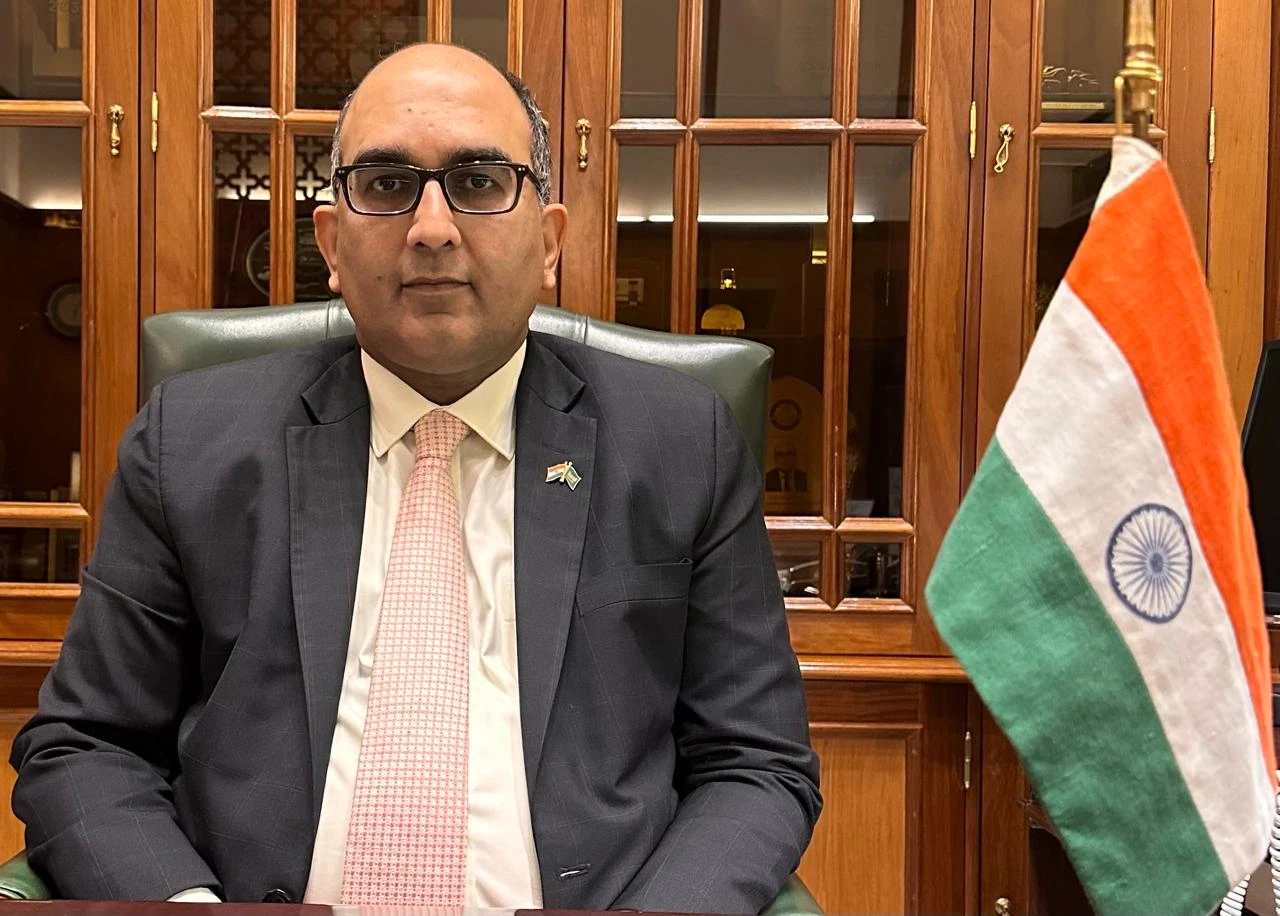
Rodney Harris, New Zealand’s ambassador to Saudi Arabia, told Arab News on Thursday that his country also expected similar official visits from GCC countries to promote cooperation in the political, economic and cultural arenas.
The ambassador said New Zealand was also exploring more active collaboration with the Organization of Islamic Conference (OIC), the Islamic Development Bank (IDB) and the Muslim World League (MWL). He alluded to the visit by Foreign Affairs Minister Murray McCully to Saudi Arabia in March, when New Zealand announced that it will cooperate with the Kingdom in maintaining food security in the region.
“Foreign Minister McCully came despite heavy travel commitments because of the importance of our bilateral ties,” the New Zealand envoy said, adding that New Zealand and Saudi Arabia are well-aligned to work together as food security partners.
“Future food security is high on the priority for the Kingdom and New Zealand. We are looking at how we can share our agricultural and fishing expertise with the Gulf States,” he said, adding that Foreign Minister McCully was expected to visit the Kingdom again before the year ends.
He said New Zealand’s total volume during the first six months of the year had surpassed SR 5,271,010 million.
New Zealand has a regional dairy processing plant in Dammam, Fonterra, which exports to over 20 countries.
With annual exports in excess of SR 31.1 billion, the industry is NZ’s biggest export earner, accounting for more than 26 percent of the country’s merchandise exports. Around 95 percent of NZ’s milk is exported.
“Saudi Arabia is a primary market for us. About 71 percent of NZ’s exports to the Kingdom are dairy products. This is reflected in over $476 million in trade,” he said, adding that NZ and the GCC had negotiated a high-quality Free Trade Agreement in October 2009, which would substantially liberalize trade.
He also said that his country had an economic dialogue mechanism with Saudi Arabia and that it had a halal certification.
He said his country had concluded an Education Cooperation Agreement with the Saudi Ministry of Higher Education, which involves students going to New Zealand to study under the King Abdullah Scholarship Program.
“There are approximately 5,000 students from the GCC who are currently studying in New Zealand. Most of them come from Saudi Arabia,” he said, adding that the University of Auckland was involved in a partnership with Princess Noura University.
He stressed that New Zealand’s educational institutions and companies have been involved in major education projects in Saudi Arabia, such as Seismic Survey with the King Abdulaziz University and Cognition with Tatweer Holding Company in developing and managing school transport.
“New Zealand is also working with the Technical Vocational Training Corporation (TVTC) on areas of cooperation, including students on scholarship and short-term training opportunities,” he said.
GCC citizens have been granted a 90-day visa-free stay on arrival in New Zealand since 1999. “We are one of the few, if not only, Western countries with this visa program. This means that Saudi students do not require a visa for studying in New Zealand for three months or less,” he said.
Arab News