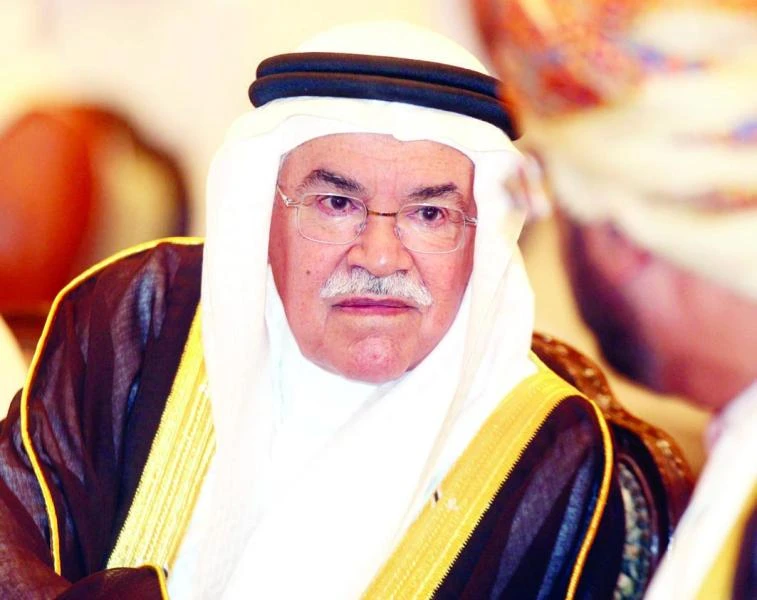
Petroleum and Mineral Resources Minister Ali Al-Naimi on Sunday called for special training workshops that would help educate industry journalists, to “portray the correct picture of the oil market.”
Speaking to reporters after opening the second Gulf Cooperation Council (GCC) Petroleum Media Forum here, Al-Naimi said he had minor issues with journalists.
“I don’t have any problems with the media and I have seen journalists clapping their hands welcoming me. The only problem is that when I go jogging in Vienna on the sidelines of the OPEC meeting, they also jog behind me. This is irritating. Otherwise I am very much okay with them,” he said.
To cover oil reports accurately, the minister said journalists need professional skills and specialization in the field. He said every ministry held workshops in the past to explain what was happening in the industry.
“Every ministry of energy and petroleum hold workshops annually or biennially for a certain period to explain the petroleum industry. This is what happened two years ago for media personnel. They were given lessons for two weeks, and I think that was useful. This will be repeated to strengthen knowledge and understanding, not only for us, but for the whole world.”
“The forum is aimed at maintaining professionalism, to defend the stand of the GCC countries in this important economic sector and to portray the correct picture of the oil market.”
Al-Naimi said the Kingdom would help stabilize the oil market. “We are not against anybody and we will work together with others.”
He said the market would determine oil prices.
Among those present at the opening ceremony included GCC oil ministers Suhail bin Mohammed Faraj Faris Al-Mazrouei of the United Arab Emirates, Ali Al-Omair of Kuwait, Abdul Hussain Mirza of Bahrain, Mohamed Al-Sada of Qatar and Assistant GCC Secretary-General for Economic Affairs Abdullah Al-Shibli.
Al-Naimi said the Kingdom’s production was about 10 million barrels a day, and the country was ready to meet demand at any time. He said there was no objection to new countries wanting to join the Organization of the Petroleum Exporting Countries (OPEC). Invitations have been sent out to countries but they have not joined, he said.
“There are no conspiracies behind OPEC’s decision [in November 2014] to keep its target output [of 30 million barrels per day] unchanged,” said the Saudi oil minister.
“We are with everyone in stabilizing the market and maintaining the balance between supply and demand; but as for the prices, they are set by the market.”
In addition to the GCC ministers, other participants included various leaders in the industry, and media specialists from local and international news agencies, television stations and newspapers.
The GCC petroleum media strategy stipulates cooperation between the petroleum media in GCC countries and international media to “defend petroleum interests and attitudes.”
Its second objective includes organizing regular media forums in the GCC countries to exchange ideas and information, eliminate obstacles and promote cooperation.
Oil minister calls for special training for industry media