- Testimonies in a Saudi documentary capture the immediate aftermath of the Oct. 10 attack and the selflessness of individuals eager to assist despite their own trauma
RIYADH: Survivors of the Oct. 10 Houthi attack on King Khalid International Airport in Riyadh have recounted scenes of explosions, smoke and bloodshed, describing how they tried to help fellow passengers despite suffering serious injuries.
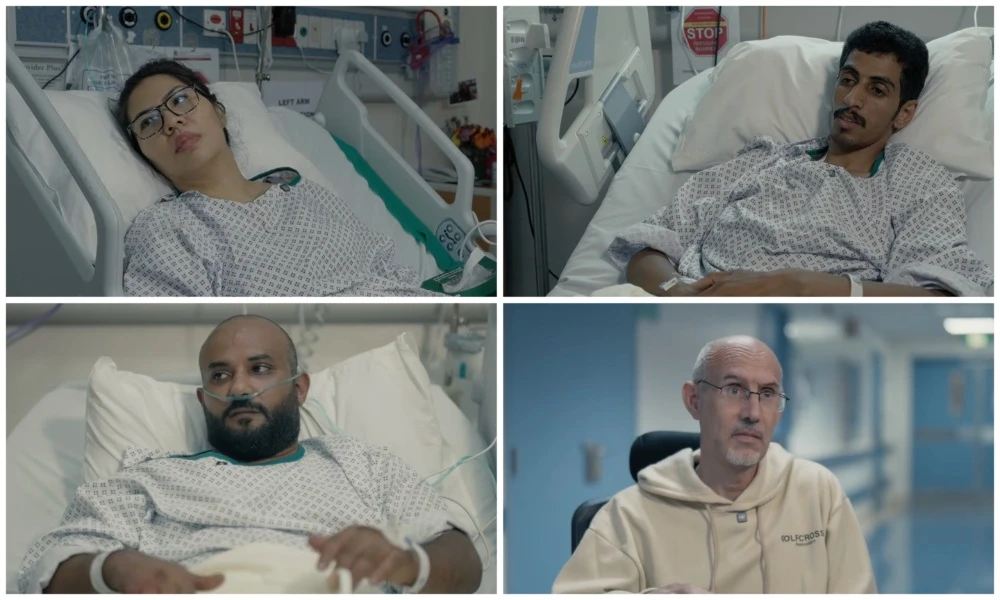
Their accounts feature in a documentary titled “Before Boarding the Plane: Witnesses and Testimonies,” published by Saudi Arabia’s Ministry of National Guard. The film follows survivors receiving treatment at King Abdulaziz Medical City in Riyadh as they recall the attack and the efforts to rescue those caught in the ensuing chaos.
Saudi citizen Abdulhameed Al-Sharari remembered hearing a powerful explosion that he likened to a thunderbolt, saying it still affected his hearing.
A stampede broke out on the stairs as passengers tried to escape. Al-Sharari helped foreign travelers searching for their passports and continued assisting them until he lost consciousness.
He also recalled hearing a woman crying for help and going to her aid, only to be shocked by the severity of her injuries. He later saw a friend covered in blood.
Al-Sharari discovered that his own arm was bleeding before a Saudi soldier helped him reach an ambulance.
He also recalled an Egyptian man nearby who had asked him for water. Al-Sharari later learned that the man had died.
Praising the soldiers who helped those caught in the attack, he said: “Heroes, they have always been heroes.”
French resident Chloe Catherine said her flight had been scheduled for 3 p.m. when she heard a loud explosion and saw passengers running in different directions.
She realized she was seriously injured and feared no one would find her or come to her aid. After losing a significant amount of blood, she searched for her phone and called her friend, Kirit Brett.
Brett said the smoke and flames made it difficult to locate her. He eventually reached the gate where she had been waiting and tried to reassure her amid the large number of injured passengers.
Catherine, who said she was still unable to walk, praised the care she was receiving at the hospital. She added that doctors had assured her she would be able to walk again soon.
Other survivors described attempts to calm passengers and support emergency responders.
Resident Moataz Qassem said he had been heading to an airport office when he heard the explosion. He recalled a large stampede and efforts to calm those present and organize the movement of people.
Saudi citizen Maher Al-Ansari recalled a power outage and debris falling from the ceiling as numerous people were injured. He said passengers tried to help others despite their own injuries, carrying those they could to support the work of ambulance crews and Civil Defense teams.
The testimonies offer a glimpse of the fear and confusion that followed the attack, as well as the efforts by injured passengers to assist others while awaiting help.
The Oct. 10 attack was the deadliest of this month’s Houthi strikes on King Khalid International Airport.
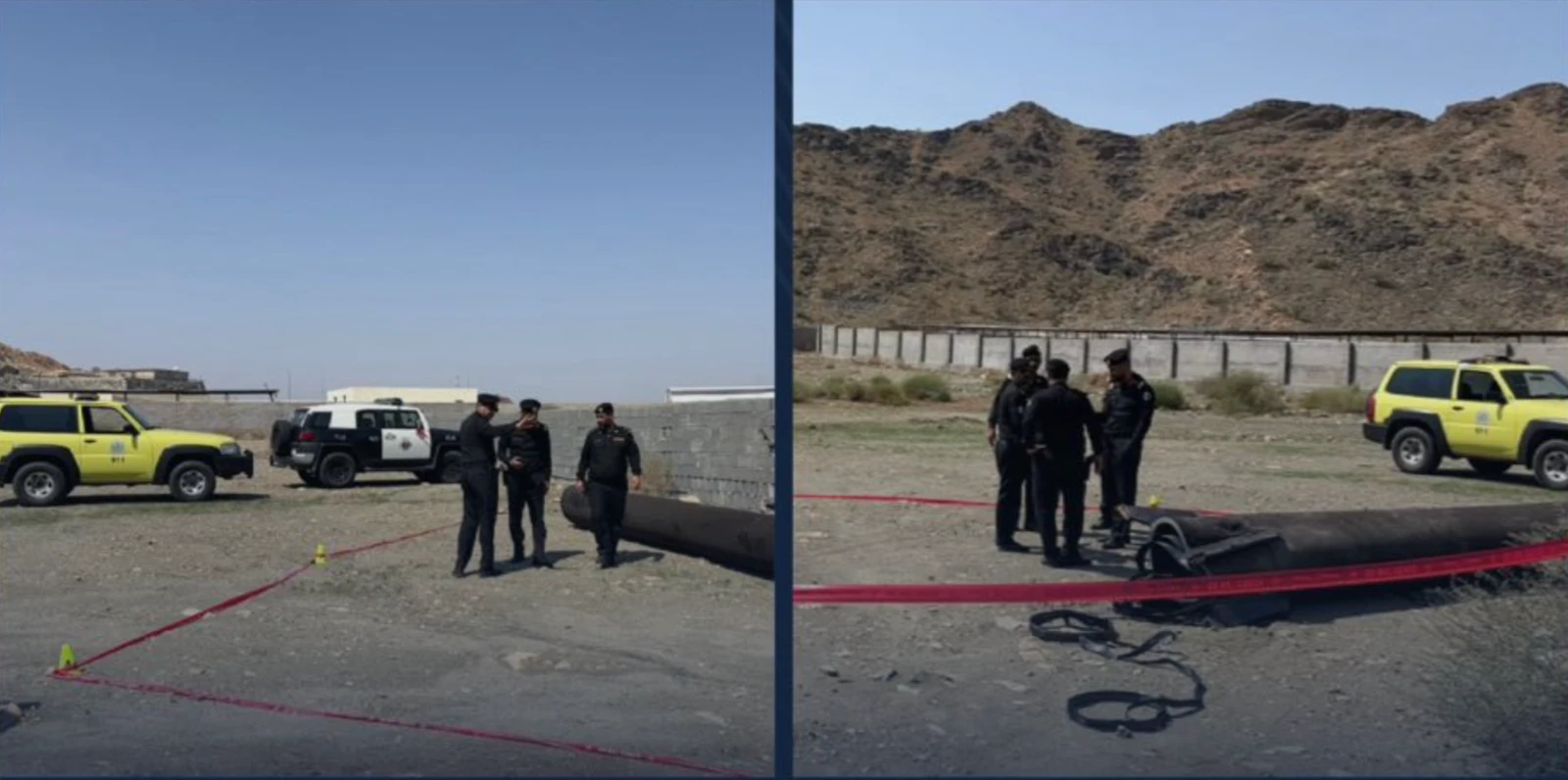
A ballistic missile struck an area between terminals 3 and 4, killing 13 people and injuring 309. The General Authority of Civil Aviation initially reported 12 deaths, but the coalition later raised the toll to 13.
The dead included four Saudis, two Bangladeshis and nationals of the US, Egypt, Jordan, Syria, Palestine and Sudan.
Relatives and friends identified Saudi victims Taqwa Radwan, Lamis Asiri, Munira Al-Anazi and Maryam Ibrahim Sulaiman Al-Namlah.
Azza Ramzi, a 28-year-old Egyptian Flynas flight attendant, was killed while on duty, according to Al Arabiya.
The dead also included Mohammad Hussein Al-Barqawi, a 33-year-old Jordanian father of two, and Talal Al-Dhani, a 63-year-old Palestinian father of six who was returning home to Jeddah.
Mohammad Yousuf Ali, an IT engineer from Hyderabad, India, was traveling with his family for Umrah when he was critically injured. He died the following day, his cousin told Arab News.
US Secretary of State Marco Rubio said an American citizen was also among those killed.
The airport had also been targeted in the days before. An attack on Oct. 7 killed one person and injured eight. On Oct. 8, three people were killed and five injured.
One attack that day hit airport facilities, while another struck a Saudia aircraft, killing Saudia Capt. Hamoud bin Ali Alkalthami.
Another attack on Oct. 11 killed one person and injured 11.
Missile and drone attacks on the airport from Oct. 7 to 11 killed 18 people and injured more than 333.
Debris from intercepted missiles and drones also caused casualties and damage.
Early on Oct. 23, a ballistic missile fired toward Riyadh was shot down.
Early on Oct. 24, Civil Defense issued alerts for Riyadh and other areas, and two loud blasts were heard across the capital. The coalition said it had intercepted a ballistic missile aimed at Riyadh.