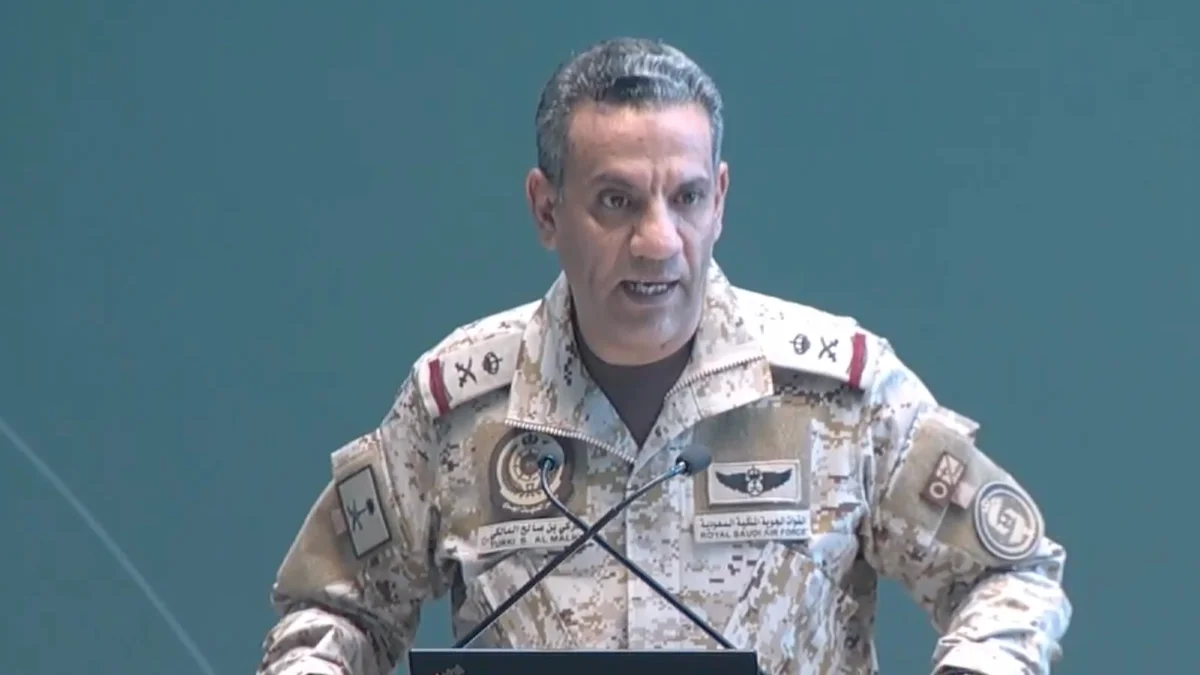
The Saudi Embassy in Washington on Wednesday rejected media reports that the Arab coalition imposes restrictions on the import of dialysis machines to Yemen.
It said there are no restrictions on the entry of humanitarian aid to Yemen, including medical equipment, noting that the inspection mechanism only aims to ensure that weapons are not smuggled into Yemen. “But in no way does it impede the entry of humanitarian aid.”
It pointed out that the coalition is the largest donor of humanitarian assistance, including medicine and medical equipment, to Yemen, and said that the Kingdom provided humanitarian aid amounting to over $500 million, which makes it one of the largest donors of aid to Yemen.
Yemen is the top recipient of Saudi aid internationally, thanks to the benevolent policy of the Custodian of the Two Holy Mosques King Salman, according to the annual report by the King Salman Humanitarian Aid and Relief Center.
The report said the Red Crescent and Red Cross declared the Kingdom the world leader in supporting humanitarian and relief work.
It said Saudi Arabia deserves the title of Humanitarian Kingdom in view of its initiatives and the scale of its donations and assistance to peoples afflicted by wars and natural disasters.
“Humanitarian projects consistently undertaken by the Kingdom are in line with the teachings of our religion, which commands us to provide relief to the needy and help them, and the directives of King Salman,” said Abdullah Al-Rabeeah, supervisor general of the center.
"We have received such directives since the establishment of this center, giving Yemen and its people great care and working to ease their sufferings," said Al-Rabeeah.
Previously, Dr. Nasser Ba’oom, minister of public health and population, and member of the Higher Committee for Relief in Yemen, had said that the King Salman Humanitarian Aid and Relief Center, in coordination with the World Health Organization office in Yemen, provided petroleum derivatives to most government hospitals across the provinces for the past six months.
Ba’oom added that the center provides petroleum products to 82 hospitals in all governorates, which will help hospitals prevent power cuts and enable them to work round the clock.
Additionally, the relief funded and sent 12 teams to provide primary health care services in the provinces of Aden, Abyan, Hajah, Sana’a, Saada and Socotra, where they offered more than 132,000 medical consultations, including 34,320 consultations for women and 26,400 for children under the age of five.
The center has implemented a package of humanitarian support including mothers, children, pregnant women and elderly men in Yemen through programs funded by the center and carried out by the World Health Organization with health partners in Yemen.
As many as 3,825,000 women and 3,675,000 men benefited from these programs.
WHO, in collaboration with health partners in Yemen, also carried out two national vaccination campaigns, for measles and rubella, for males and children below the age of 5.
Some 2,321,319 boys and 2,416,066 girls benefited from the campaign, which reached the total target for this phase of 4,737,386 boys and girls.
Arab News