- Public prosecutor highlights law’s role in upholding justice, Saudi rights chief focuses on judicial, legislative reforms
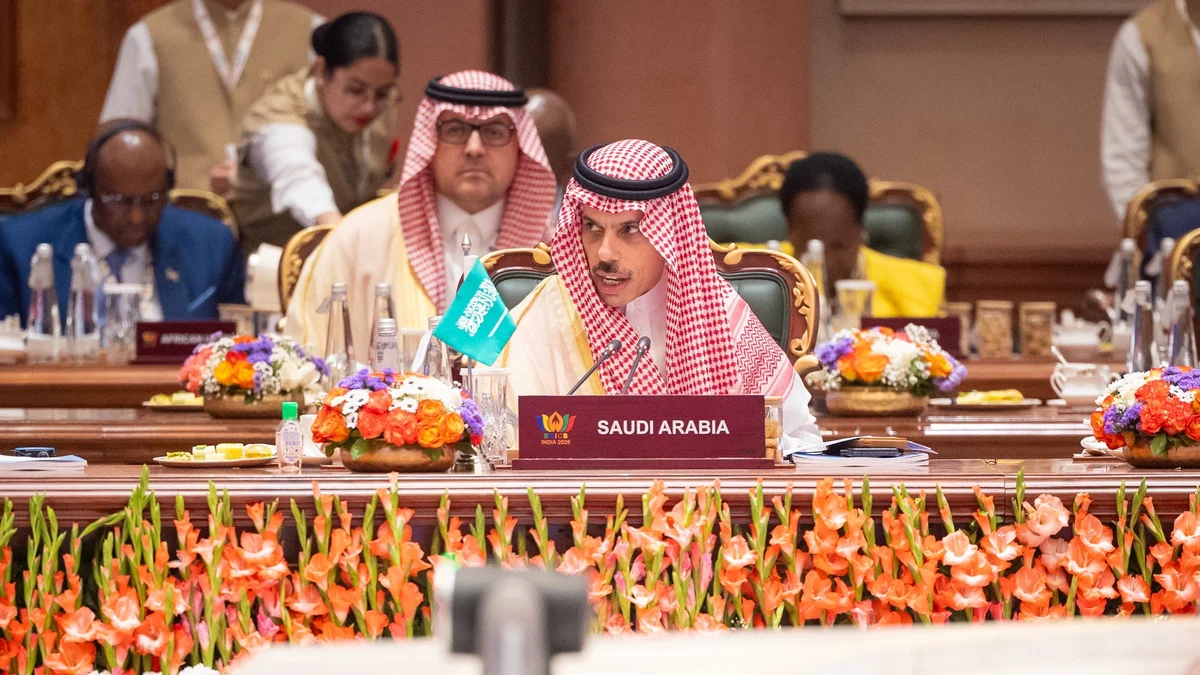
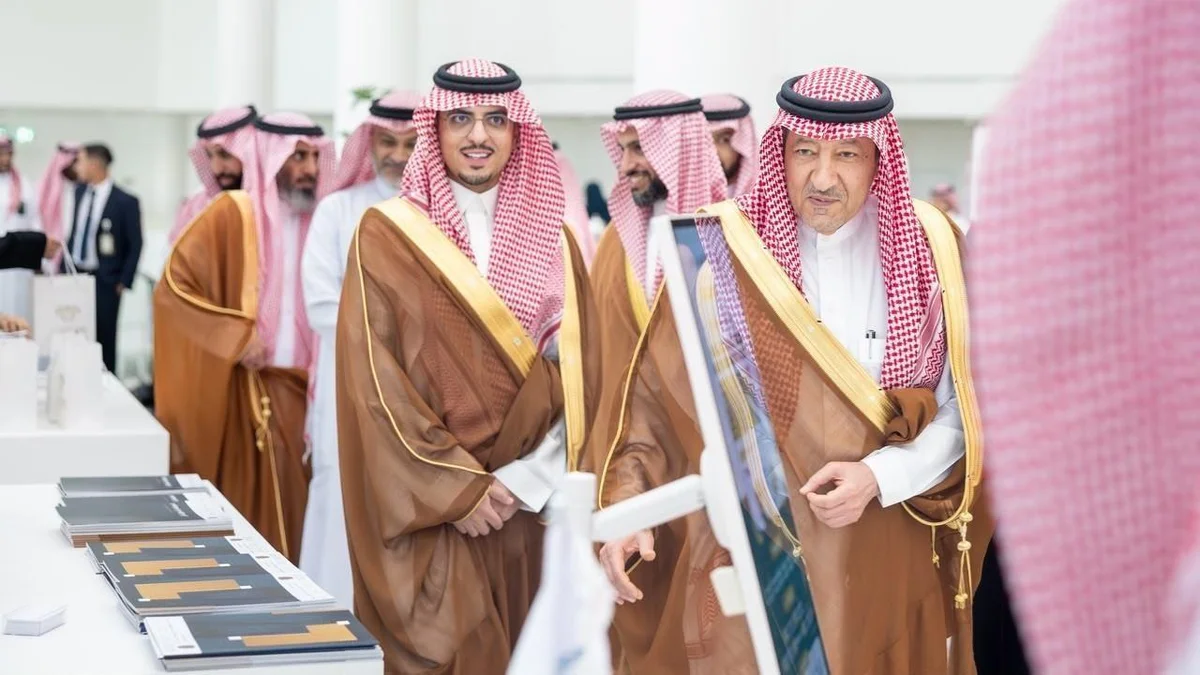
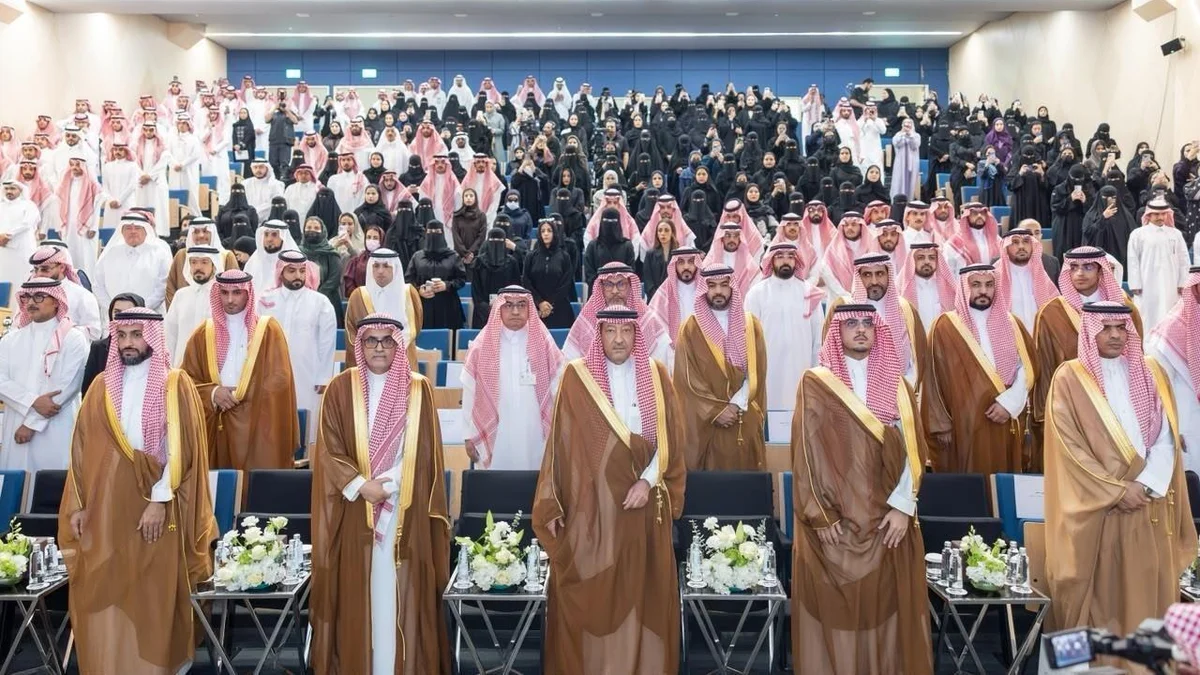
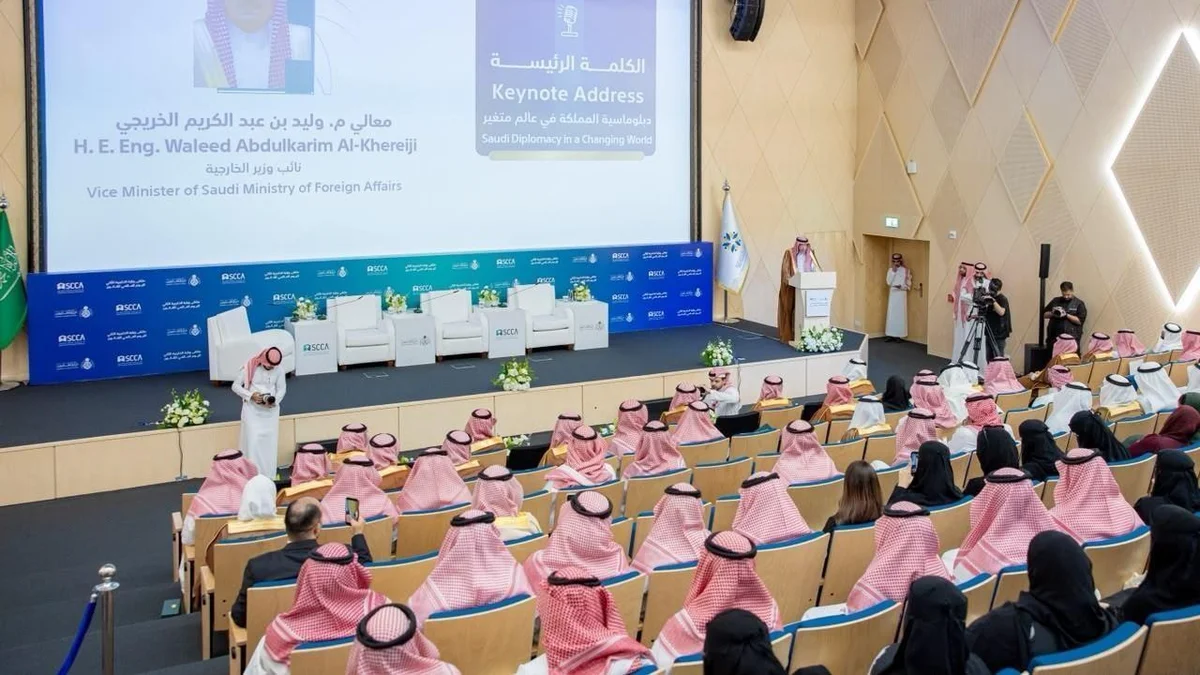
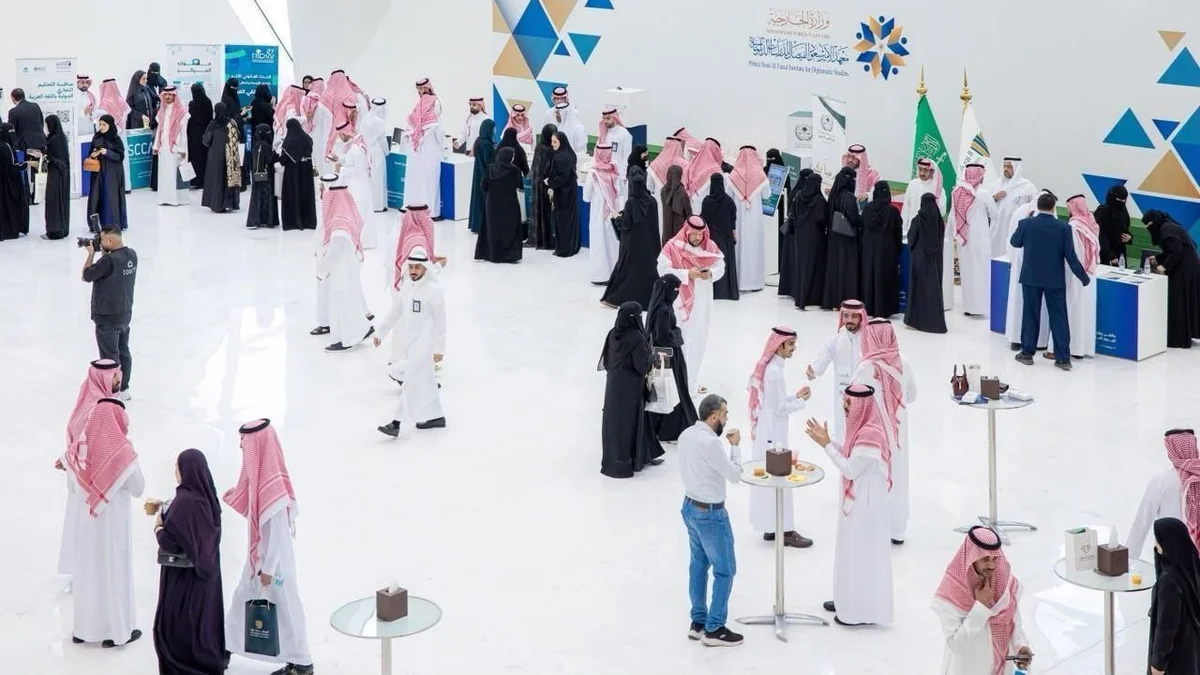
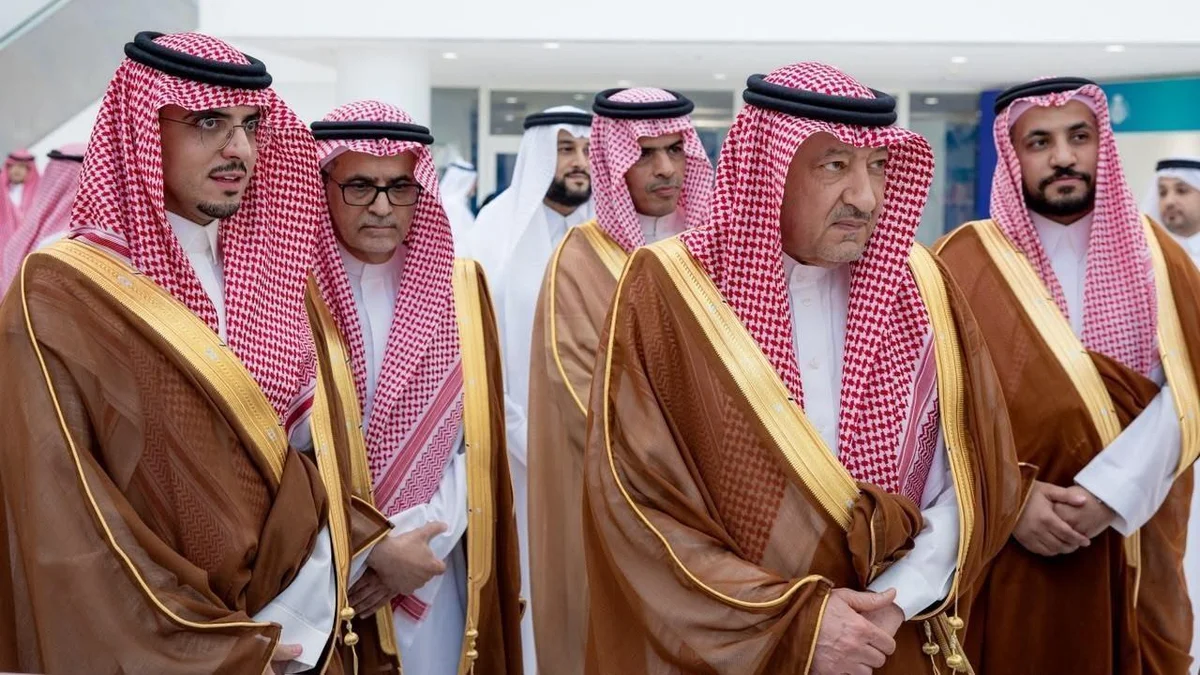
RIYADH: Saudi Arabia’s Vice Minister of Foreign Affairs Waleed Elkhereiji attended the second Ministry of Foreign Affairs Forum to celebrate World Law Day at the Prince Saud Al-Faisal Institute for Diplomatic Studies in Riyadh.
Organized with the Saudi Center for Commercial Arbitration, the forum brought together legal scholars, diplomats and industry leaders to discuss international legal developments and regional challenges.
Elkhereiji stressed the pivotal role of the rule of law in guiding international relations, and highlighted pressing legal questions, including the implications of the closure of the Strait of Hormuz.
He added that the agenda spotlighted artificial intelligence governance, coinciding with Saudi Arabia’s designation of 2026 as the Year of Artificial Intelligence and its strategic integration under Saudi Vision 2030.
Walid Abanumay, the center’s chairman, emphasized that the rule of law relied on robust dispute-resolution mechanisms such as arbitration and mediation, according to a report by the Saudi Press Agency.
He noted that swift and reliable adjudication frameworks were essential to building investor confidence, protecting commercial rights and reinforcing the Kingdom’s standing as an international business hub.
Panel sessions examined legal frameworks governing maritime chokepoints, emerging AI legislation, legal research methodology, and workforce readiness through practical training and advocacy competitions.
Meanwhile, Saudi Arabia’s Public Prosecutor Khalid Al-Yousef affirmed that the Kingdom’s legislative development under Crown Prince Mohammed bin Salman strengthened the rule of law and supported comprehensive development.
Al-Yousef emphasized that effective application of the law safeguarded rights, upheld justice, strengthened confidence in the Public Prosecution system, and contributed to societal security and sustainable development.
He also noted that enhancing prosecutorial practices, leveraging technology and developing human capital supported the Public Prosecution’s institutional transformation and improved efficiency.
President of the National Society for Human Rights Khalid Al-Fakhri affirmed that the rule of law was the foundation for protecting human dignity, promoting equality, and consolidating security and stability, thereby strengthening confidence in institutions.
He said laws and legislation provided an organized framework governing relations between members of society and its institutions, stressing the importance of raising awareness of rights and duties and promoting legal culture. This enabled individuals to identify their rights and the legal means available to protect them.
Al-Fakhri also noted that Saudi Arabia had witnessed rapid development in its legislative and judicial systems under the objectives of Saudi Vision 2030, enhancing the efficiency of laws and regulations, supporting transparency, and strengthening legal stability.
World Law Day is observed annually on Sept. 13 to promote legal awareness, uphold the rule of law, and emphasize the role of justice in society. It was first announced on Sept. 13, 1965, at the World Peace Through Law Conference in Washington.
The King Salman Global Academy for Arabic Language has launched a glossary of legal terms, in collaboration with the Saudi Competitiveness and Business Center and in partnership with more than 30 government entities.
The specialized glossary contains more than 4,800 terms documenting legal terminology used in statutes, regulations and legislative documents.
The glossary aims to promote accuracy and consistency in legal and regulatory terminology, strengthen the presence of Arabic in legal discourse, and enrich specialized linguistic resources in Saudi Arabia.
It is intended for legal, administrative and legislative specialists and researchers, as well as government entities, universities and those interested in legislative and regulatory initiatives in the Kingdom.
The academy continues to develop specialized dictionaries and enrich Arabic linguistic content, supporting the accurate and consistent use of Arabic across professional and specialized fields.