- More than 10,000 wild animals have been released by the center into their natural habitats, while protected terrestrial areas now cover 18.3 percent of the Kingdom and marine protected areas account for 16.3 percent
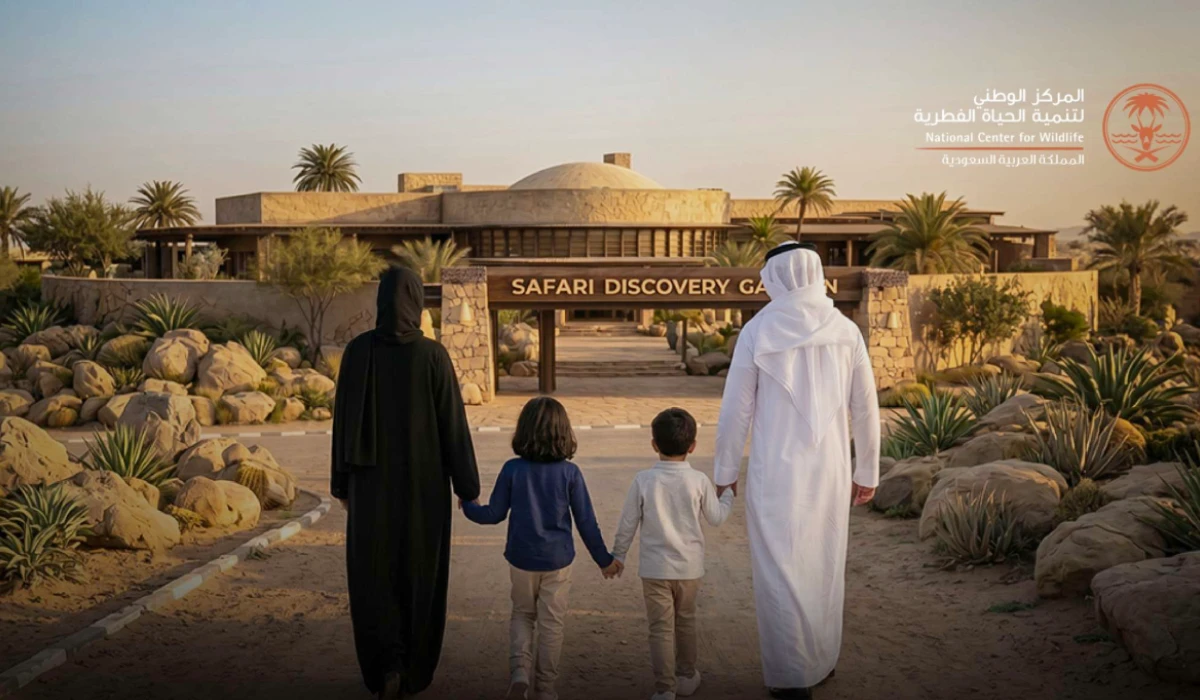
JEDDAH: The National Center for Wildlife is developing a nationwide network of wildlife destinations designed to bring people closer to the Kingdom’s biodiversity through carefully managed terrestrial and marine experiences.
Announced in June under the Wildlife Destinations program, the initiative includes safari experiences, birdwatching sites, wildlife reserves and seasonal marine encounters.
Saudi Arabia is home to more than 65 ecosystems and 12,000 species of living organisms, spread across islands, coastlines, mountains, valleys and deserts.
The program seeks to turn some of that natural diversity into educational and recreational experiences without compromising the habitats and species that make them possible.
A spokesperson from the center told Arab News: “Wildlife Destinations are an extension of the efforts made by the center over recent years to protect wildlife species, rehabilitate natural habitats and enhance scientific knowledge, transferring the impact of these efforts into field experiences that raise awareness, support quality of life and develop economic and investment opportunities associated with wildlife.”
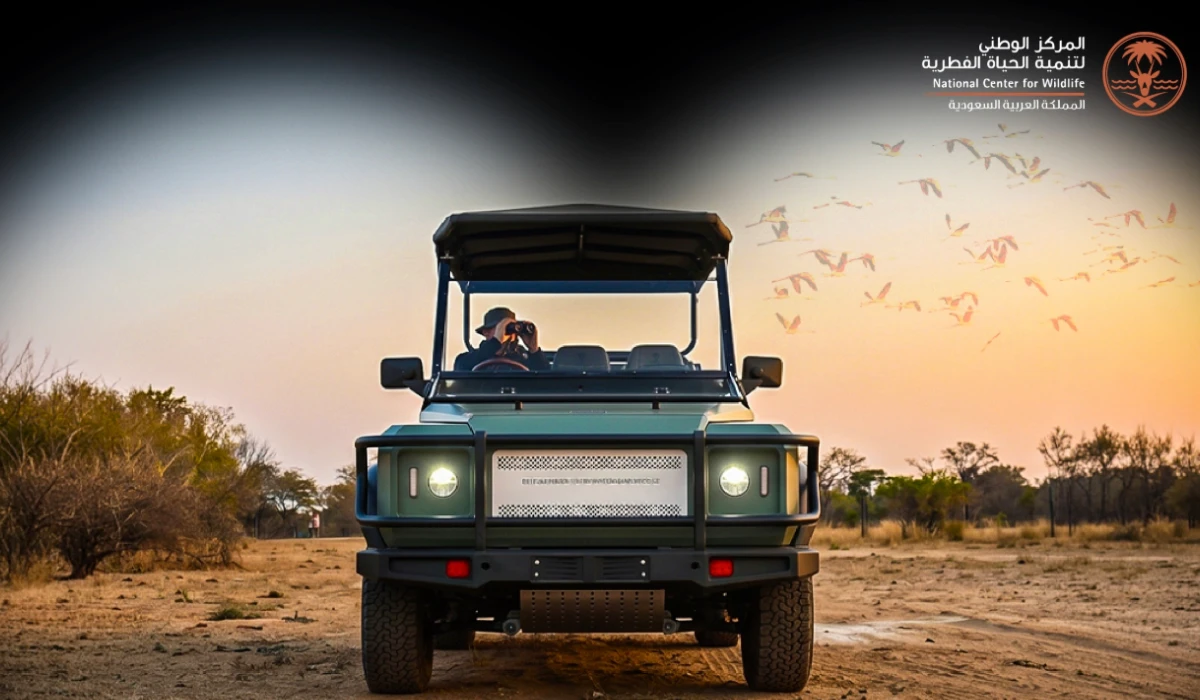
Among the destinations announced so far are safari experiences at the Prince Saud Al-Faisal Wildlife Research Center east of Taif and the Thadiq Wildlife Research Center in the Riyadh region.
Birdwatching locations include the Farasan Islands Reserve and sites in Riyadh, while wildlife-viewing areas will allow visitors to encounter houbara bustards and Arabian oryx at Imam Saud bin Abdulaziz bin Mohammed Royal Reserve. Reem gazelles can be observed at Uruq Bani Ma’arid Reserve and Al-Ghat National Park.
Marine experiences will be seasonal, reflecting the movements and natural cycles of species along the Kingdom’s coasts.
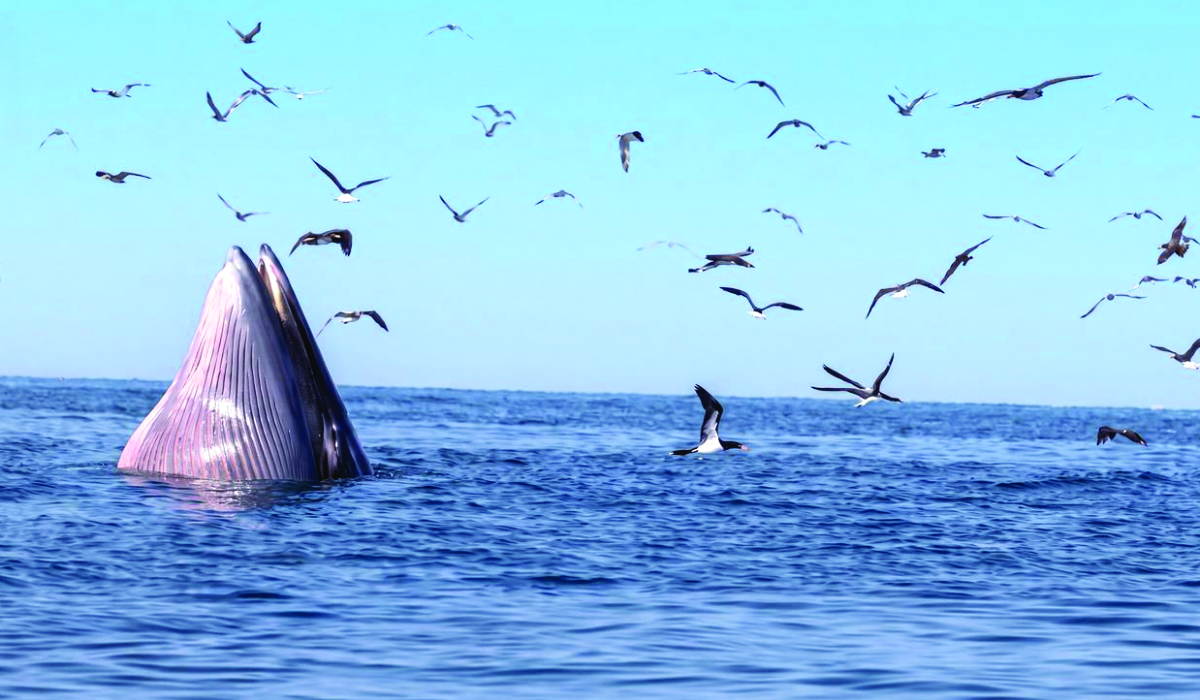
Visitors could encounter Bryde’s whales and other marine wildlife around the Farasan Islands, dolphins in the Blue Holes Reserve, and whale sharks at Ras Hatiba Reserve.
The spokesperson added: “The selection of sites is based on their environmental value, richness of biodiversity, representation of the Kingdom’s terrestrial and marine ecosystems, and their suitability for providing organized and safe experiences, in addition to habitat readiness, the ability to manage visitor movement, and the potential to achieve an educational and developmental impact that serves the region and its local community.”
Rather than applying a single tourism model across all locations, each destination is being designed around the landscape and ecological identity of the site.
In Taif, the concept draws on the area’s mountainous character and highland ecosystems, while also incorporating elements closely associated with the region, including Taif roses, seasonal agricultural produce, honey and traditional crafts.
Thadiq, by contrast, is being developed around its desert environment, with low-impact trails and facilities intended to introduce visitors to wildlife native to the area.
“The determination of species that will be available for viewing at each destination is subject to habitat suitability, species status, animal welfare requirements and operational readiness, in a way that preserves the safety of the animals and the quality of the experience,” the spokesperson said.
More than 10,000 wild animals have been released by the center into their natural habitats, while protected terrestrial areas now cover 18.3 percent of the Kingdom and marine protected areas account for 16.3 percent.
Saudi Arabia is working toward protecting 30 percent of its terrestrial and marine areas by 2030.
“The project is based on a conservation-first principle, so the protection and safety of wildlife and habitats remain at the forefront of considerations when planning any experience or facility,” the spokesperson said.
The destinations will divide sites into public areas, regulated-access areas, and protected operational and scientific zones. Hospitality and service facilities will be located at the edges of sites, away from sensitive habitats and breeding, research and veterinary care areas.
Visitor numbers and visiting times will be regulated, with designated routes, stopping and viewing points, low-impact transport and controls on noise and lighting. Safari tours will operate using approved vehicles, drivers and guides along designated routes.
Biosecurity, waste management, veterinary response and emergency procedures will form part of operations, while habitat conditions and wildlife behavior will be continuously monitored so activities can be adjusted in response to environmental indicators.
Beyond biodiversity protection, the destinations are being developed as potential sources of economic activity for surrounding communities.
Visitors will also be able to learn about individual species, their habitats and their roles in maintaining ecological balance.
The center continues to assess additional locations that could showcase native species and habitats while supporting low-impact tourism.
Potential destinations will be evaluated according to environmental value, habitat integrity, carrying capacity, technical and operational readiness and the outcome of environmental studies.
New destinations and phases will be announced as studies and approvals are completed, with the center seeking a measured expansion that protects the environmental identity of the program.