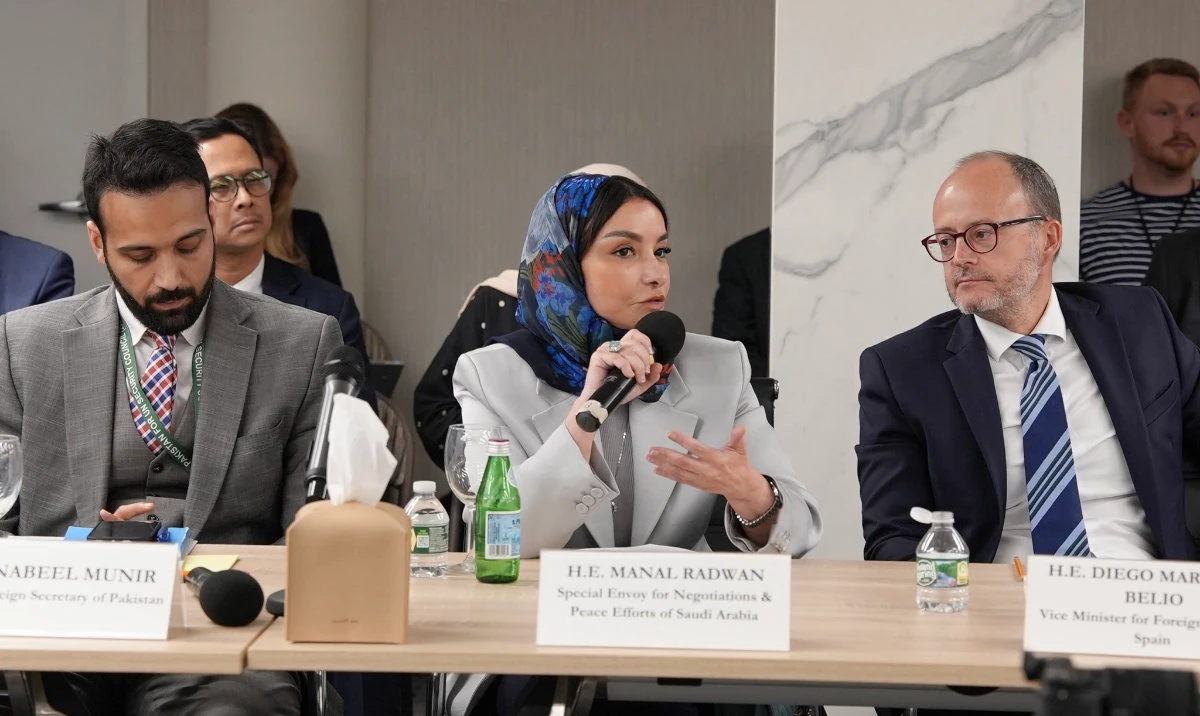
Higher Education Minister Khaled Al-Anqari has urged Saudi students to take advantage of a wide range of academic opportunities being offered by the Kingdom.
One of these is the King Abdullah Scholarship Program (KASP). The Kingdom will keep it running until 2020. The Kingdom spends SR9 billion in KASP each year, providing full financial support for Saudi students in undergraduate and postgraduate programs abroad. This began in 2005.
“For them to know the world and for the world to know them,” said Custodian of the Two Holy Mosques King Abdullah, when he highlighted the program’s goals in an address in 2005.
Since its launch, the program has grown to serve more than 130,000 students in 46 countries across the globe, over 20 percent of which are women.
“Saudi nationals studying under the program should value the government’s concern for them. They should do their best and reciprocate their country by coming up to the nation’s expectations,” an education expert said.
The scholarship’s main goals are to prepare Saudis to replace expatriate workers in jobs, thus reducing unemployment.
Also Saudi Arabia is going through a social and economic change and the graduates who hopefully on their return would contribute to create a more open society.
With education and cultural exposure, the scholars are expected to graduate and come back to the Kingdom with their experiences, dreams and aspirations, all the more hoping and pushing for change.
And they have come up to expectations. Mansour Abdulghafar graduated from the United Kingdom with a bachelor in business IT and a master’s degree in technology entrepreneurship after spending five years there.
He started applying for a job before finishing his studies. Upon his return, he spent a few months searching for a position.
“It took me a while to find a perfect job. I wanted to be part of something big, and contribute to societal change,” he said.
He consults mostly for the Ministry of Labor and Human Resources Development Fund (HRDF), helping them to reduce unemployment, create job opportunities and develop human capital to achieve sustainable employment for Saudi nationals.
“One of the problems with many scholarship graduates is that they come back after years of not knowing the Saudi job market and they get lost in the beginning. In my opinion, that’s why some of them spend so much time looking for a job and not because they are picky or under-qualified,” he said.
He also said that some students miss the application deadline, which is usually around July/August.
“I believe it’s a matter of poor job matching here rather than unqualified applicants, as many might think,” he added.
He also believes that scholarships are vital to the country’s development.
“Saudi Arabia has a diverse workforce, since scholarships students are exposed to different cultures around the world. A student spends four years abroad and is exposed to different mindsets and cultures. Of course, this exposure will contribute to the country’s social change, and for the better,” he said.
Scholarship schemes widen prospects for talented youngsters