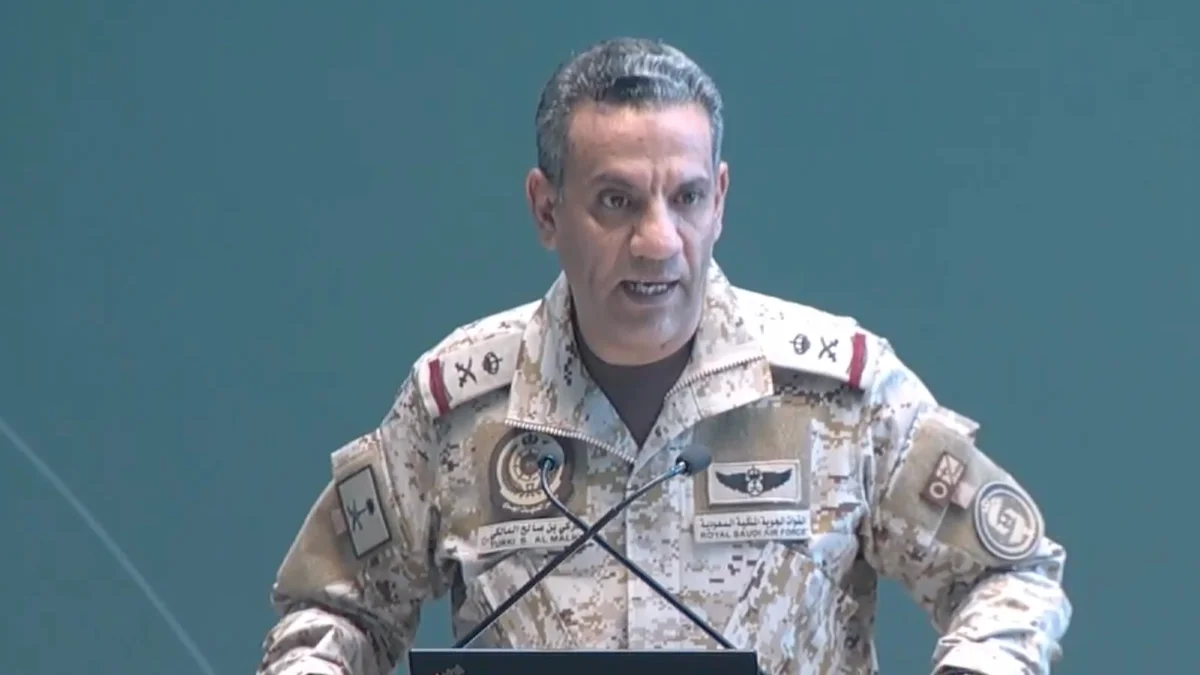
DAMMAM: Technical and vocational training in the Kingdom is witnessing a qualitative shift at present with an increase in the admission rates to technical colleges. The total number of trainees is expected to reach 120,000 in the coming period, said Rashid bin Mohammed Al-Zahrani, deputy director of the Technical and Vocational Training Corporation (TVTC).
Al-Zahrani said: “TVTC has completed all preparations required to raise the capacity of the training units and increase the level of outputs among technical colleges. This will provide Saudi students with the ability to get jobs or start their own projects,” confirming that the current phase is one of the most dynamic stages in the history of the corporation.
At the beginning of next year, the electronic self-training project will be implemented through a number of training packages that come within the technical disciplines, allowing the trainee to accelerate their training period to get them ready for graduation sooner, the official said.
He stressed that the training process is based on the employment of qualified training staff, the provision of technical equipment, the development of training plans for various disciplines, and the provision of supportive services, noting that the TVTC includes about 10,000 male and female trainers specialized in technical and vocational fields.
Al-Zahrani said: “More than 96 percent of TVTC’s graduates got jobs, completed their post-graduate studies, or engaged in self-employment through launching their own business, while about four percent of them are still seeking jobs,” confirming that the graduates of technical colleges and institutes are the quickest graduates to join the labor market upon graduation.
Moreover, he said that this success comes out of the fact that the TVTC’s outputs are increasingly in demand throughout the labor market, adding that this is demonstrated by the statistics of the career coordination offices at the training units.
Regarding the Kingdom’s Vision 2030, Al-Zahrani said: “TVTC has launched a range of development initiatives aimed at keeping up with the Kingdom’s vision to achieve a booming economy, a dynamic society, and an ambitious nation,” confirming that the corporation worked hard with the relevant government entities during the preparation for the Transitional National Program.
“TVTC’s initiatives serve the training sector, helping and supporting the young people to achieve the goals of Vision 2030,” the official said.
TVTC’s most prominent future initiatives include the development of strategic partnerships with the private sector in the field of technical training to reach about 35 partnerships in 2020, in addition to the expansion of training modules facilities to attract more high school graduates, which is expected to total 12.5 percent of the graduates. This comes in addition to the promotion of the training programs offered by the corporation through flexible programs.
In line with the aspirations of the Kingdom in the next years, TVTC has worked to develop its strategic plan for the coming years in line with the requirements of achieving the vision, and has begun implementing the executive program of the plan, along with a number of initiatives that will be launched early next year.
Al-Zahrani said: “TVTC has completed all preparations required to raise the capacity of the training units and increase the level of outputs among technical colleges. This will provide Saudi students with the ability to get jobs or start their own projects,” confirming that the current phase is one of the most dynamic stages in the history of the corporation.
At the beginning of next year, the electronic self-training project will be implemented through a number of training packages that come within the technical disciplines, allowing the trainee to accelerate their training period to get them ready for graduation sooner, the official said.
He stressed that the training process is based on the employment of qualified training staff, the provision of technical equipment, the development of training plans for various disciplines, and the provision of supportive services, noting that the TVTC includes about 10,000 male and female trainers specialized in technical and vocational fields.
Al-Zahrani said: “More than 96 percent of TVTC’s graduates got jobs, completed their post-graduate studies, or engaged in self-employment through launching their own business, while about four percent of them are still seeking jobs,” confirming that the graduates of technical colleges and institutes are the quickest graduates to join the labor market upon graduation.
Moreover, he said that this success comes out of the fact that the TVTC’s outputs are increasingly in demand throughout the labor market, adding that this is demonstrated by the statistics of the career coordination offices at the training units.
Regarding the Kingdom’s Vision 2030, Al-Zahrani said: “TVTC has launched a range of development initiatives aimed at keeping up with the Kingdom’s vision to achieve a booming economy, a dynamic society, and an ambitious nation,” confirming that the corporation worked hard with the relevant government entities during the preparation for the Transitional National Program.
“TVTC’s initiatives serve the training sector, helping and supporting the young people to achieve the goals of Vision 2030,” the official said.
TVTC’s most prominent future initiatives include the development of strategic partnerships with the private sector in the field of technical training to reach about 35 partnerships in 2020, in addition to the expansion of training modules facilities to attract more high school graduates, which is expected to total 12.5 percent of the graduates. This comes in addition to the promotion of the training programs offered by the corporation through flexible programs.
In line with the aspirations of the Kingdom in the next years, TVTC has worked to develop its strategic plan for the coming years in line with the requirements of achieving the vision, and has begun implementing the executive program of the plan, along with a number of initiatives that will be launched early next year.