International Women's Day is more than a moment marked on a calendar. It is a day not just to renew our determination to make the world a more peaceful and prosperous place — but to recognize that a world where opportunities for women grow, is a world where the possibilities for peace, prosperity and stability grow even more.
I see it every single day as Secretary of State. Even as the Assad regime's barrel-bombing of Aleppo continues, showing the world a brutal regime's true colors, with every act of courage and perseverance, Syria’s women show the world their true colors as well. We heard from some of these remarkable women in Montreux just last month.
Their stories spoke of the bravery of countless other Syrian women. One woman from Idlib worked with the Free Syrian Army to ensure that the people of her village could remain in their homes and till their own land. Another woman from Aleppo got restrictions on humanitarian access lifted by offering food to regime soldiers at the checkpoints. If that isn’t courage under fire, I don’t know what is.
It's not just in Syria that women offer us hope for resolution of conflict. Women are vital to our shared goals of prosperity, stability and peace. That’s as true when it comes to ending our battles as it is jumpstarting our economies. The fact is that women bear the greatest burden in war. But their voices are too rarely heard in negotiating peace.
That has to change.
Countries that value and empower women to participate fully in decision-making are more stable, prosperous and secure. The opposite is also true. When women are excluded from negotiations, the peace that follows is more tenuous. Trust is eroded and human rights and accountability are often ignored.
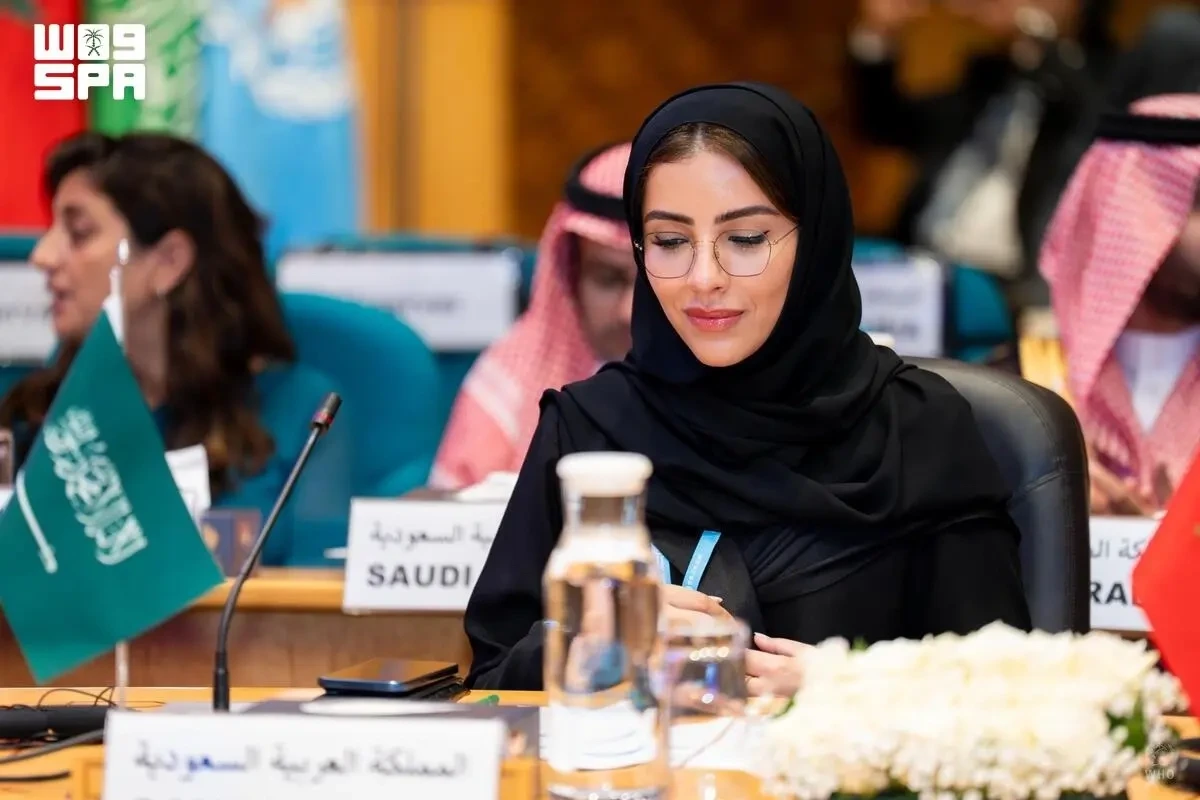
That’s why the State Department is pleased to see women breaking new ground in Saudi Arabia by addressing vital social needs. One of the ways we celebrate Women’s History Month is through the International Women of Courage Awards, recognizing women from around the world who have shown exceptional courage and leadership.
Dr. Maha Abdullah Al-Muneef is one of those leaders, and we honored her this year. She isn’t just the executive director of the National Family Safety Program. She’s a formidable force for women’s rights and empowerment. Dr. Al-Muneef and her colleagues have worked tirelessly to increase awareness and change laws for handling victims of abuse, including the landmark legislation to criminalize domestic violence and abuse. As the international community strives to eliminate gender-based violence around the world, we all draw inspiration from Dr. Al Muneef’s courage and determination.
The United States is also leading by example. My sister has worked for many years at the United Nations, following in the State Department footsteps of our father many years before I did myself. She's a trailblazer. But she's not alone. It’s no coincidence that some of our top diplomats and peace negotiators are women — from National Security Adviser Susan Rice, to US Ambassador to the United Nations Samantha Power, to Deputy Secretary of State Heather Higginbottom, to Undersecretary of State for Political Affairs Wendy Sherman. Today, all but one of the State Department's Regional Assistant Secretaries are women.
We celebrate their accomplishments not just because they are women, but because their work around the world will make all people — men and women, boys and girls — more secure.
Peace is not the absence of conflict. It is the presence of every member of society working together to promote stability and prosperity.
No country can succeed unless every citizen is empowered to contribute to its future. And no peace can endure if women are not afforded a central role. So today, we mark the miles women have traveled around the world — but more importantly, we commit to the next miles of the journey.
• John Kerry is United States’ Secretary of State.
Arab News