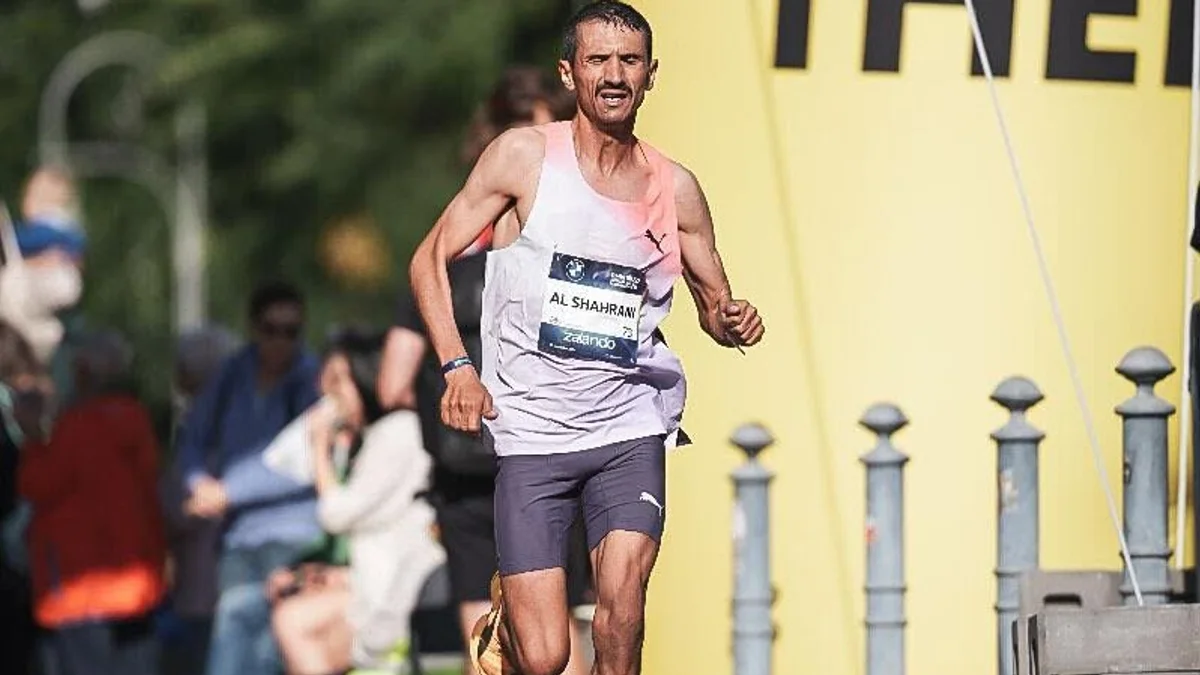
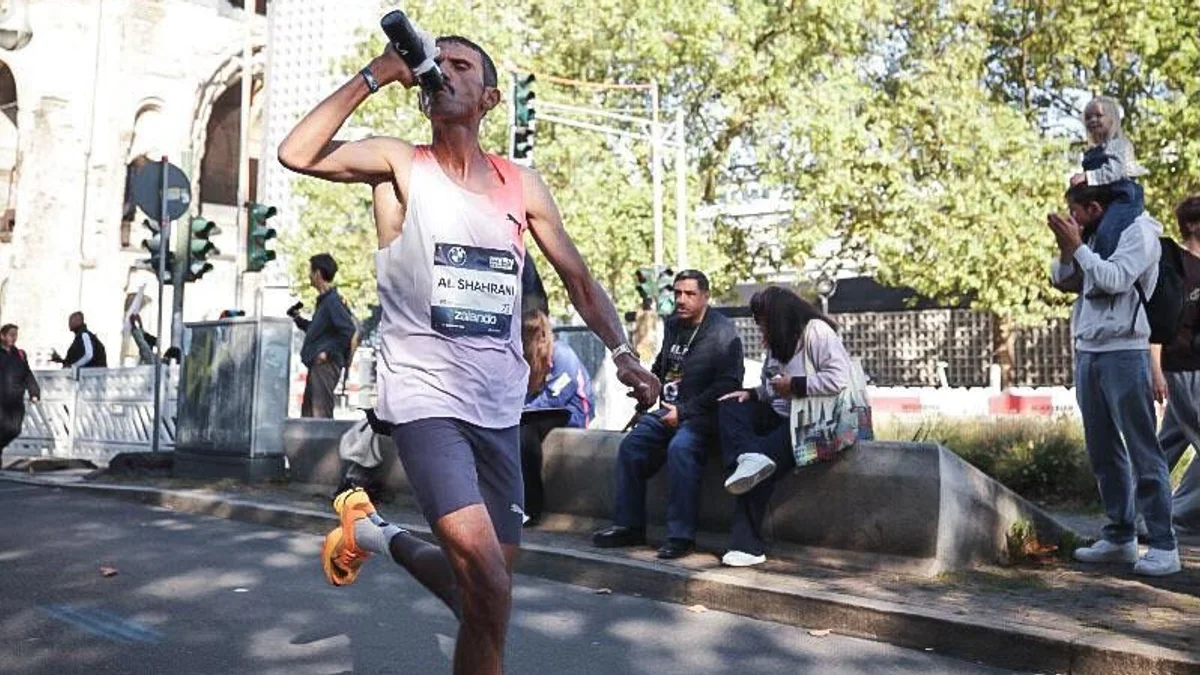
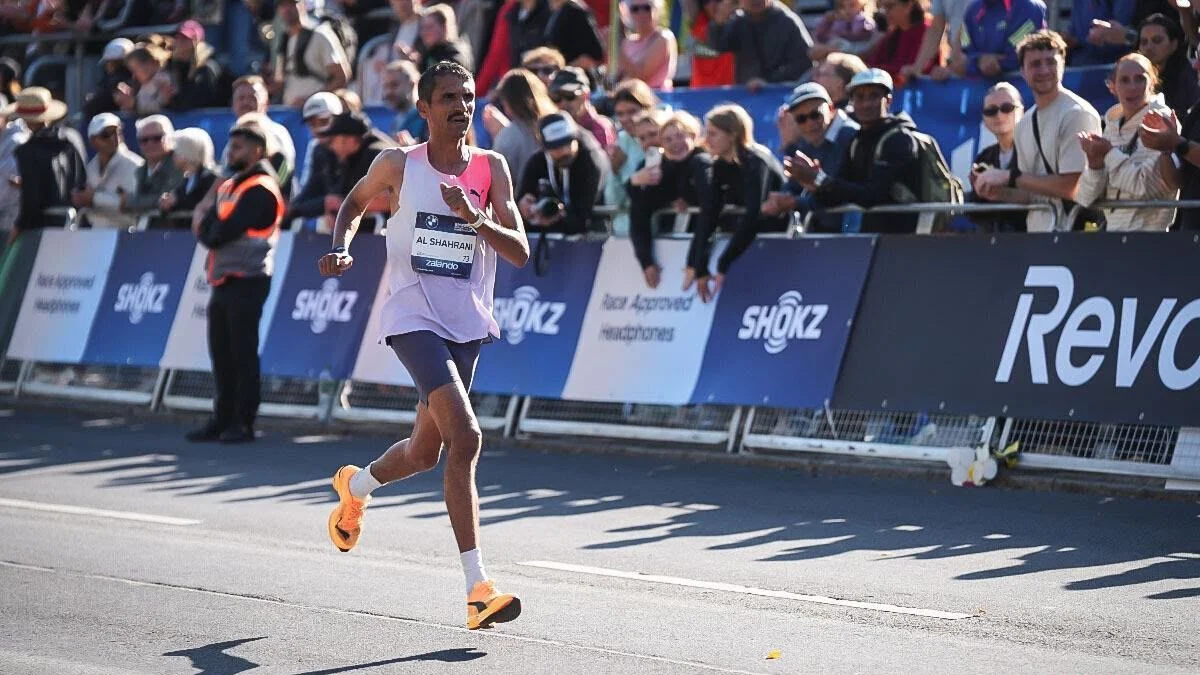
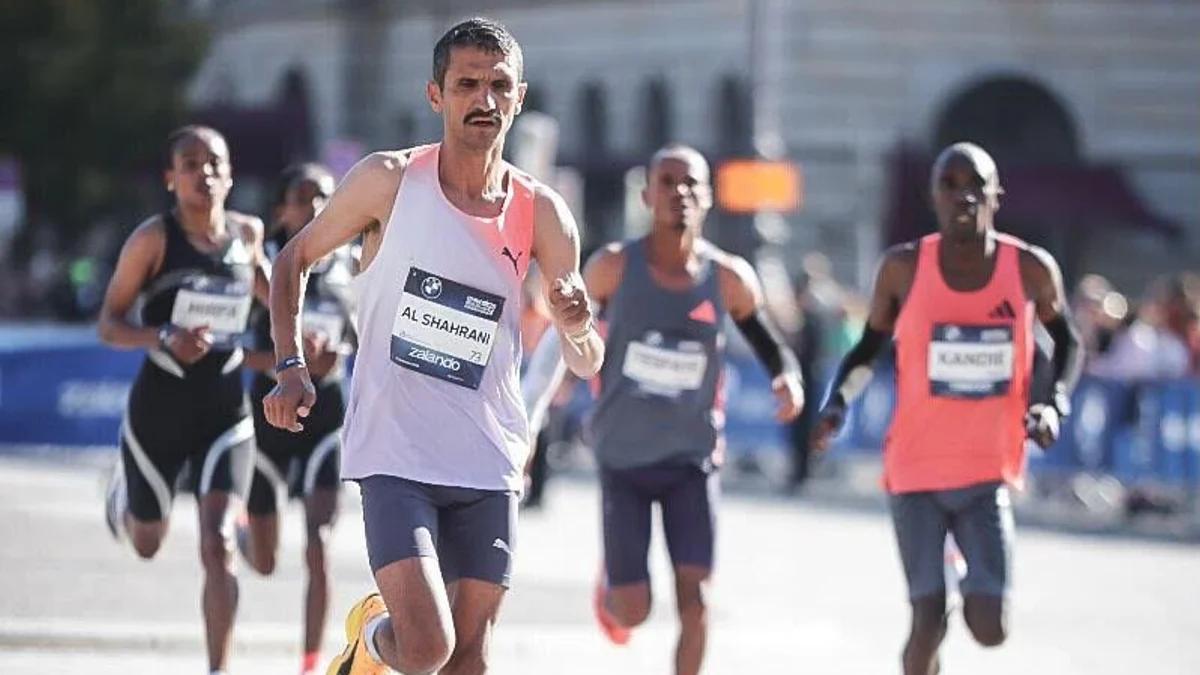
- The Saudi national team runner said he hopes his journey inspires a new generation of Saudi distance runners
- The 43-year-old believes there is still time to close the gap to Olympic qualification
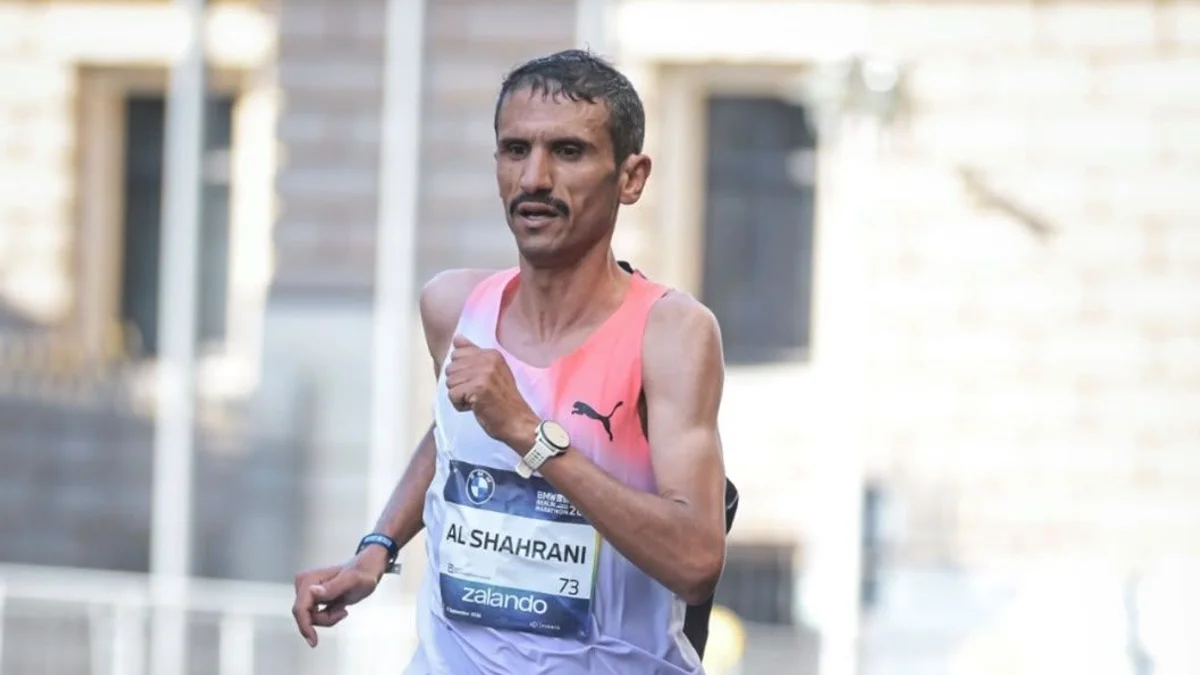
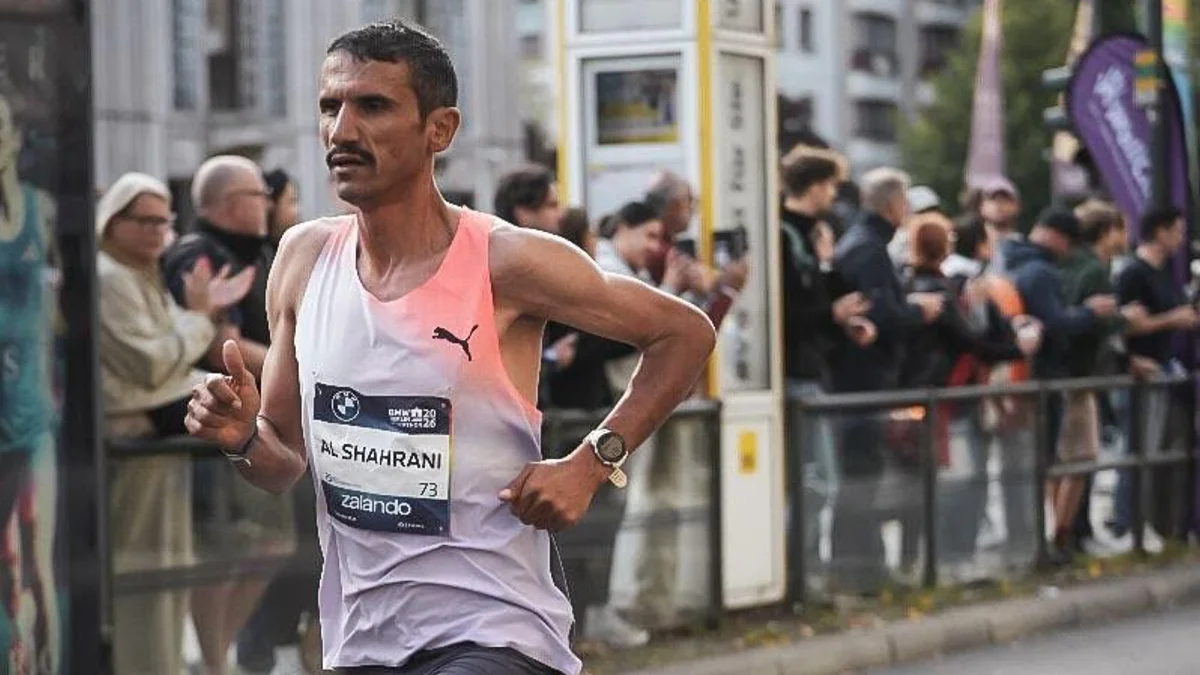
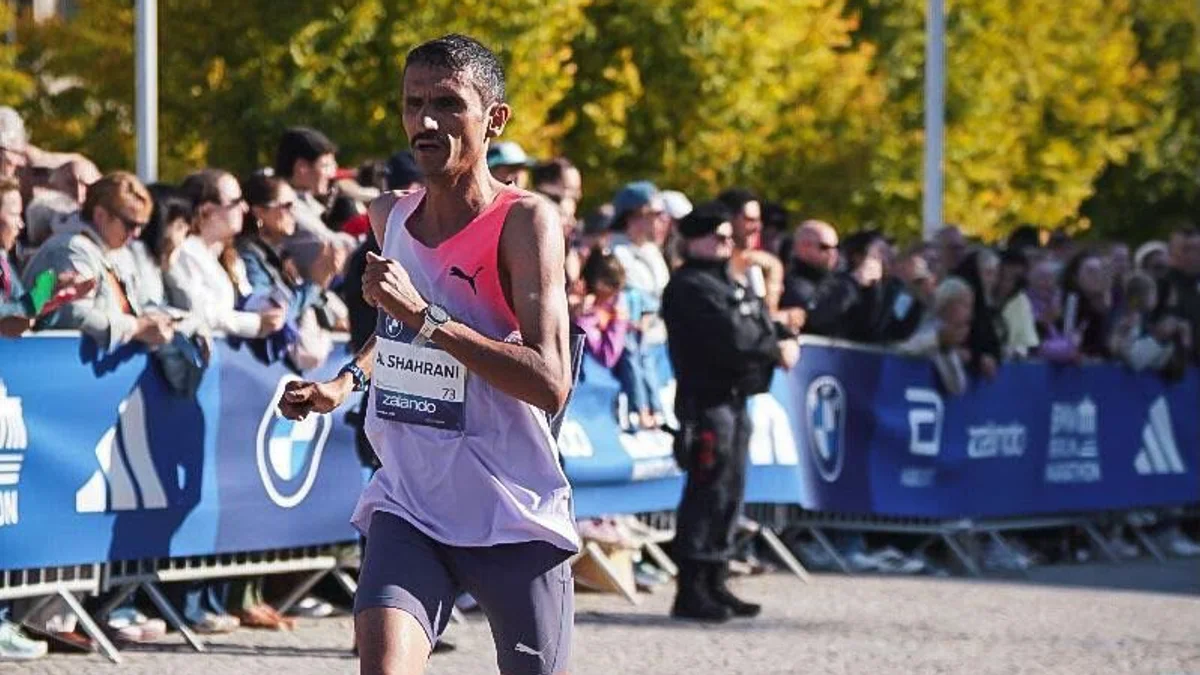
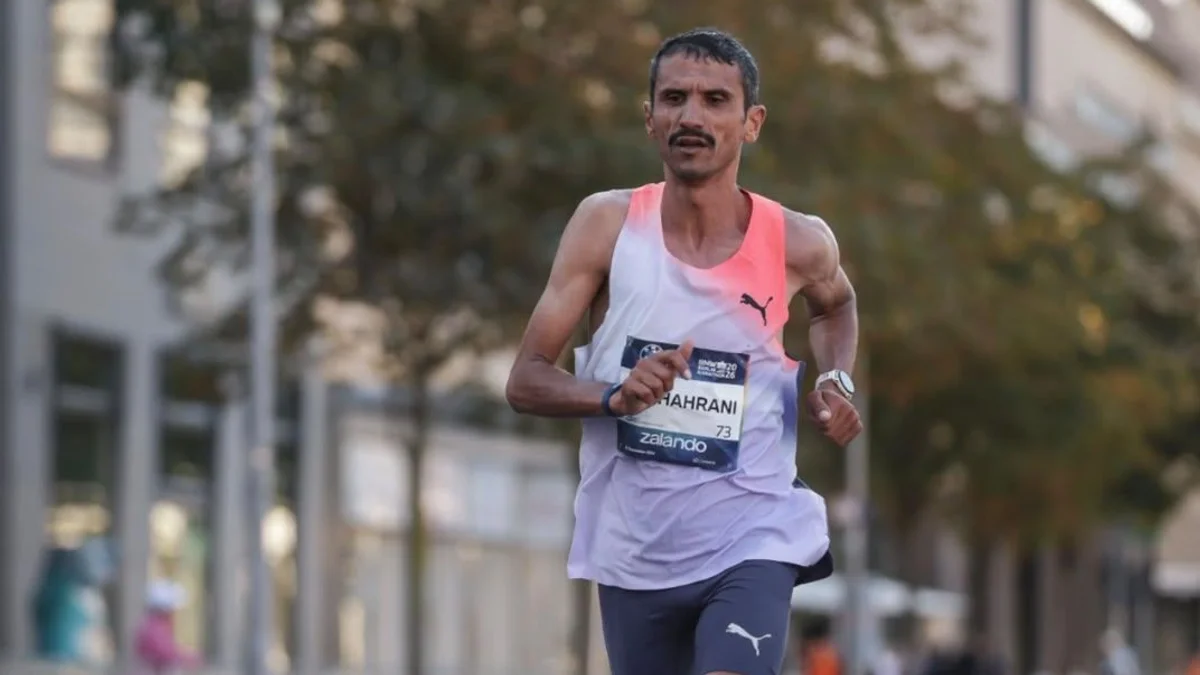
ALKHOBAR: Two hours, 16 minutes and 58 seconds. After first setting the Saudi national marathon record at the 2025 Valencia Marathon, Al-Hilal Athletics Club and Saudi national team athlete Ali Al-Shahrani took 10 seconds off his own time at the 2026 Berlin Marathon to set a new mark.
Now, the athlete has his sights set on greater heights: the Los Angeles Olympics. But how did Al-Shahrani reach this point in his career, and how does he plan to keep cutting his time to reach the Olympic qualifying standard?
“Over my 20 years as a runner, I feel that I only truly experienced the benefits of structured training during the past three years in Kenya,” Al-Shahrani told Arab News.
“My experience in Kenya has shown me the value of structured group training, discipline and an environment where running is part of everyday life,” he said.
Al-Shahrani explained that he travels abroad to train and prepare for competitions because of the lack of established group training programs for marathon runners in Saudi Arabia, and that it has come at a personal cost.
“My journey as an elite athlete has required a great deal of personal commitment, both physically and financially, which I took care of on my own mostly,” he said.
Even so, he sees progress at home.
“I believe that creating similar conditions in Saudi Arabia would help our athletes develop and compete at a higher level,” he said. “At the same time, the Saudi Athletics Federation is currently working to activate and develop sporting activities across all regions of the Kingdom, and I believe they are doing excellent work in this regard.”
The Saudi record holder recalled his first marathon, when he struggled through the final 10 km because his shoes caused blisters and injuries. He said the right equipment has since made a difference.
“Having competed in five marathons, I saw a difference after switching to PUMA gear, particularly the FAST-R NITRO Elite 3,” he said.
While Al-Shahrani continues to break records for Saudi Arabia, marathon running does not yet have the same culture in the Kingdom as it does elsewhere, but for him, the appeal has always been the races themselves.
“What first drew me to running was the spirit of competition, particularly the unique feeling of competing in marathons around the world,” he said. “Every race is an opportunity to challenge myself, push beyond my limits and see how far I can go.”
Al-Shahrani is also optimistic that Saudi sport as a whole is on the rise.
“I believe the coming years will see Saudi champions emerge across a wide range of sporting disciplines,” he said. “The work being carried out by the Ministry of Sport is ongoing, and I believe these continued efforts will help strengthen the sporting landscape and create opportunities for athletes to develop their abilities.”
The question is whether he can get fast enough in time for LA. Even at 43, Al-Shahrani is not ready to rule it out.
“I believe there is still time to continue improving my performance and closing the gap toward Olympic qualification,” he said. “Beyond qualifying, I hope to one day win an Olympic medal and achieve something historic for my country.”
“This is what continues to motivate me to push myself and keep working toward my goals. I hope my journey can also inspire young Saudi runners to pursue their ambitions and believe in what they can achieve through dedication and hard work.”