Fragrance is deeply rooted in Arab culture, from personal scents to home rituals. Here are six key traditions that keep it alive.
Oud boom
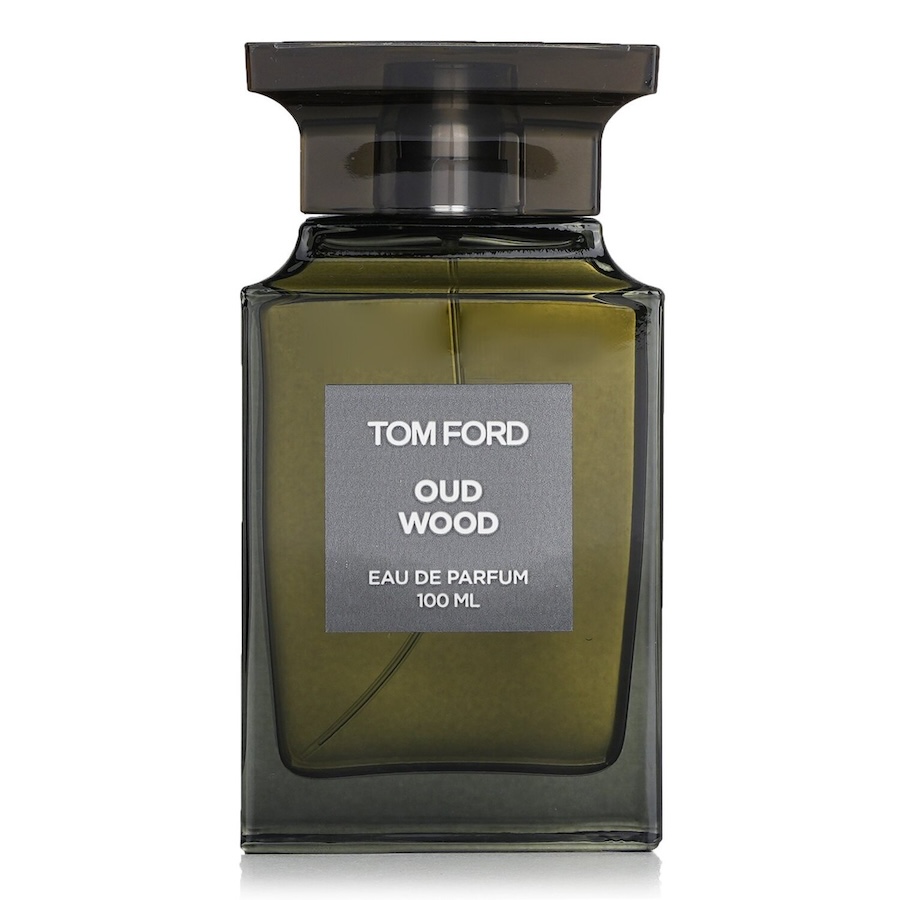 Oud is a prized fragrance in the Arab world, used in perfumes and pure oil form. Once niche in Western markets, it is now a staple in luxury perfume houses like Tom Ford, Dior and Maison Francis Kurkdjian.
Fragrance oils
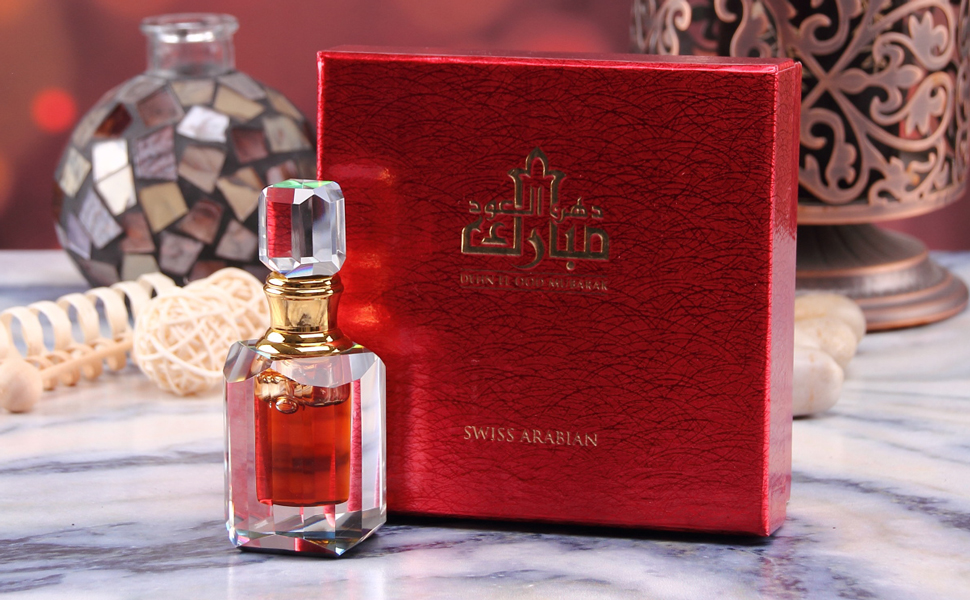 Arabs apply fragrance oils like white musk and Dehn Al-Oud directly to the skin on pulse points, allowing the scent to absorb and last throughout the day.
Bakhoor rituals
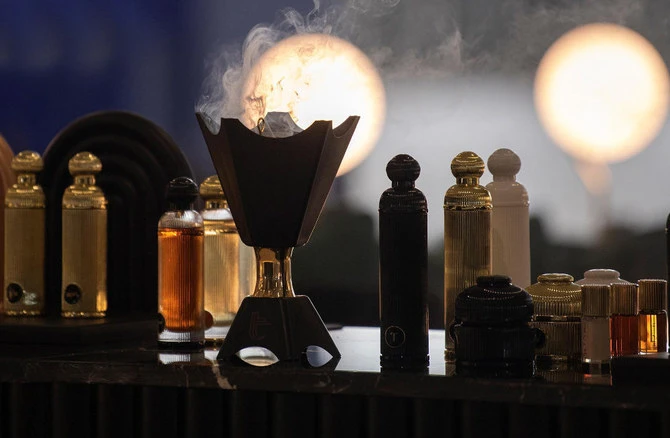
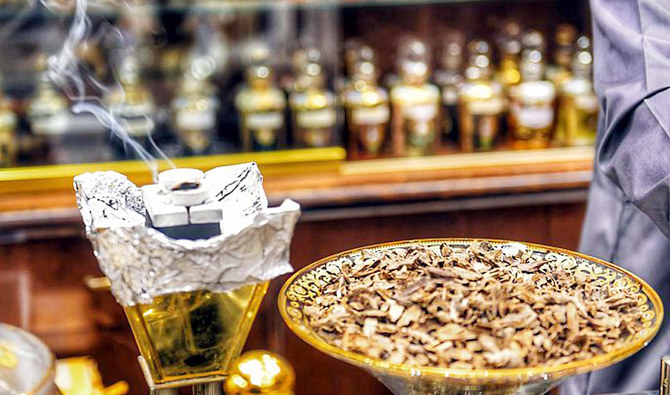 Bakhoor is burned to scent clothes, hair and skin, leaving a warm, rich aroma that lingers even after the perfume fades.
Scented generosity
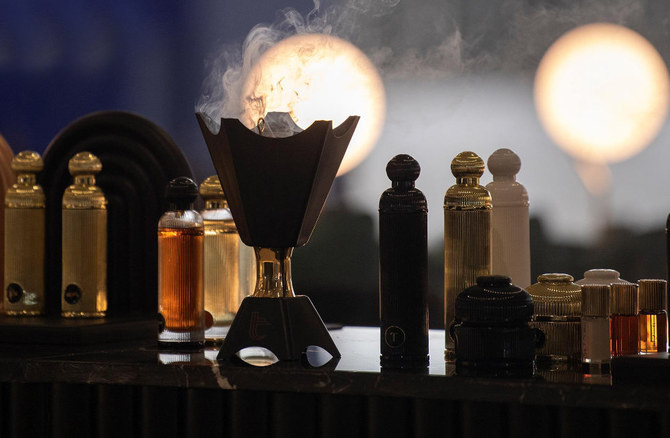 While bakhoor is a daily ritual for many, it also plays a role in special events, where guests pass the incense burner and scent themselves during celebrations like weddings and pre-wedding gatherings.
Custom blends
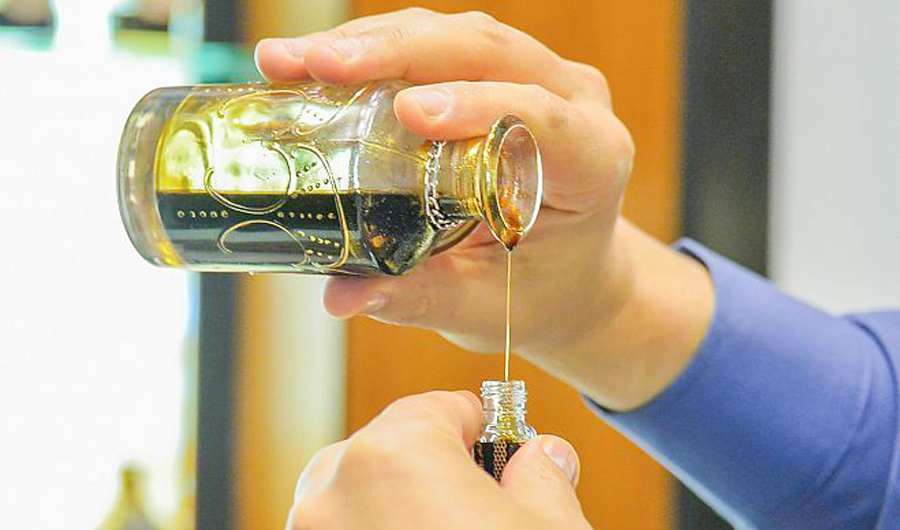 Many Arabs create personalized scent blends by mixing oils and perfumes. In Saudi Arabia, this can be done at Abdul Samad Al Qurashi and Arabian Oud.
Home fragrance
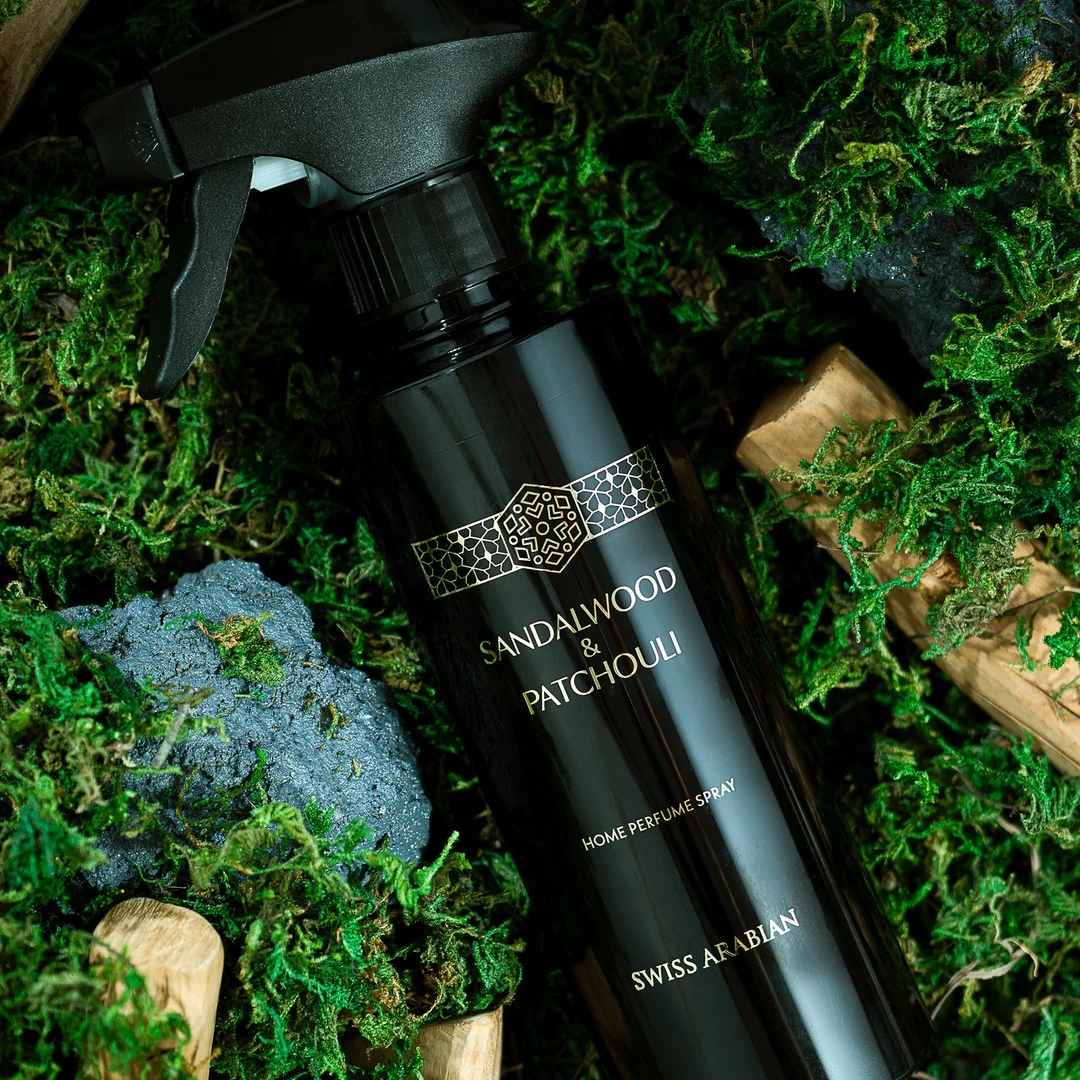 For many Arabs, perfuming the home is just as important as personal fragrance. Whether using bakhoor or oud-based sprays, scented spaces create a welcoming atmosphere for both residents and guests.